


The Knotted Pearl: A Swing of Rebellion
Forget polite and proper. In the Jazz Age, pearls were made to swing.
26.08.25 | Jill Warrick ©Pinterest
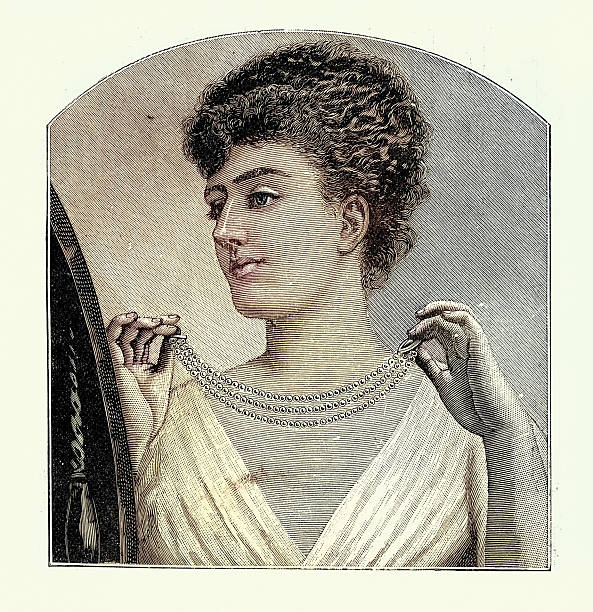
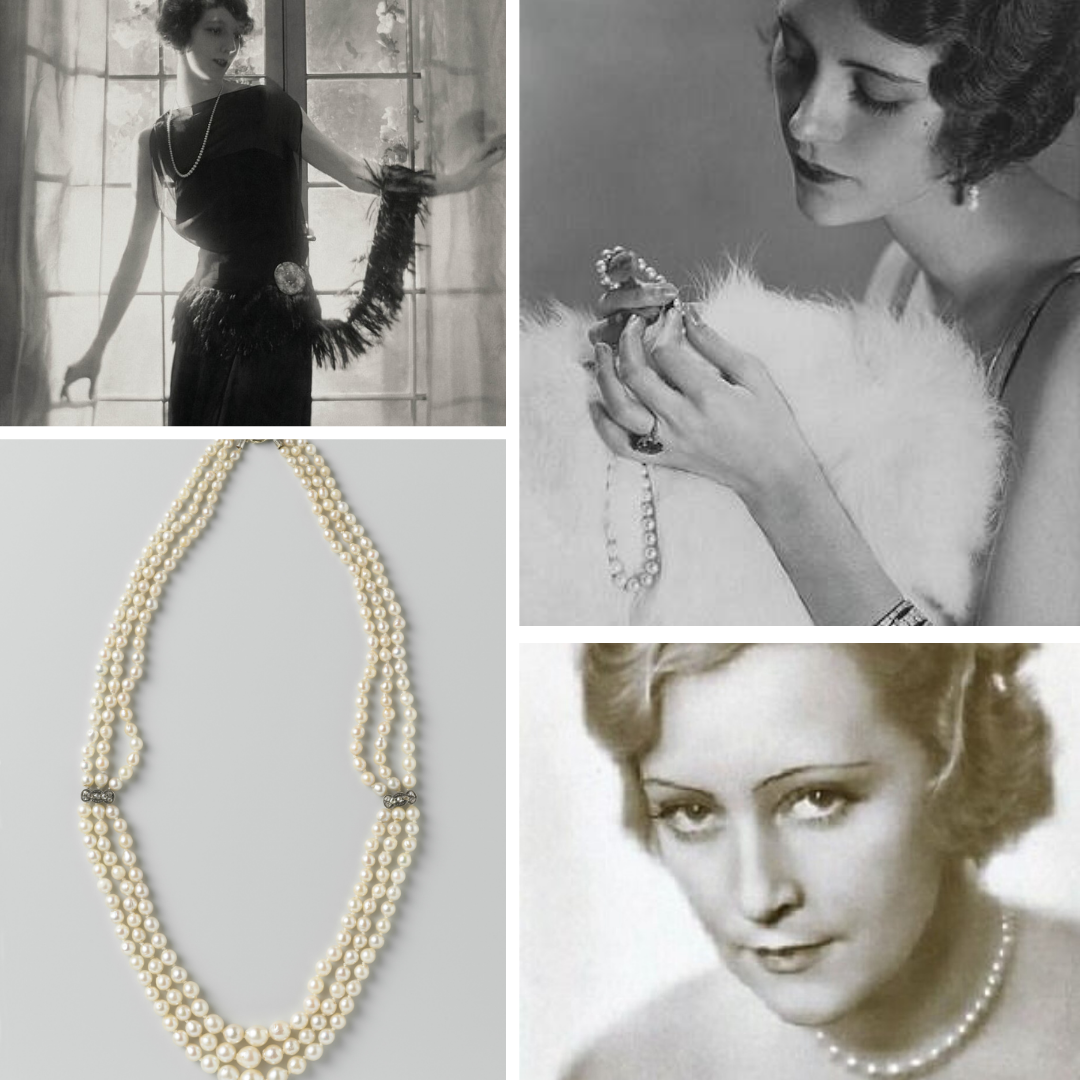
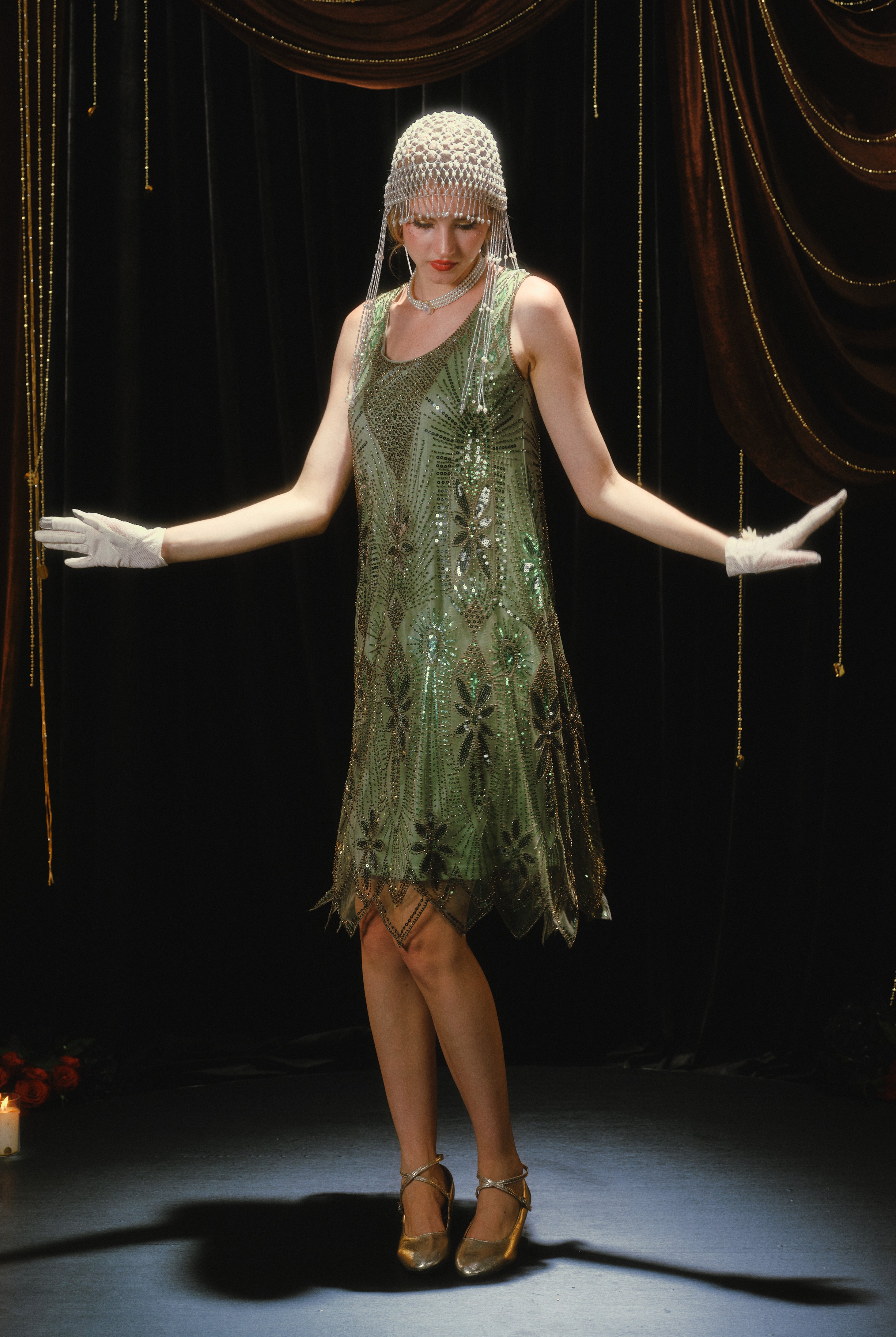
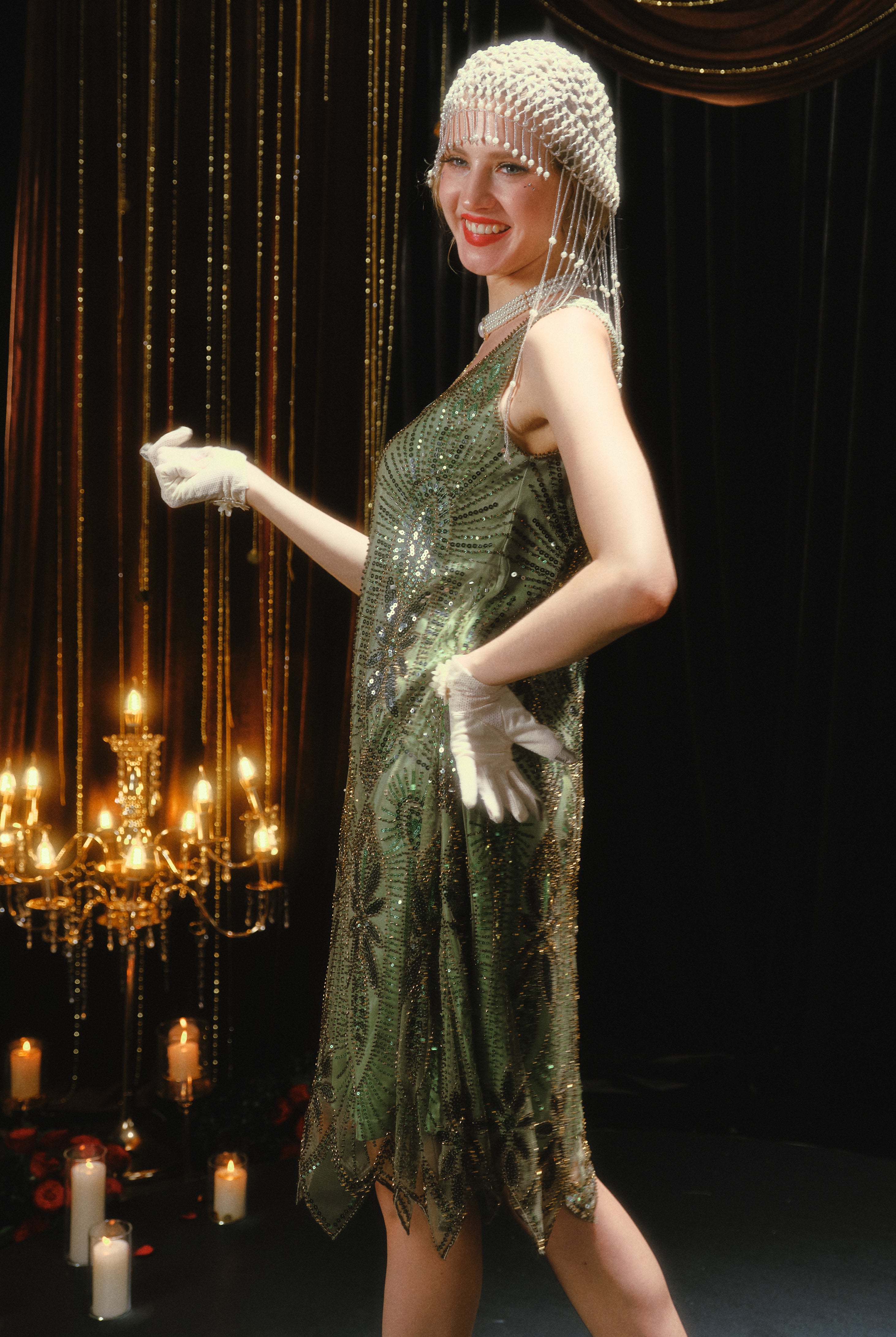
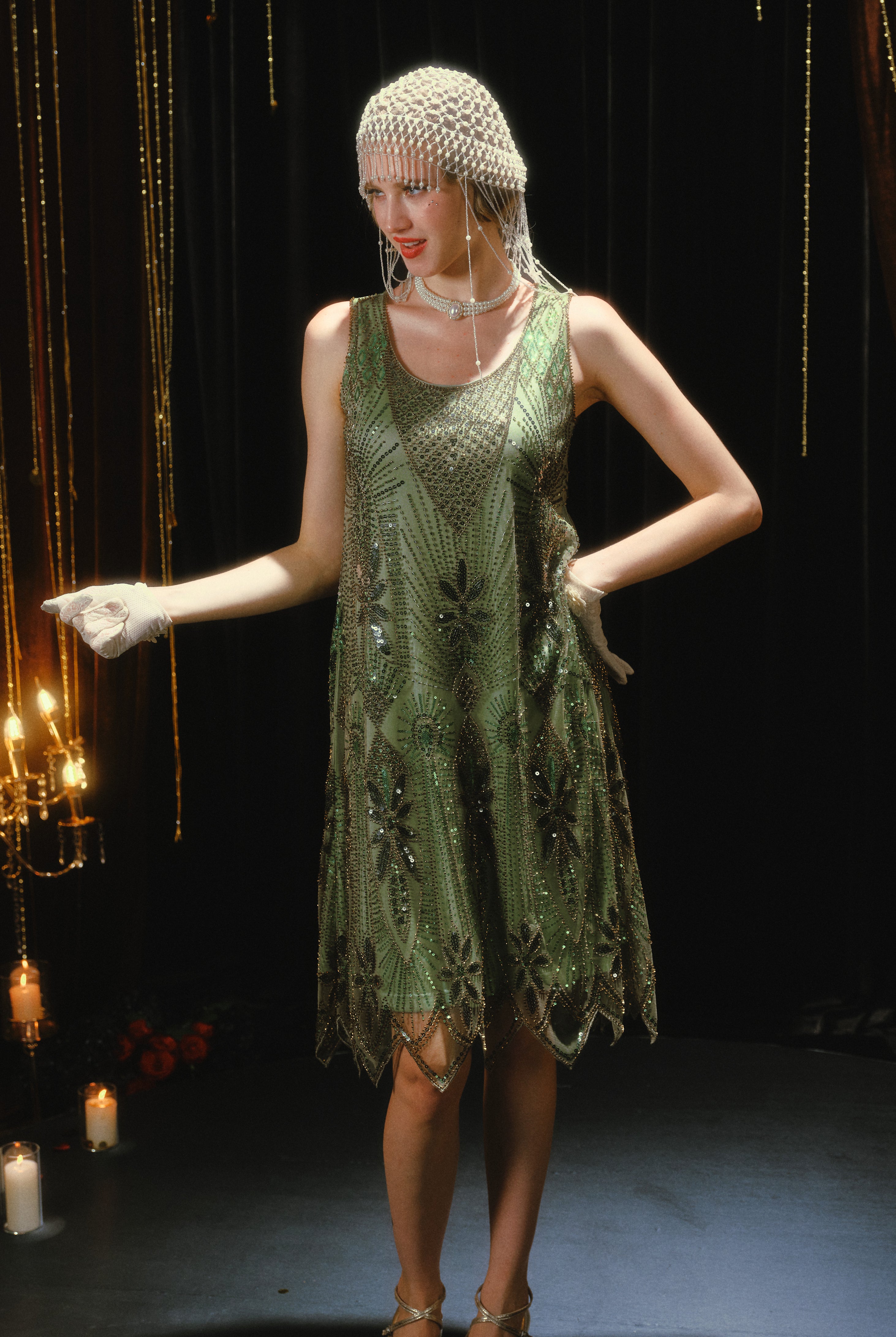
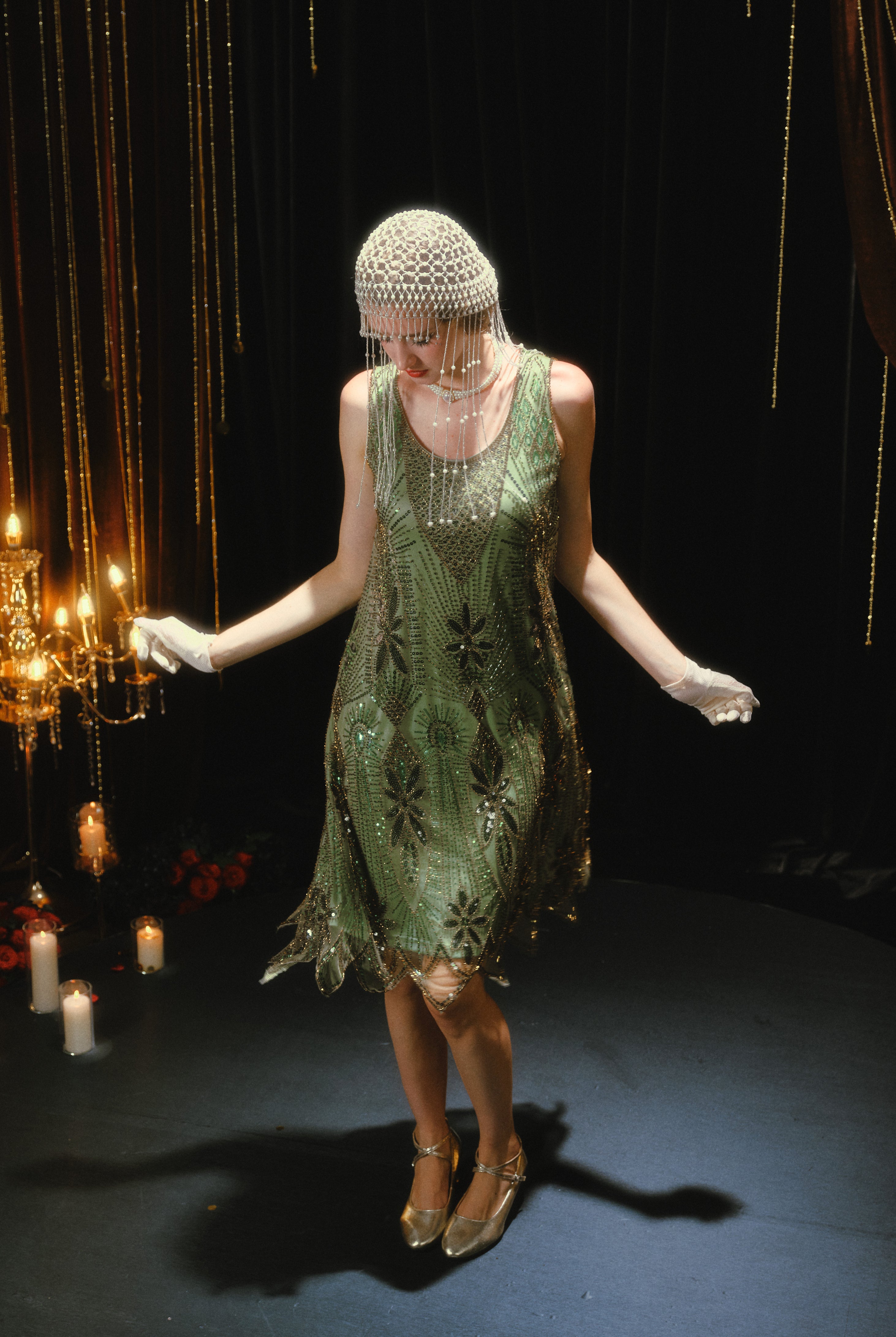
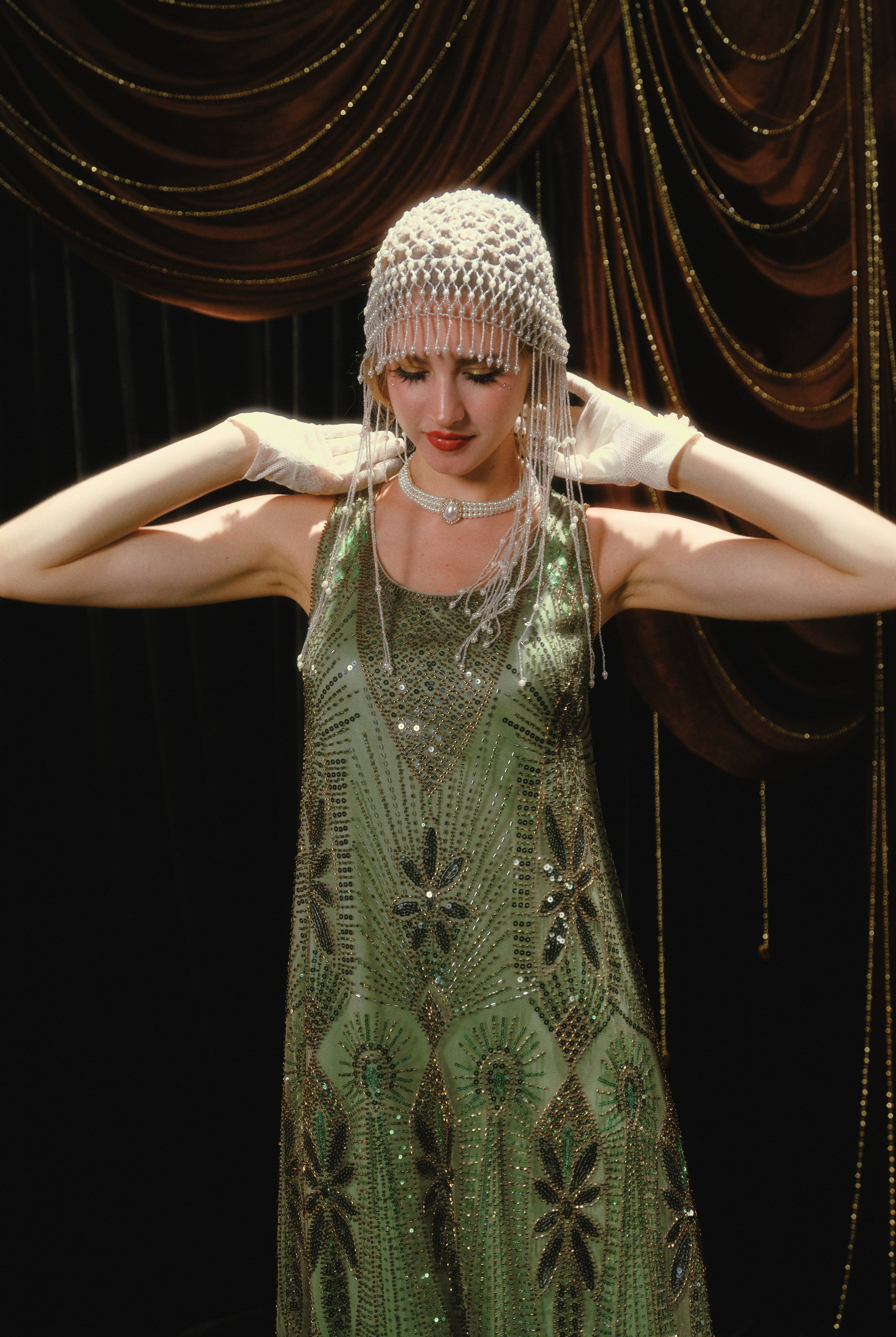
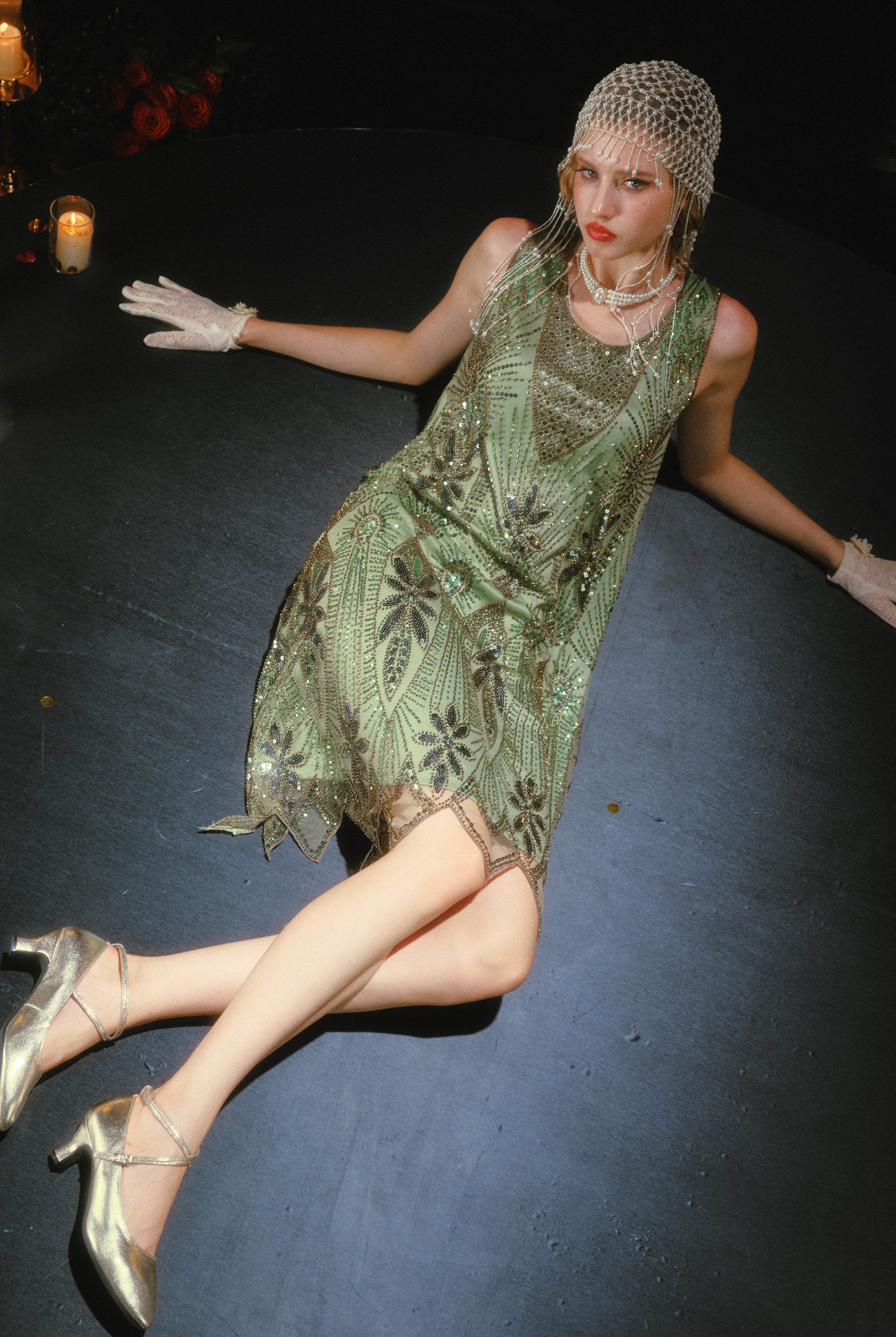
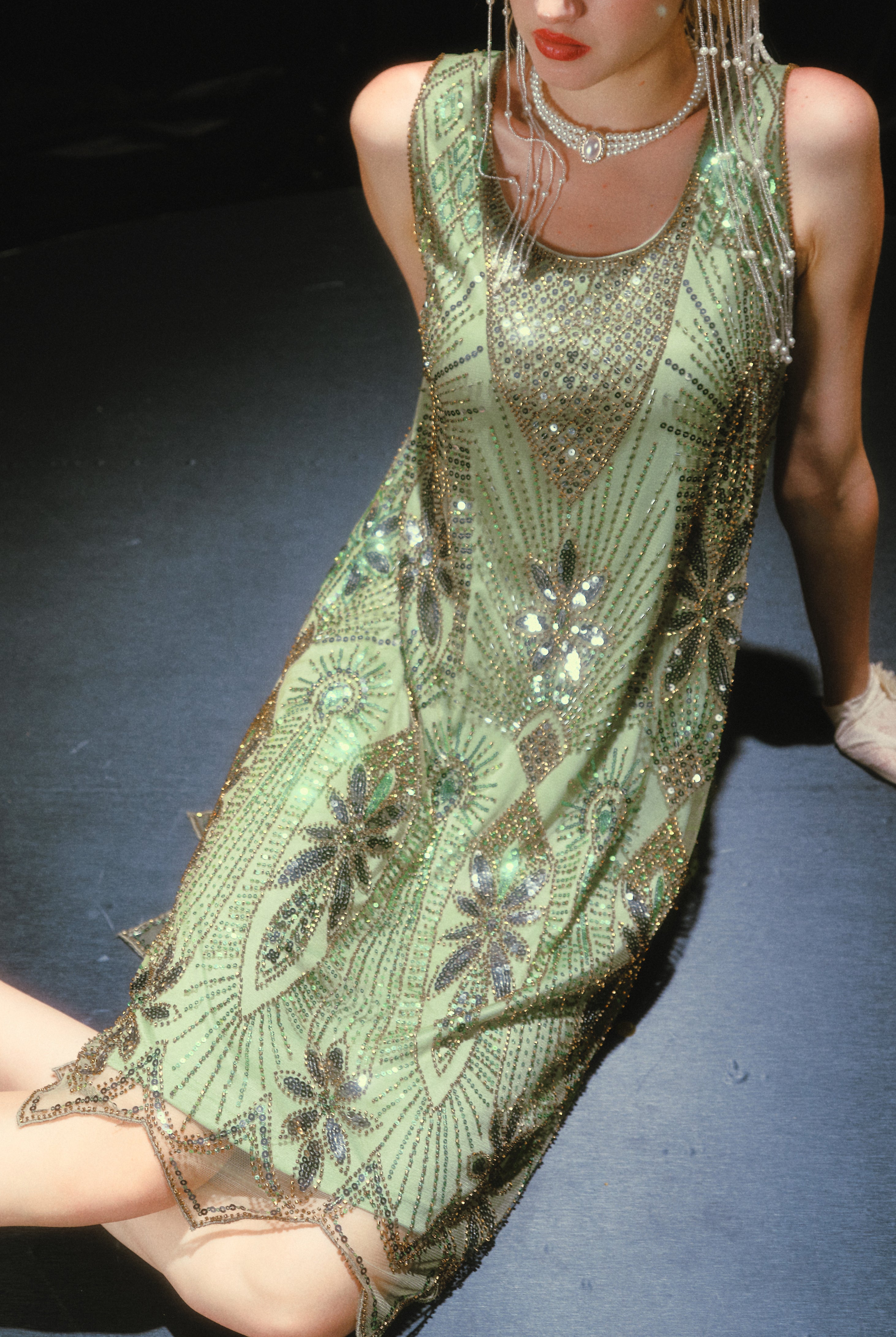
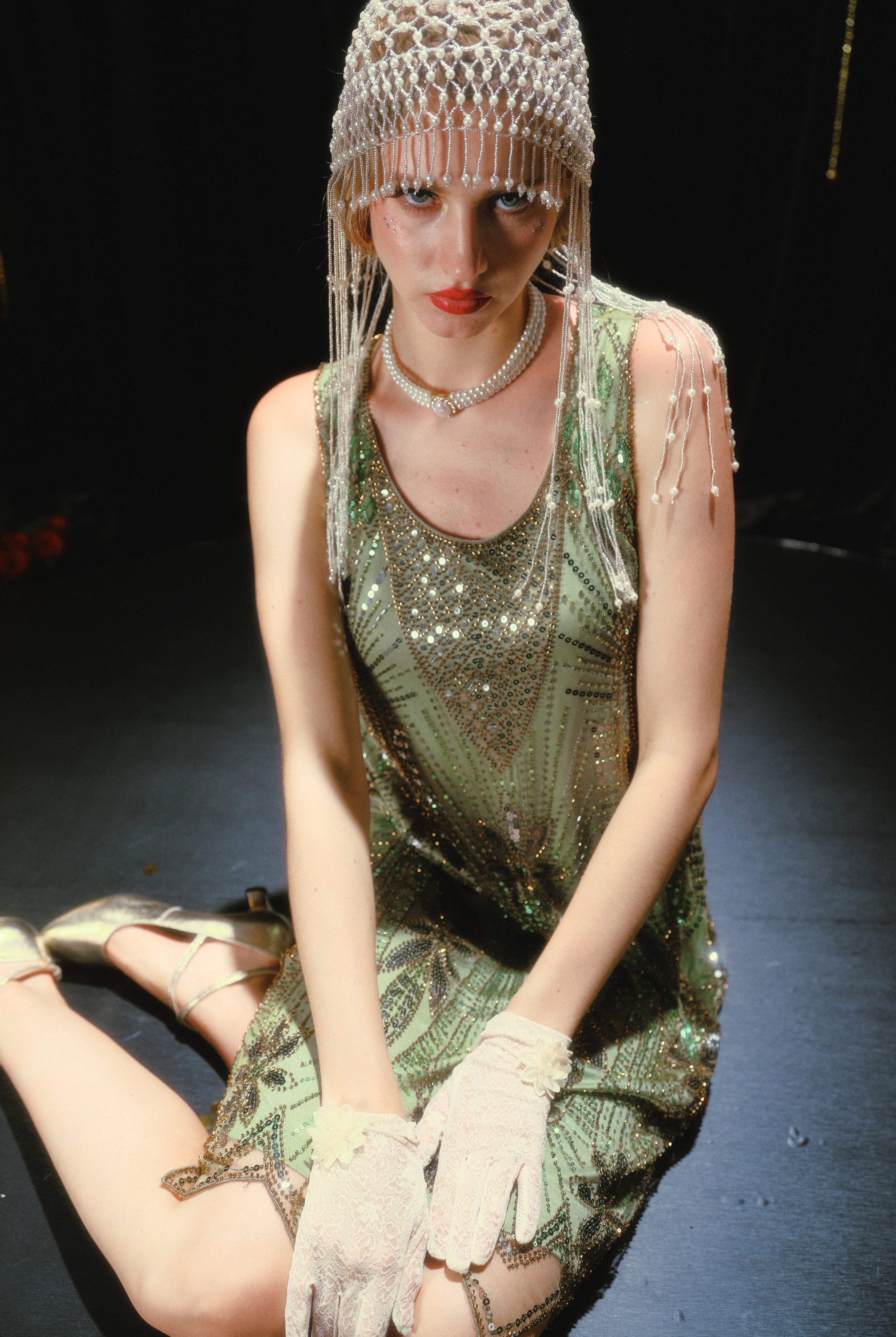
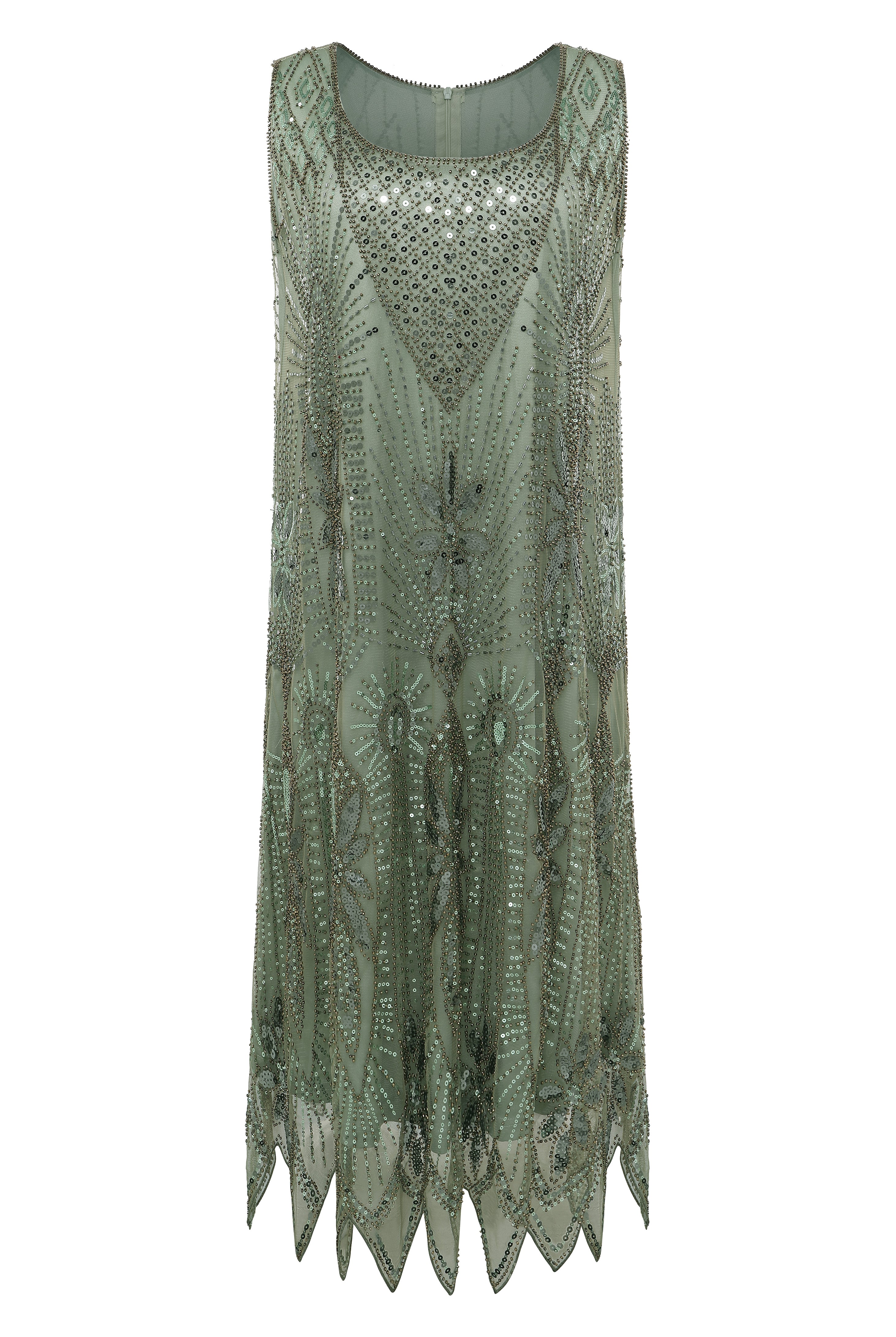
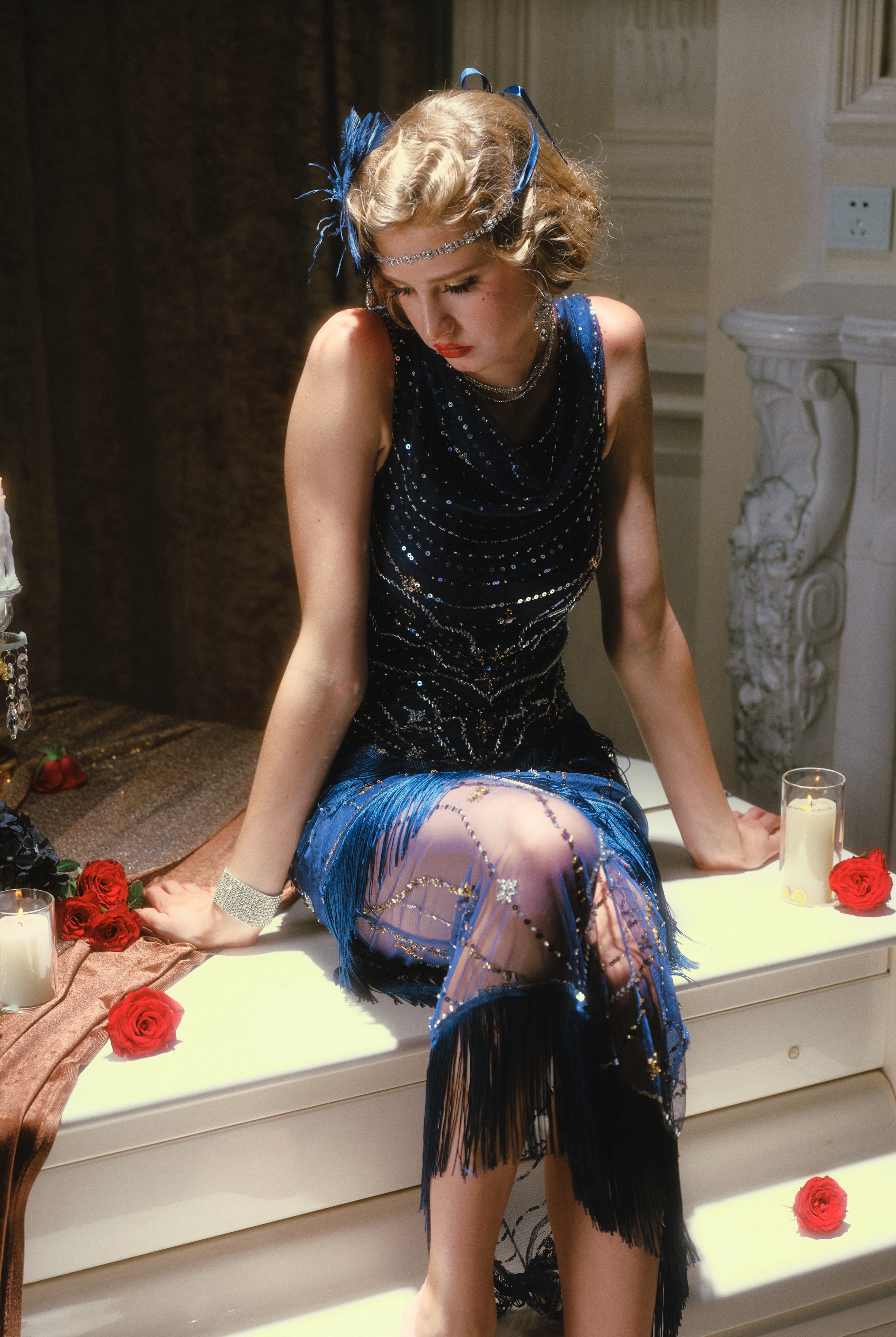
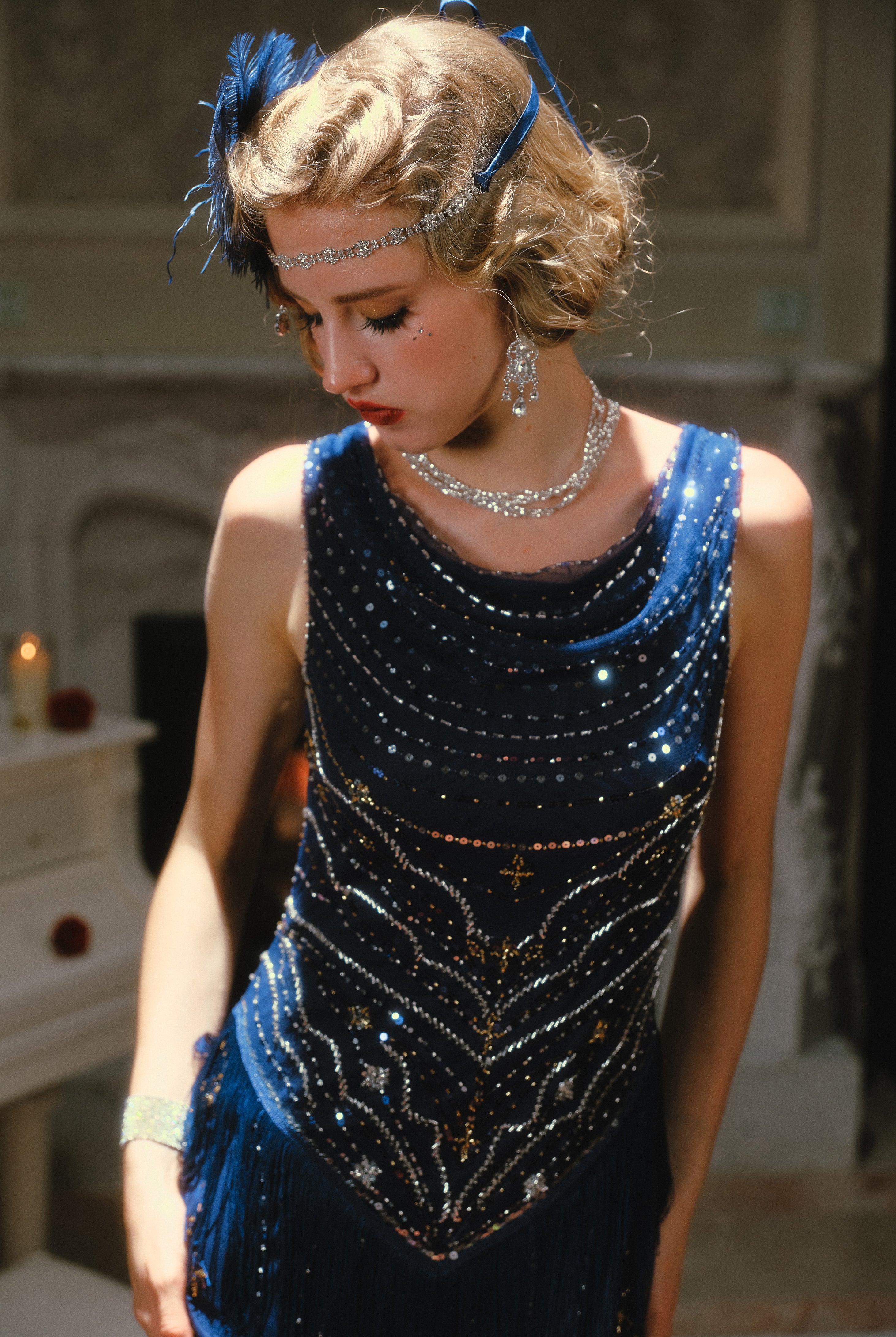
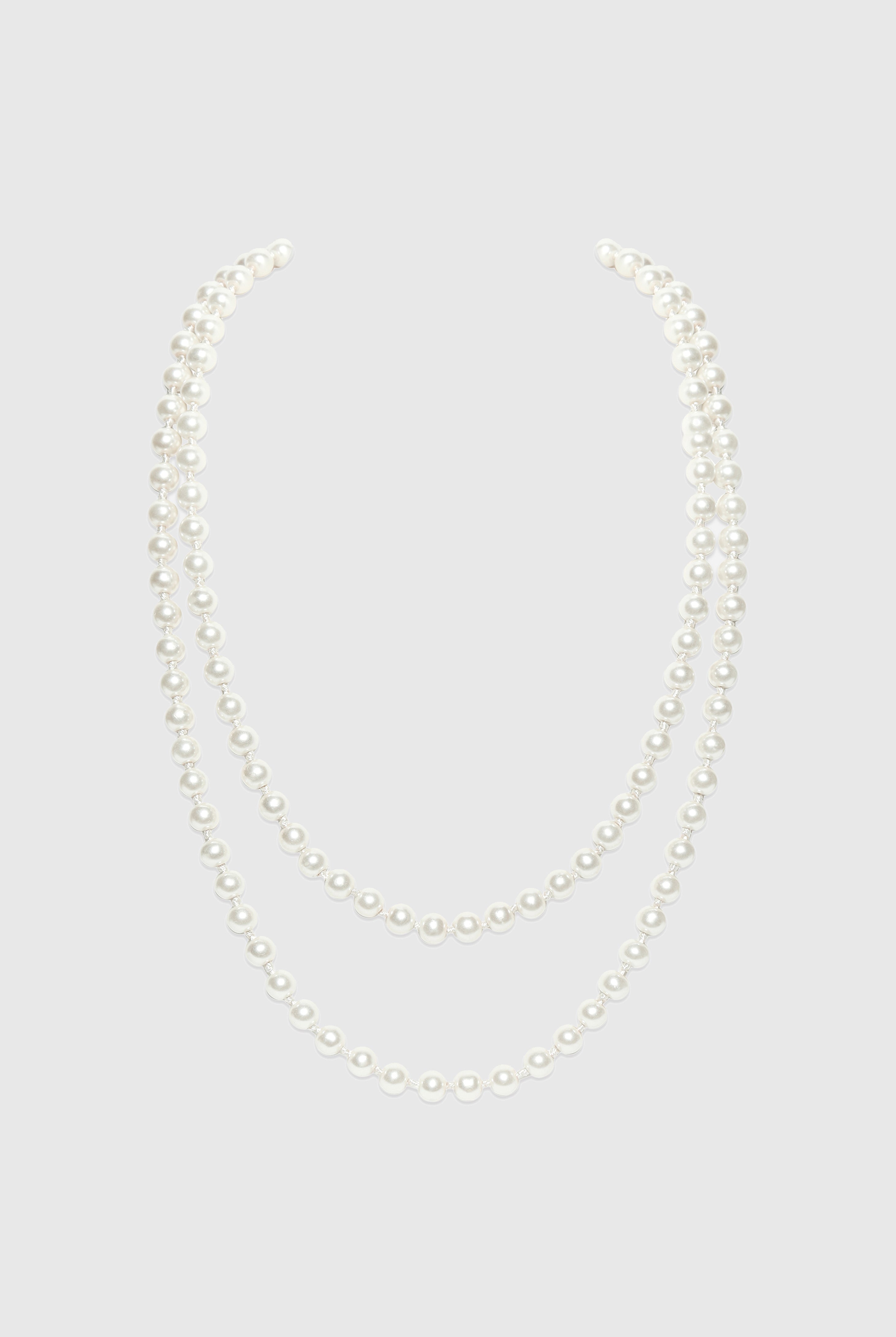
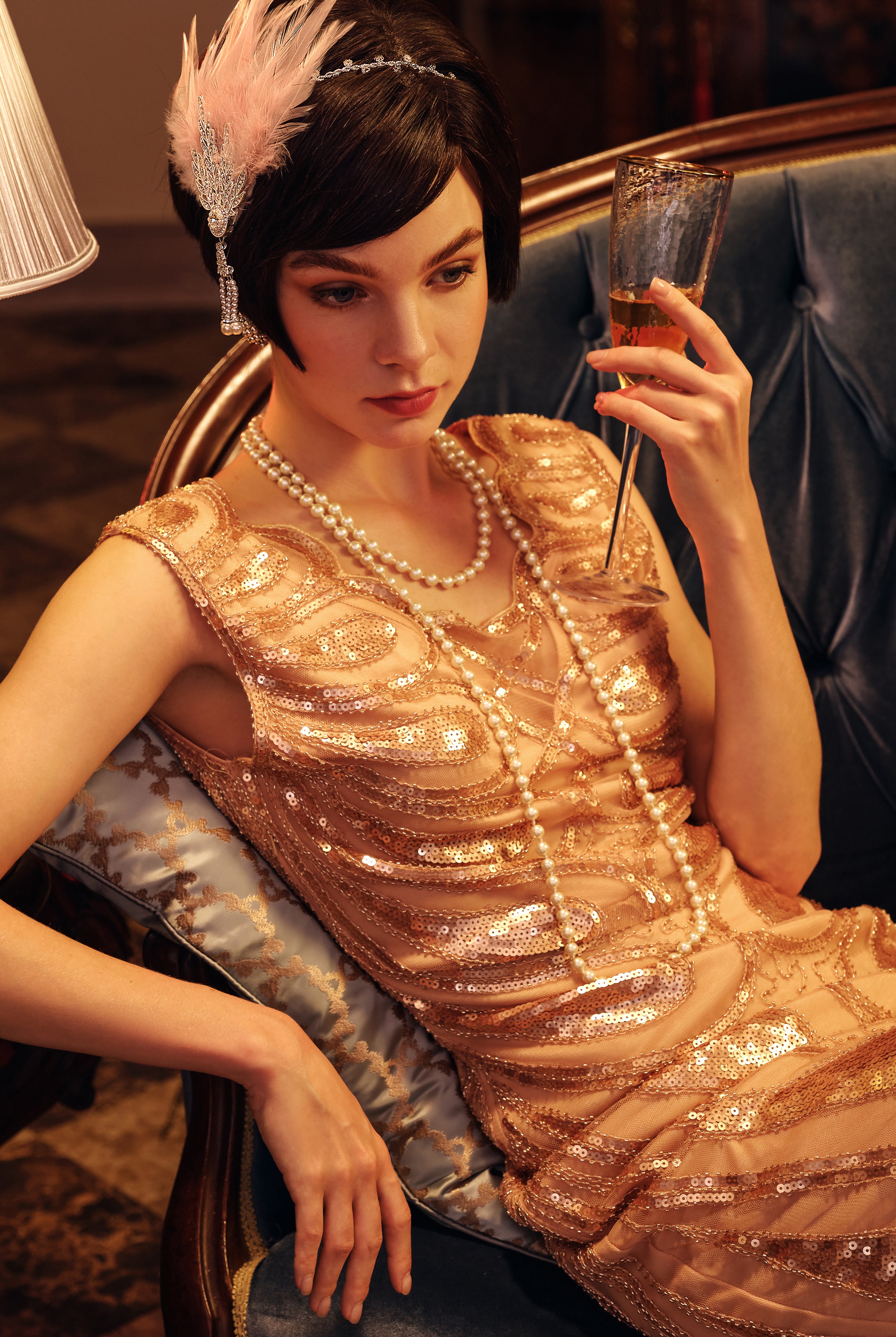
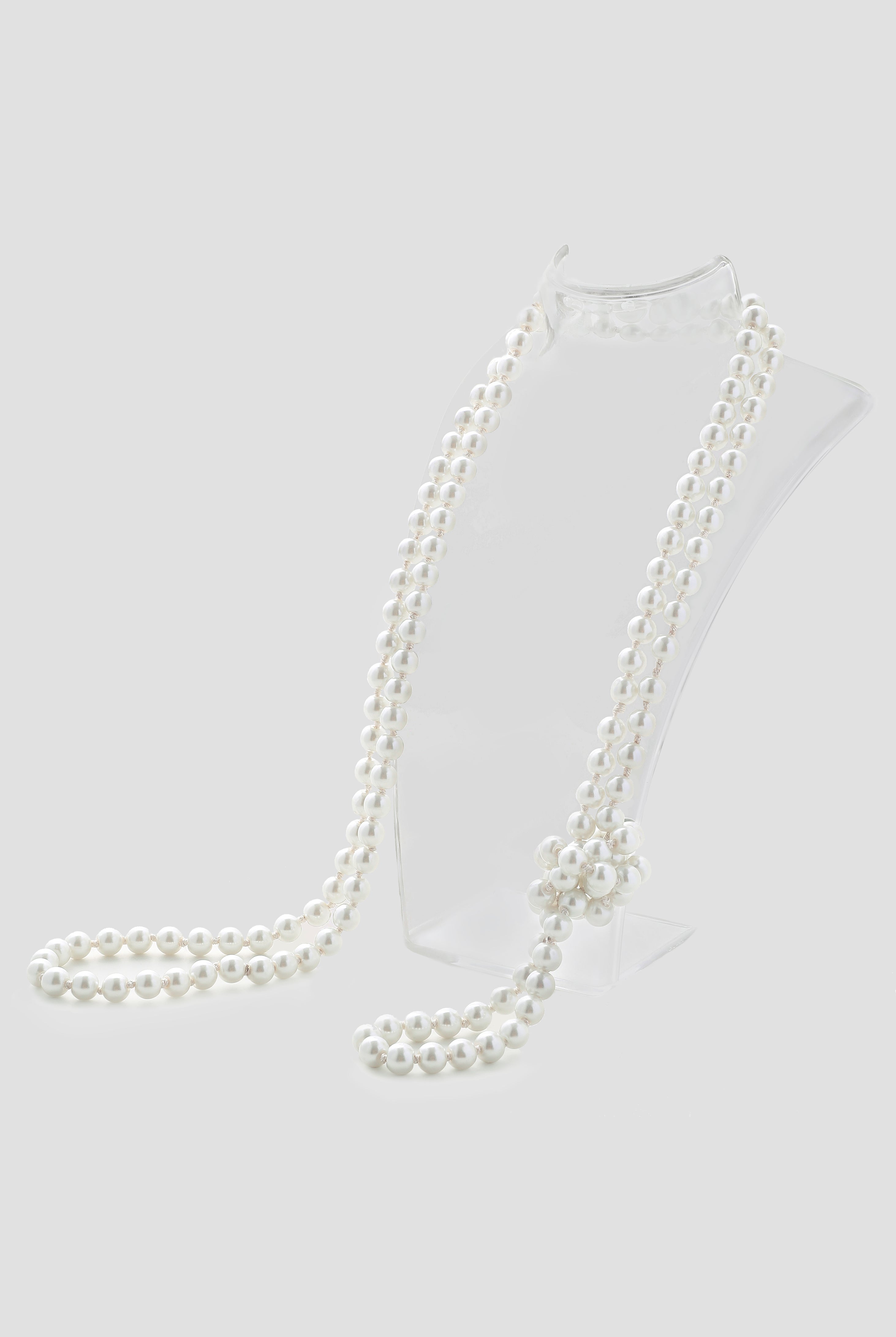
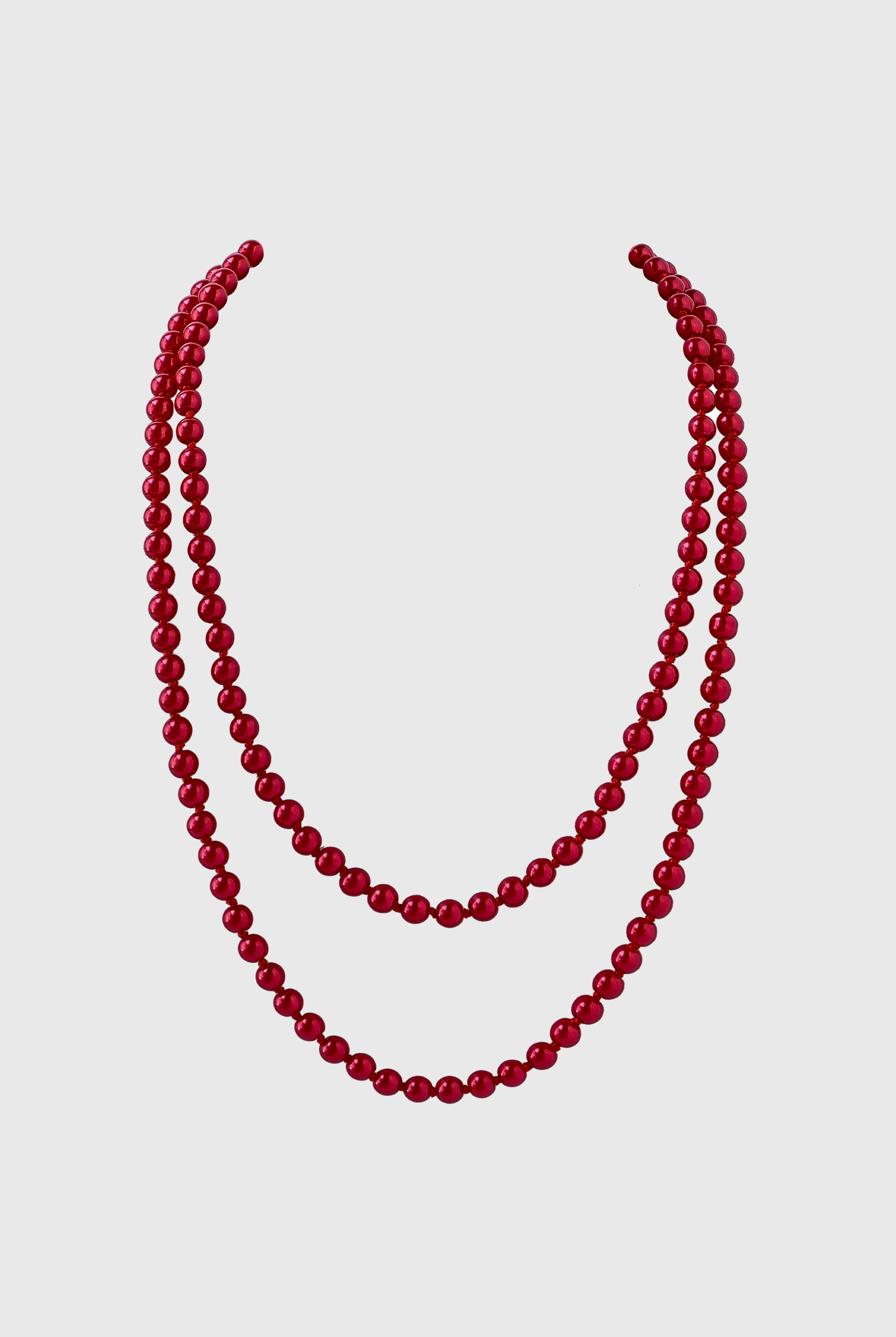
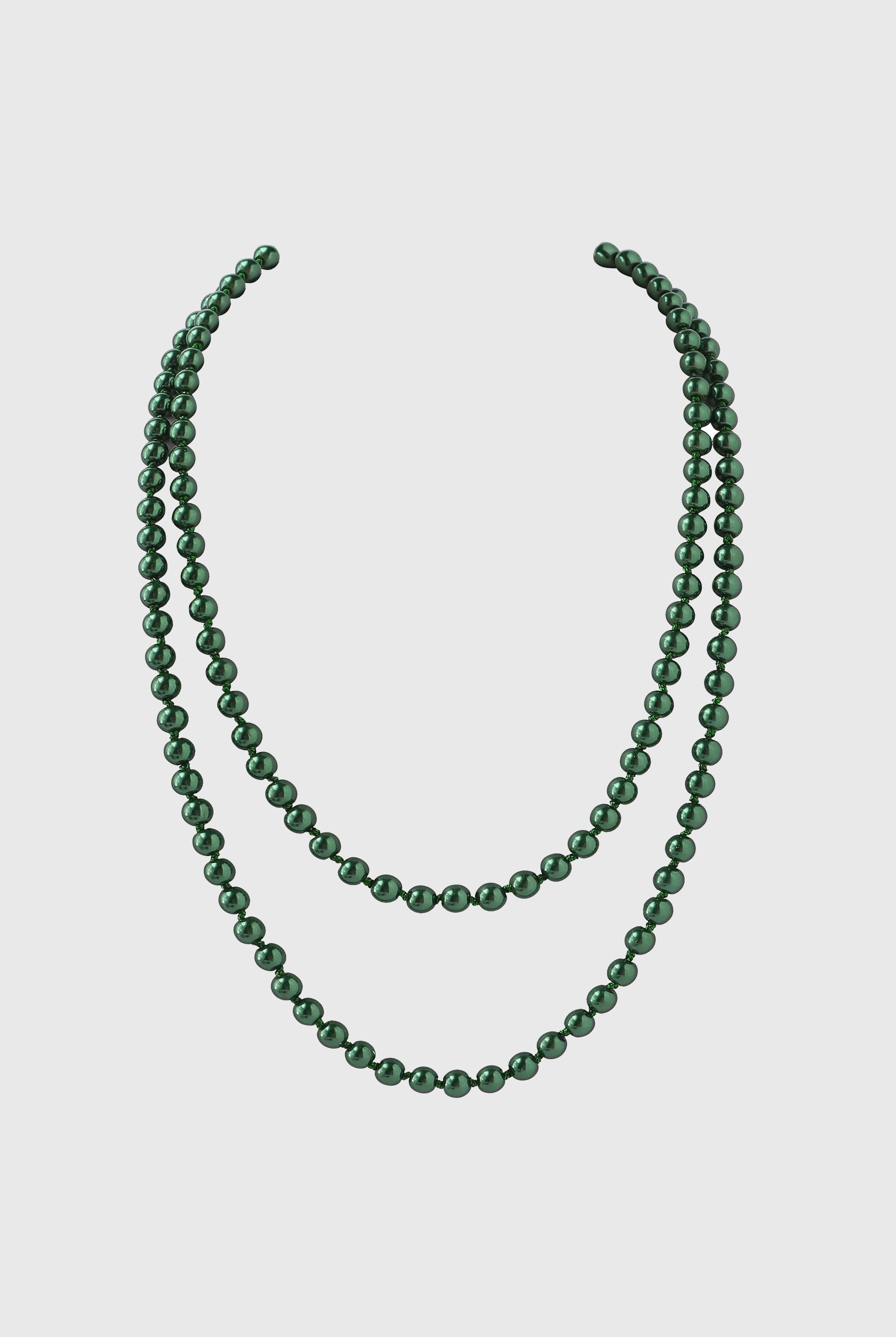
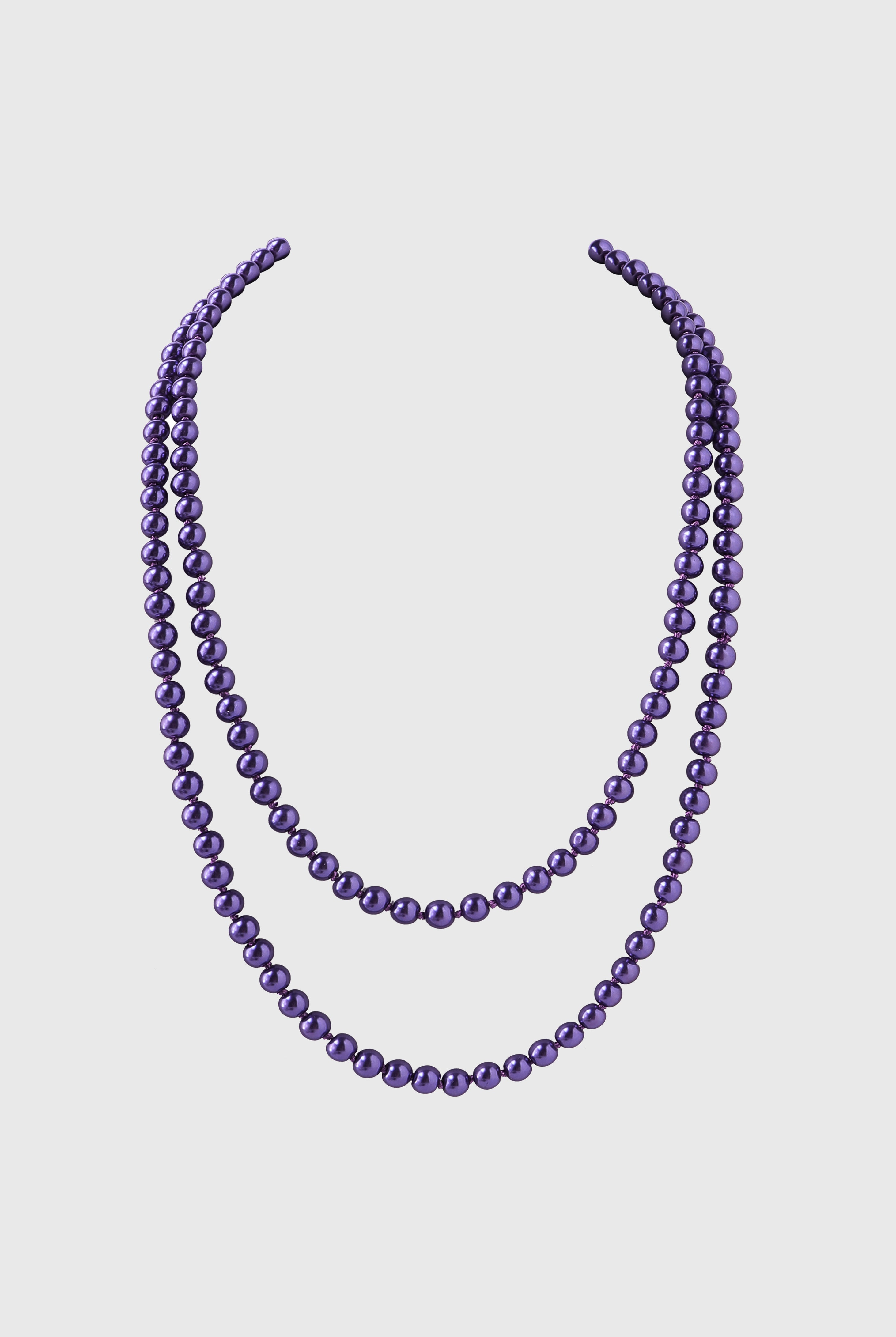
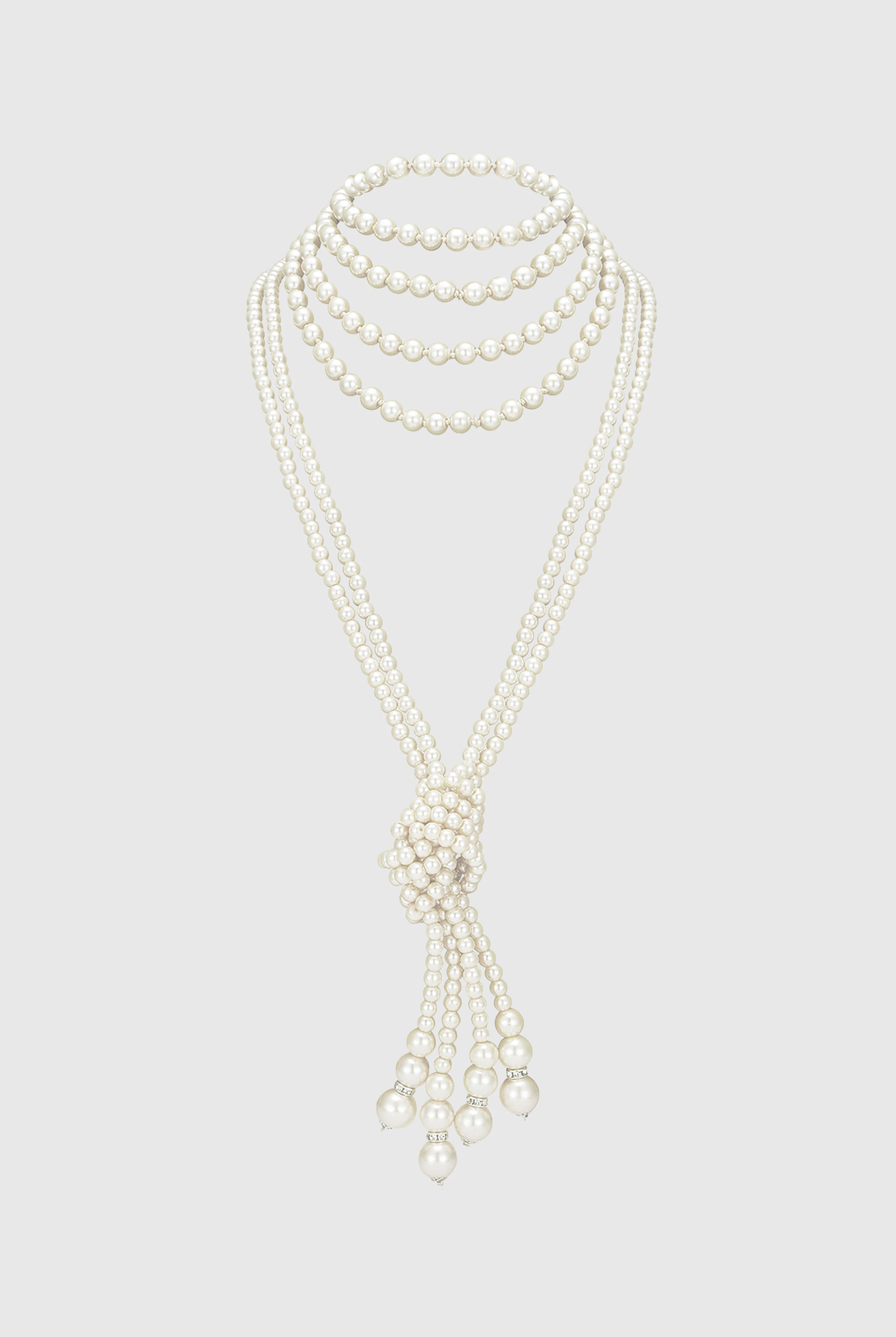
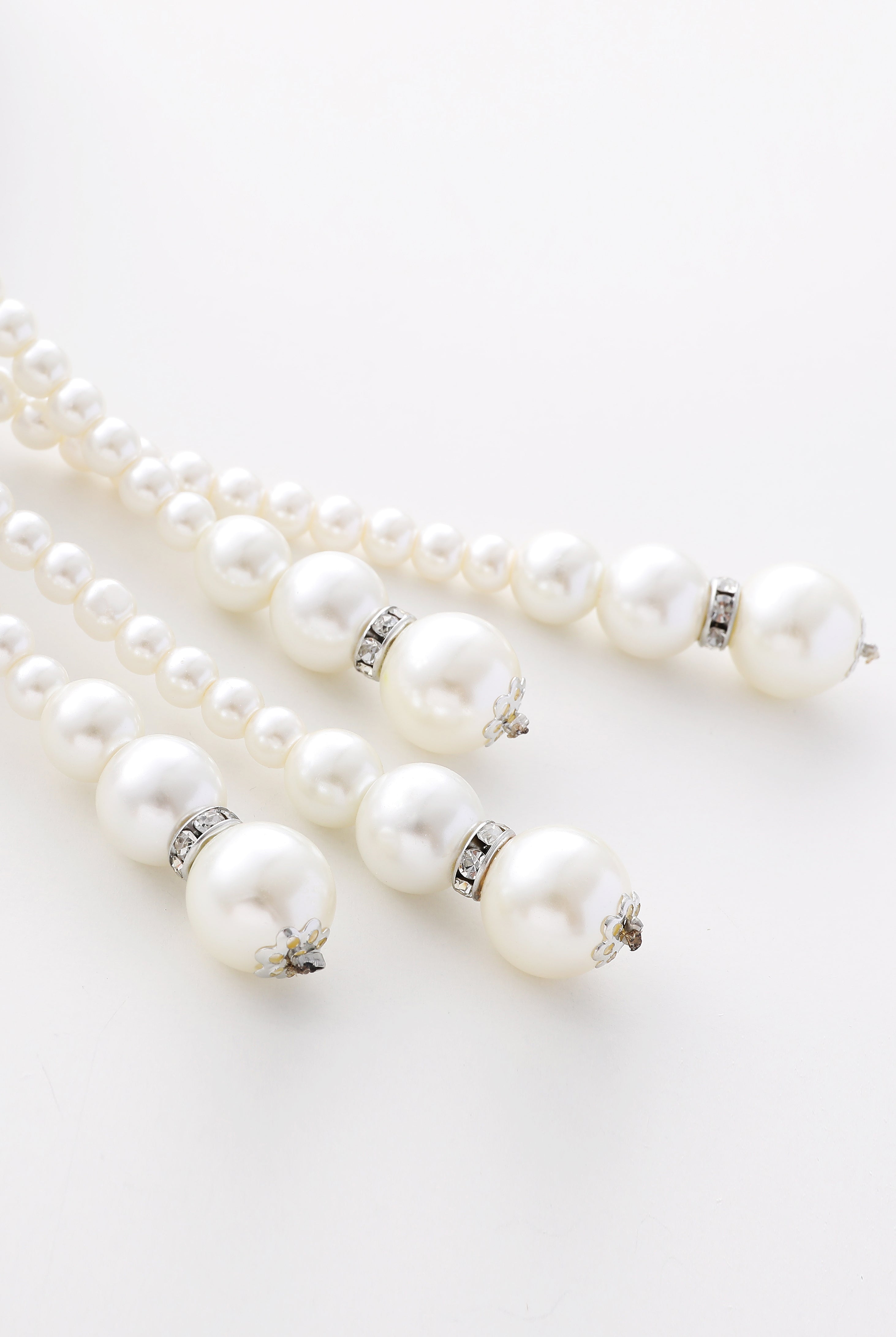
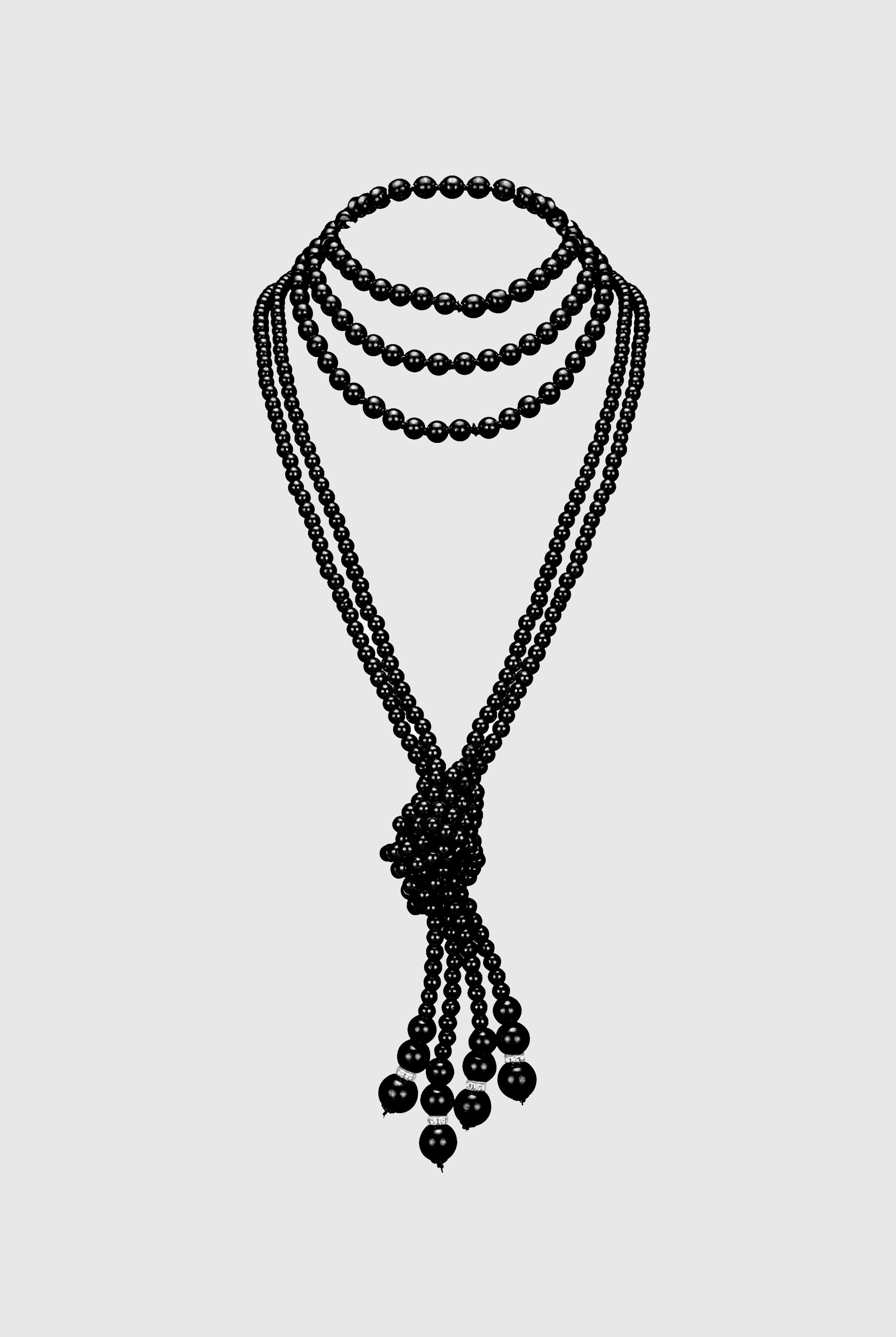
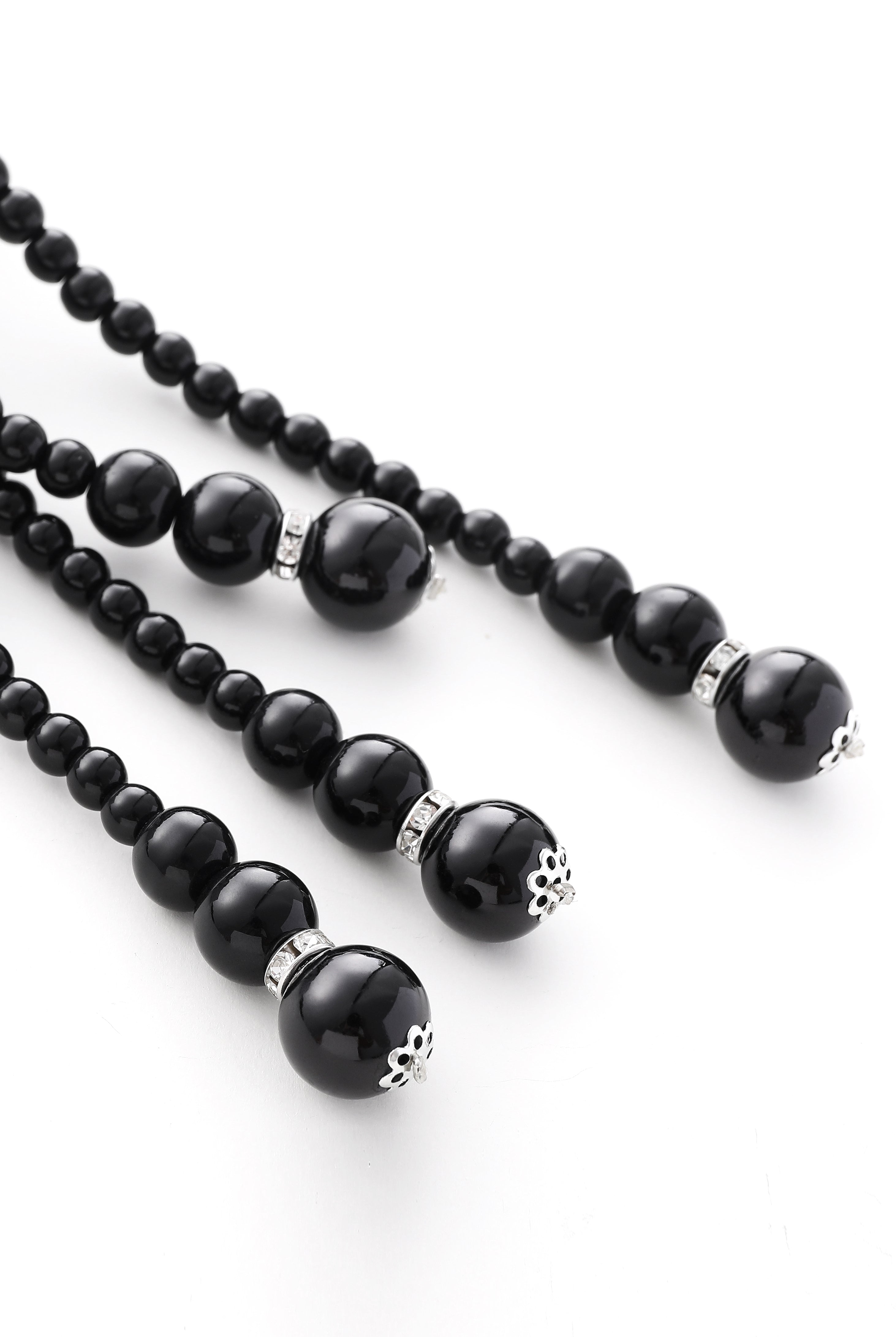
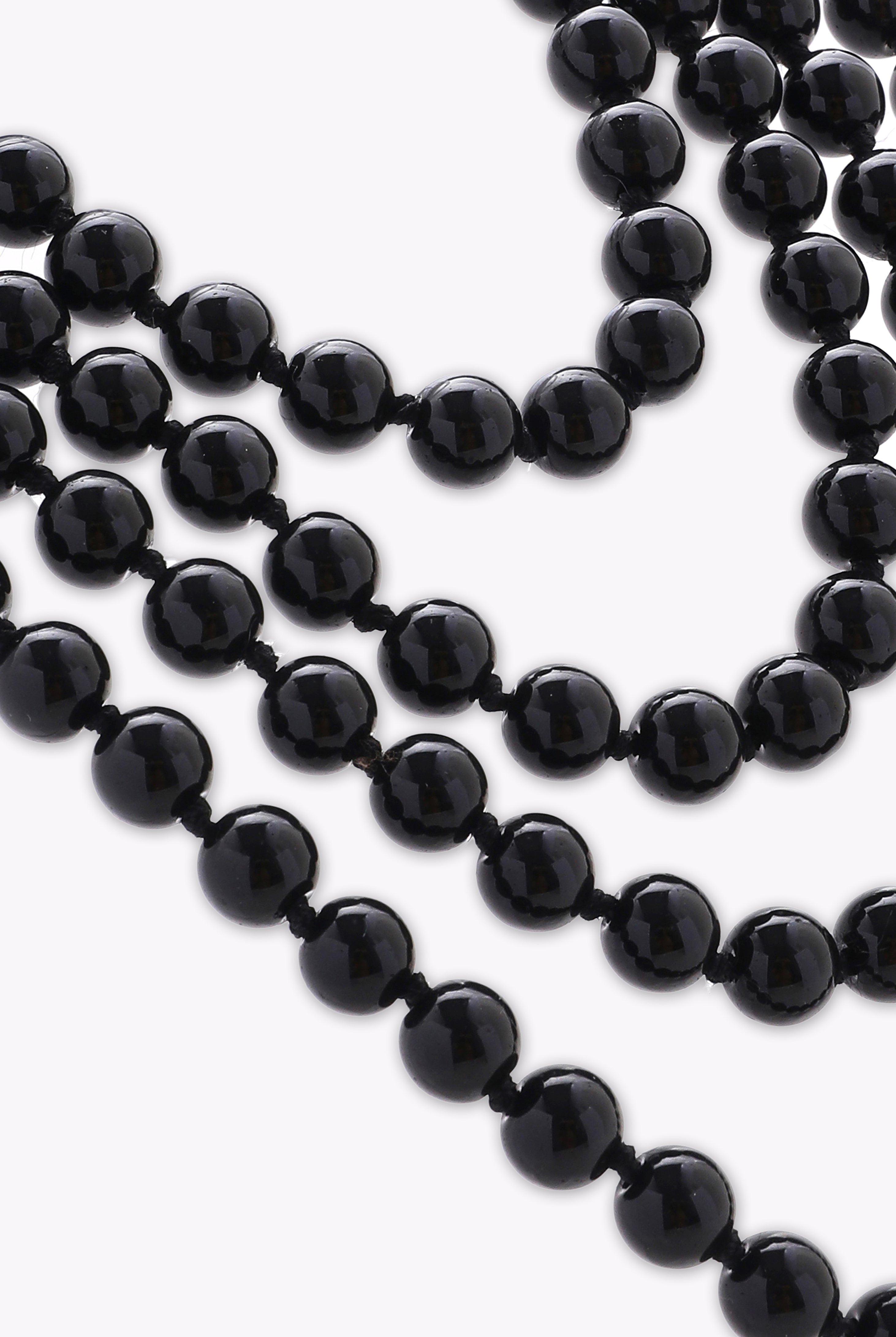
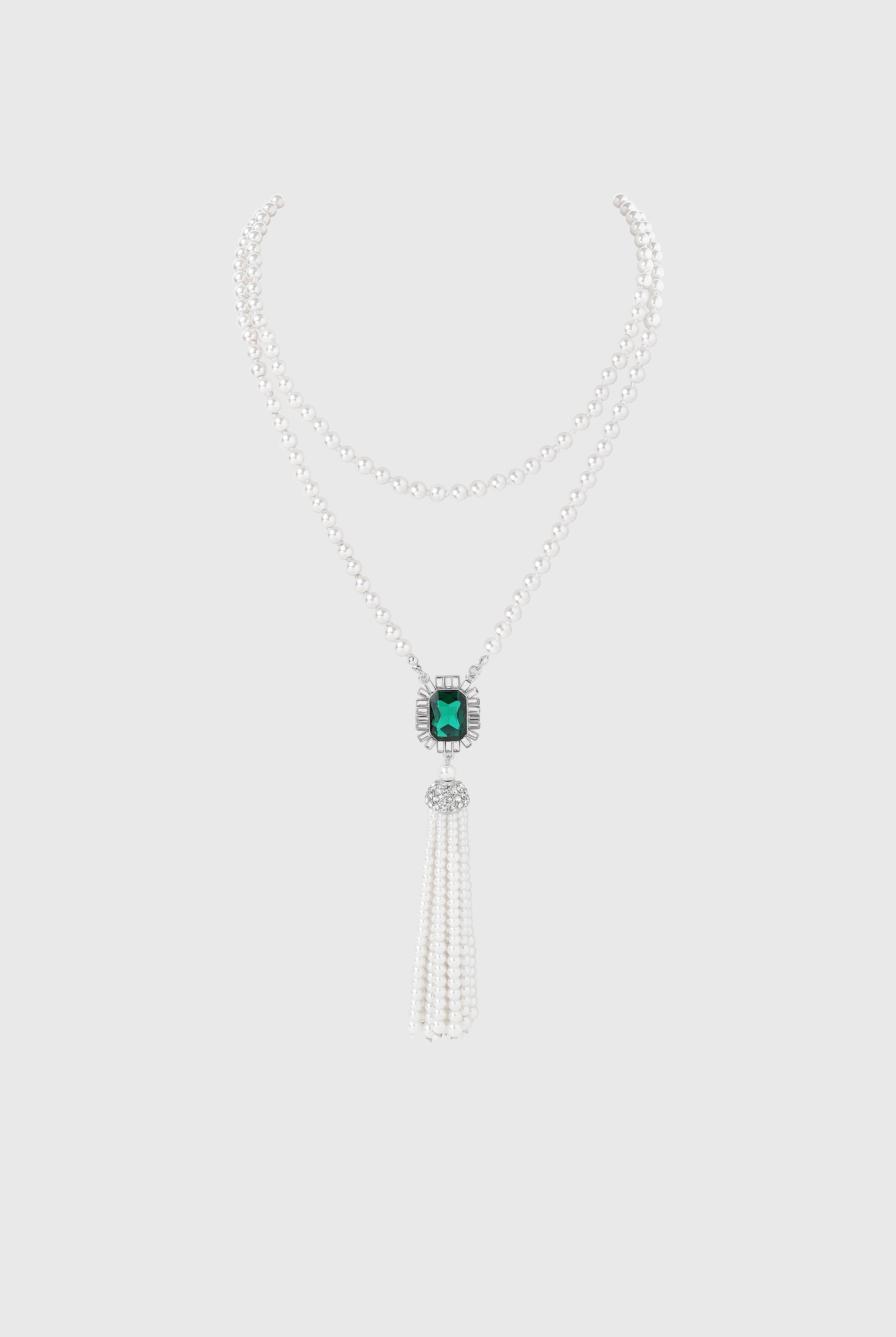
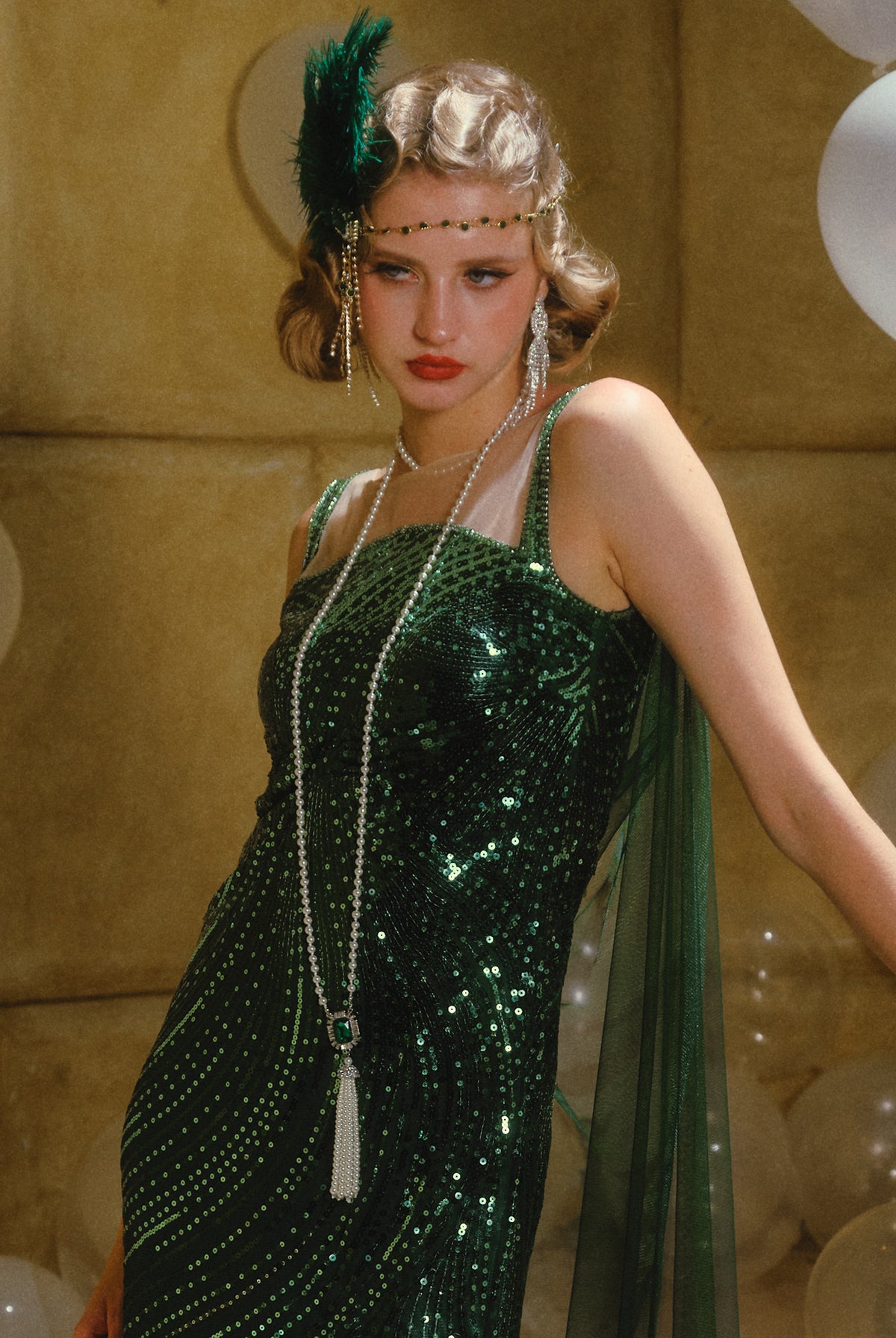
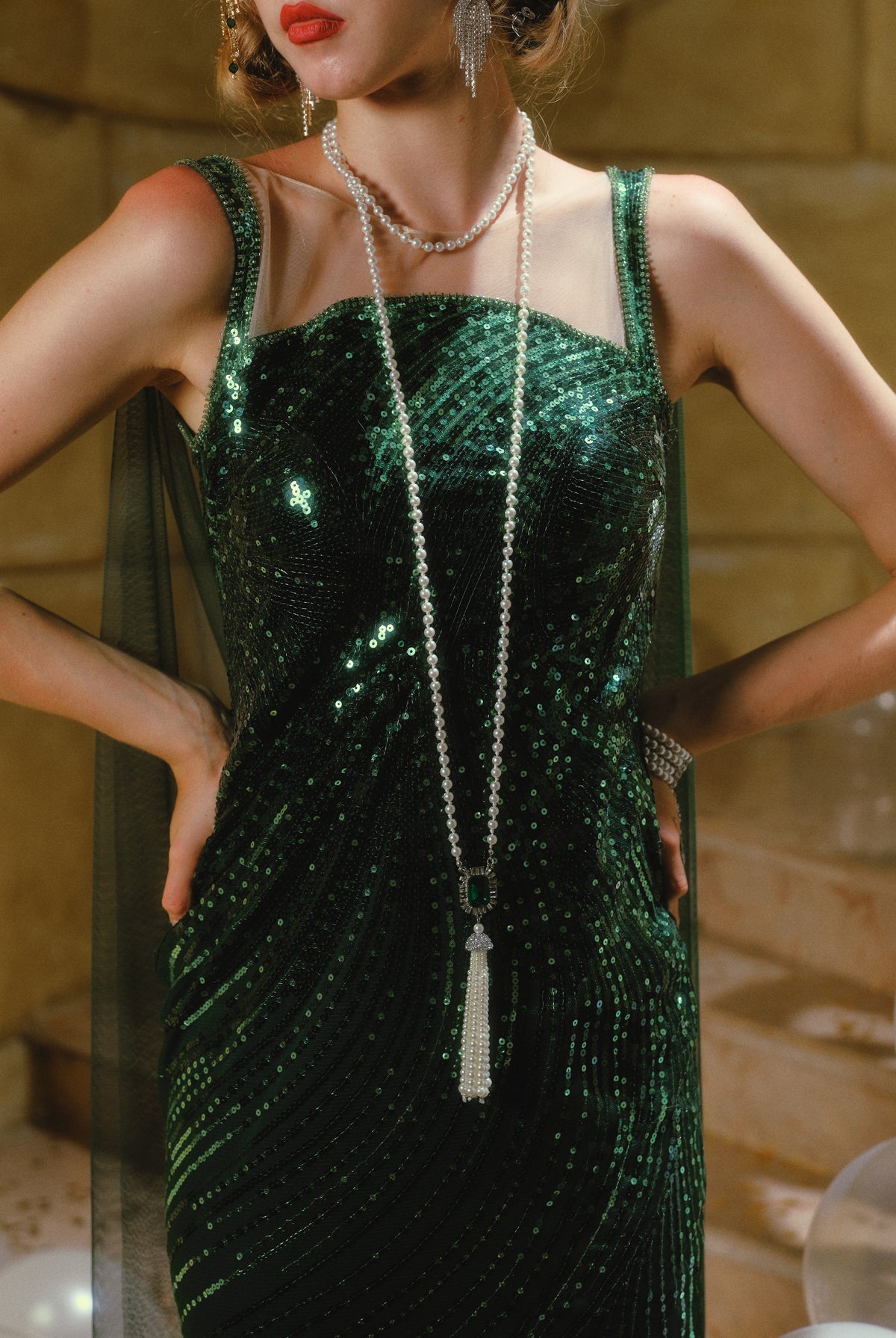
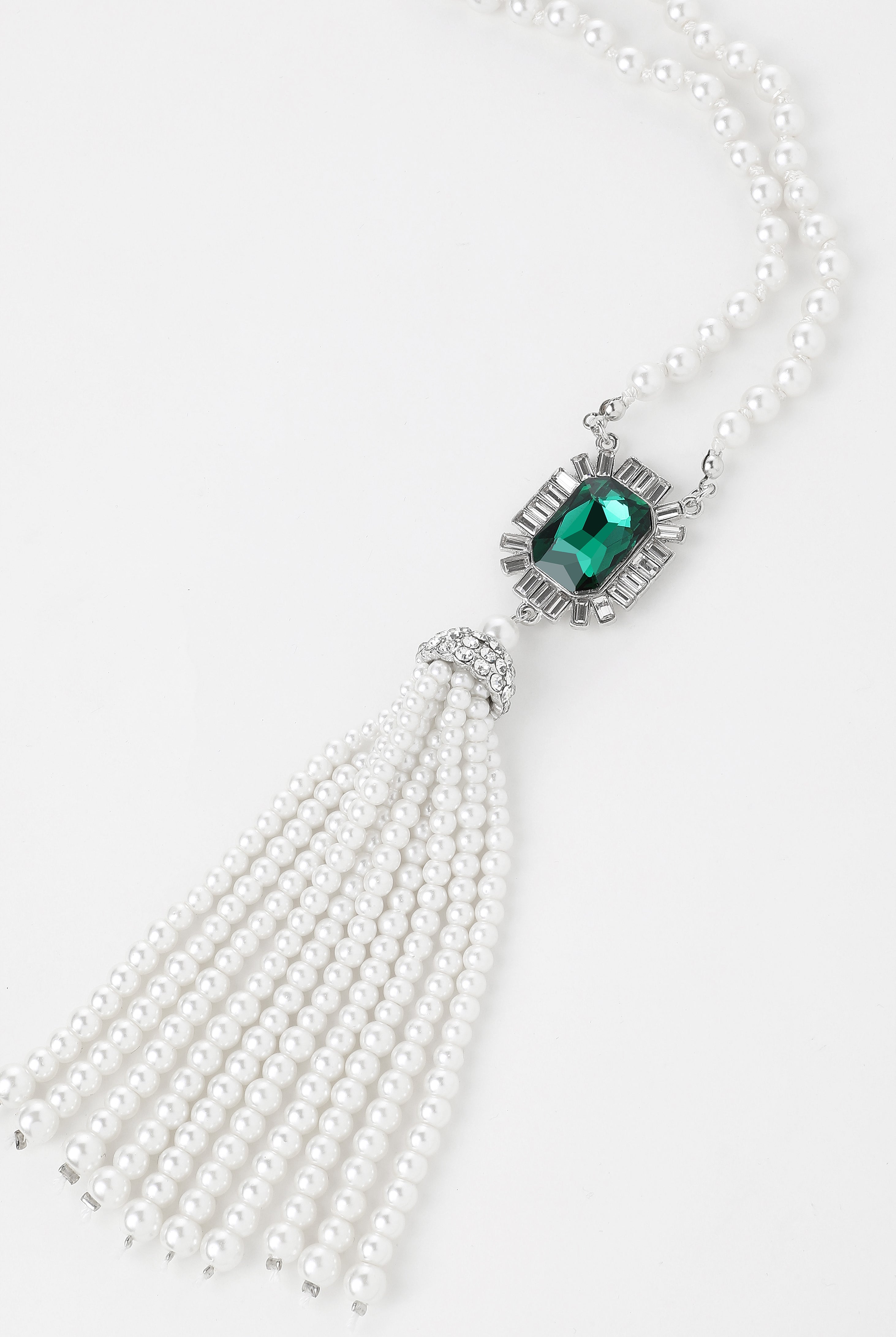
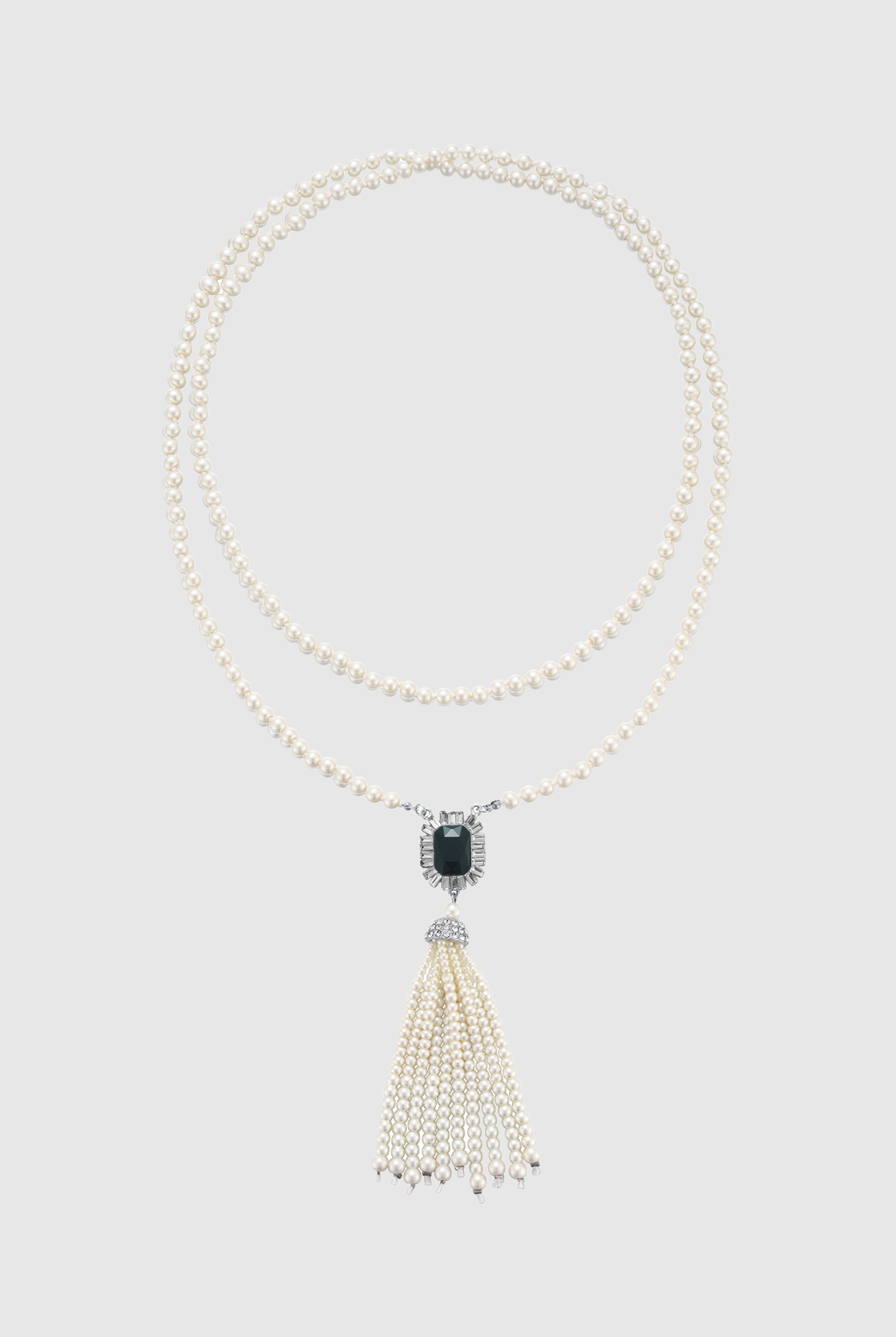
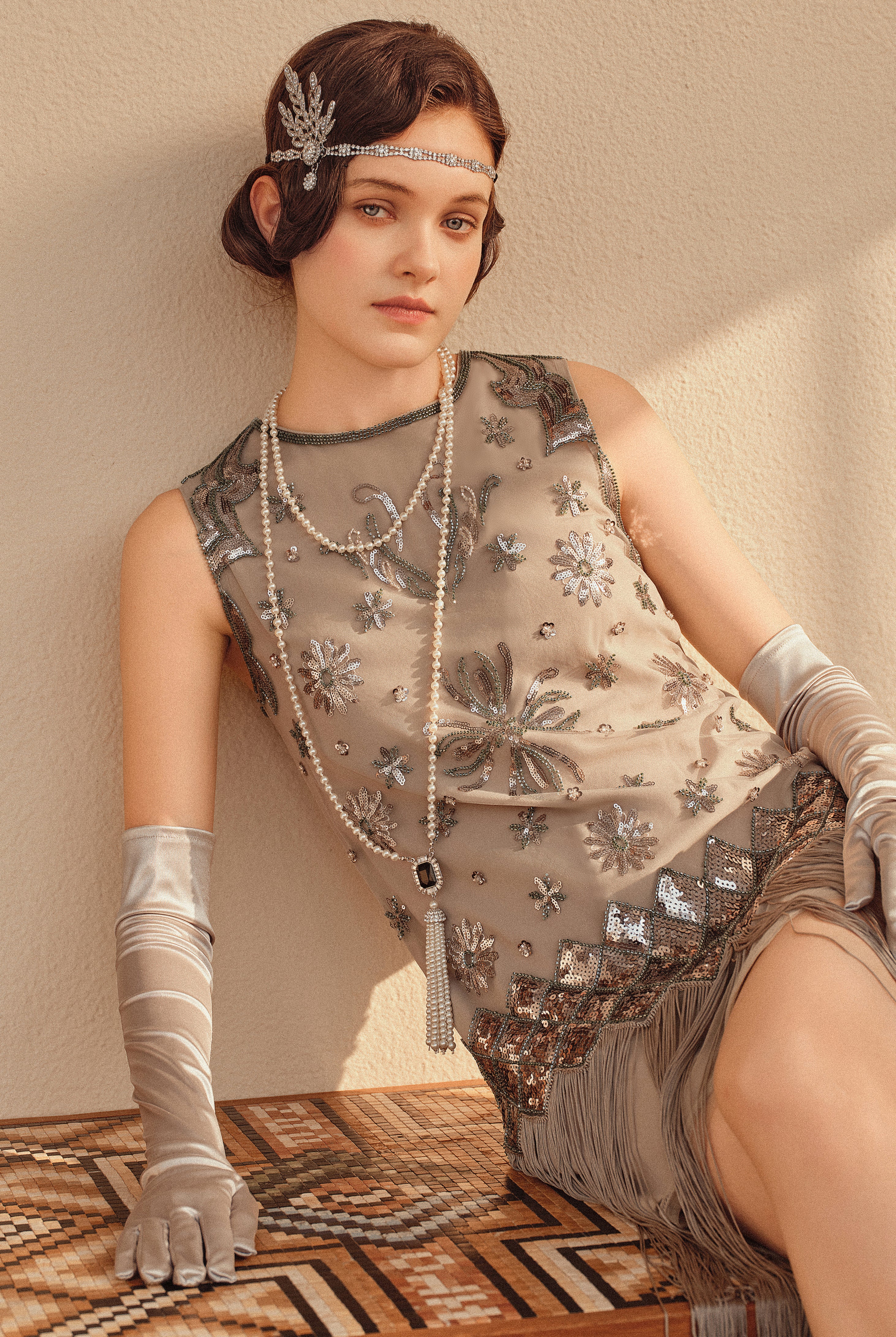
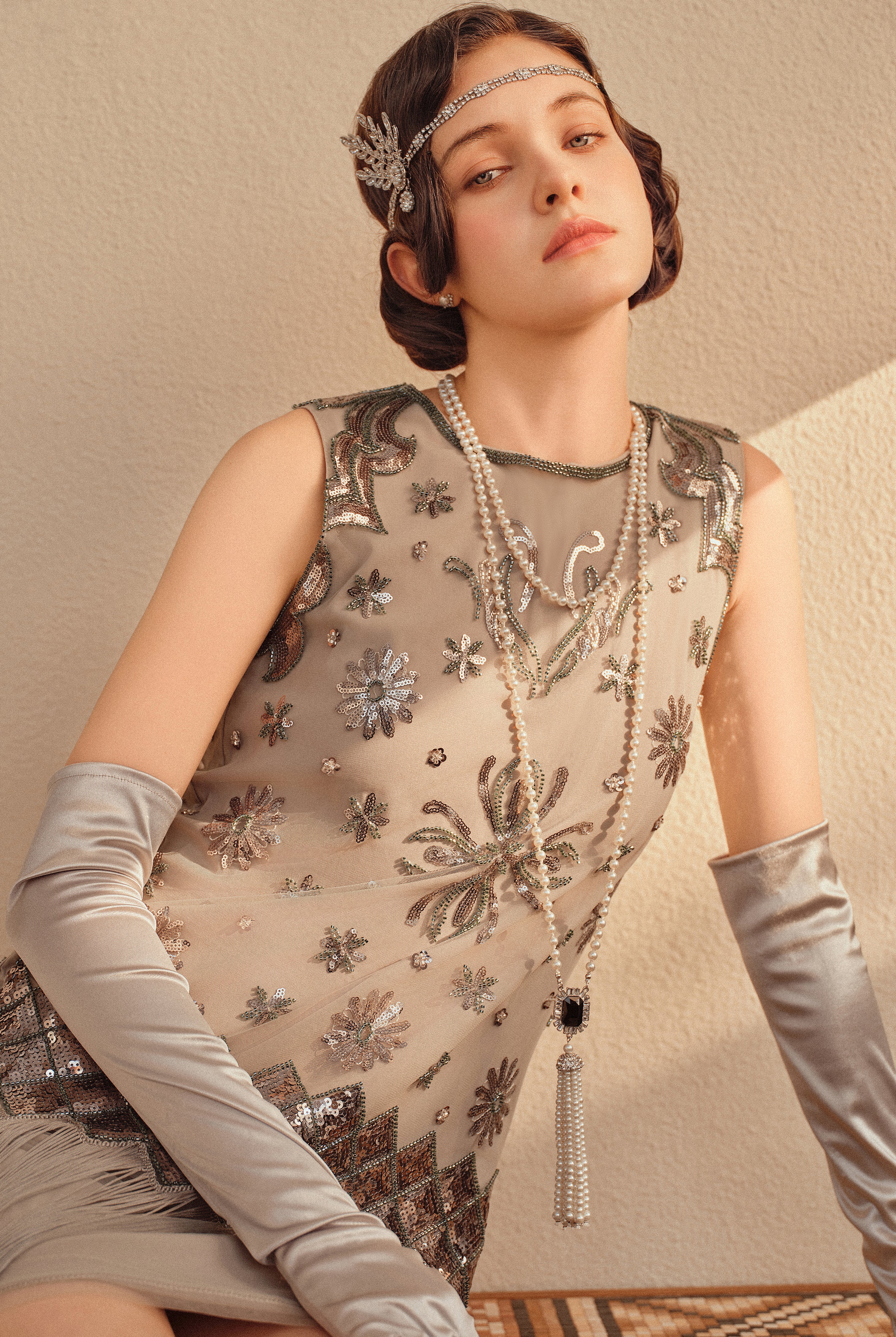
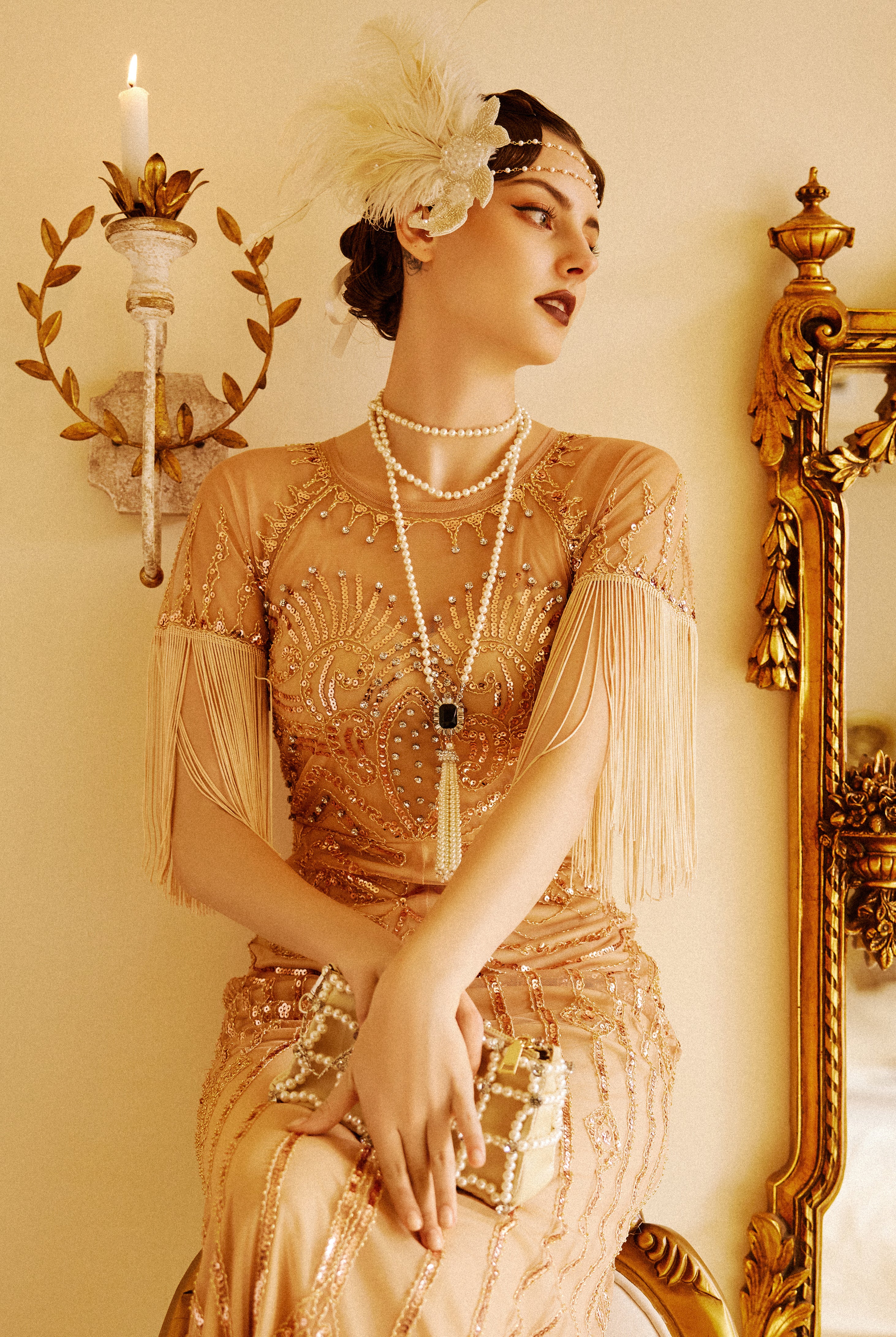
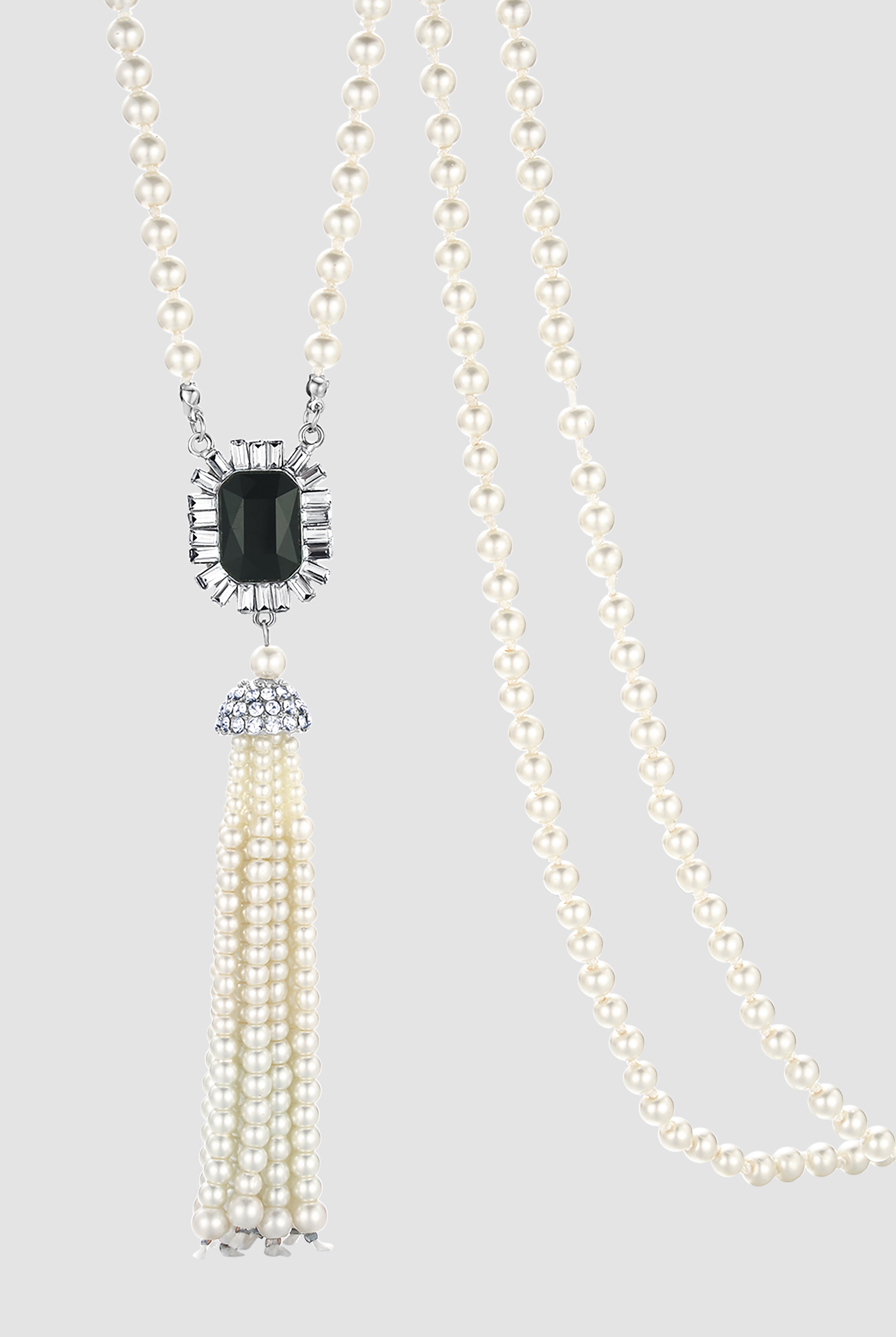
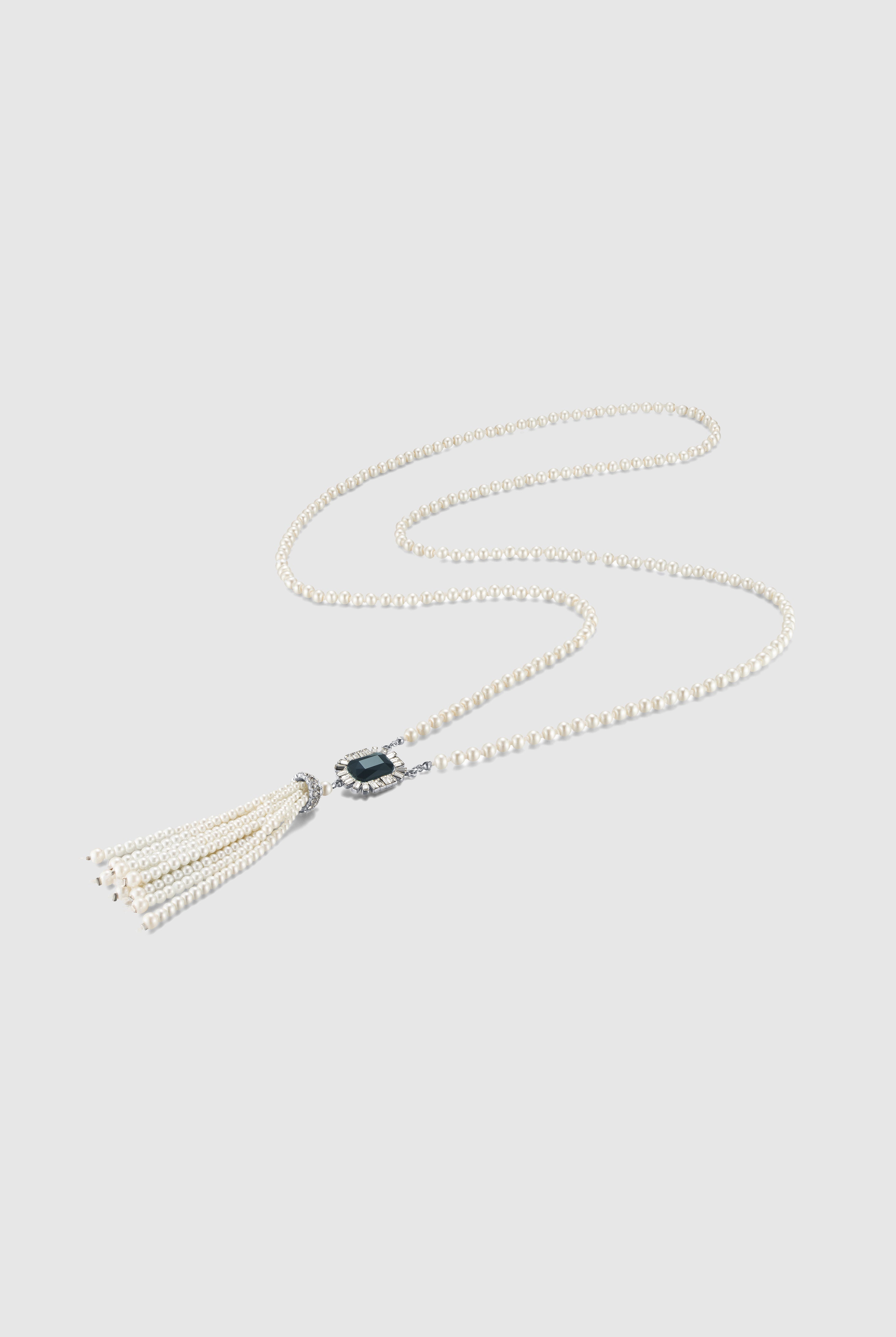
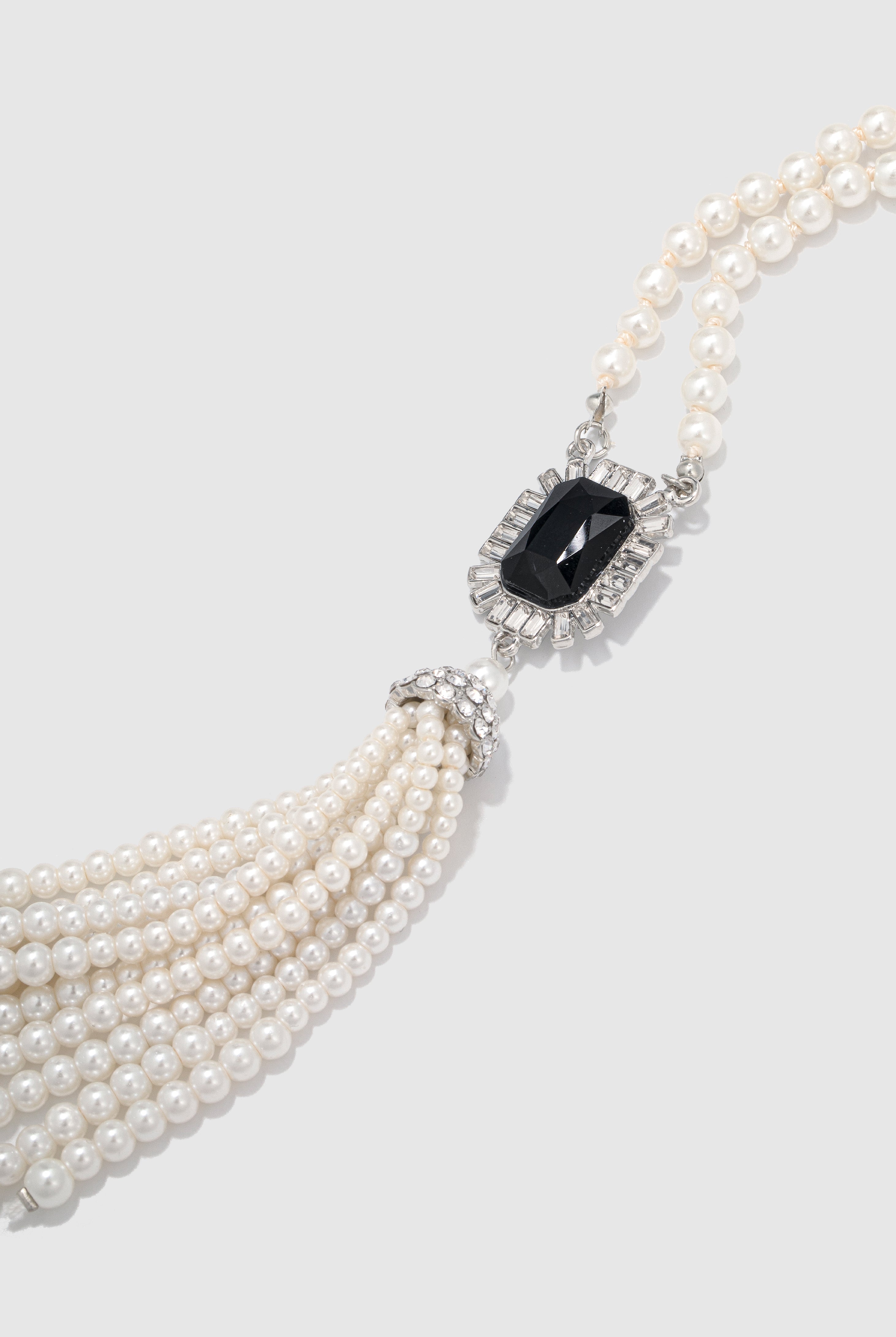
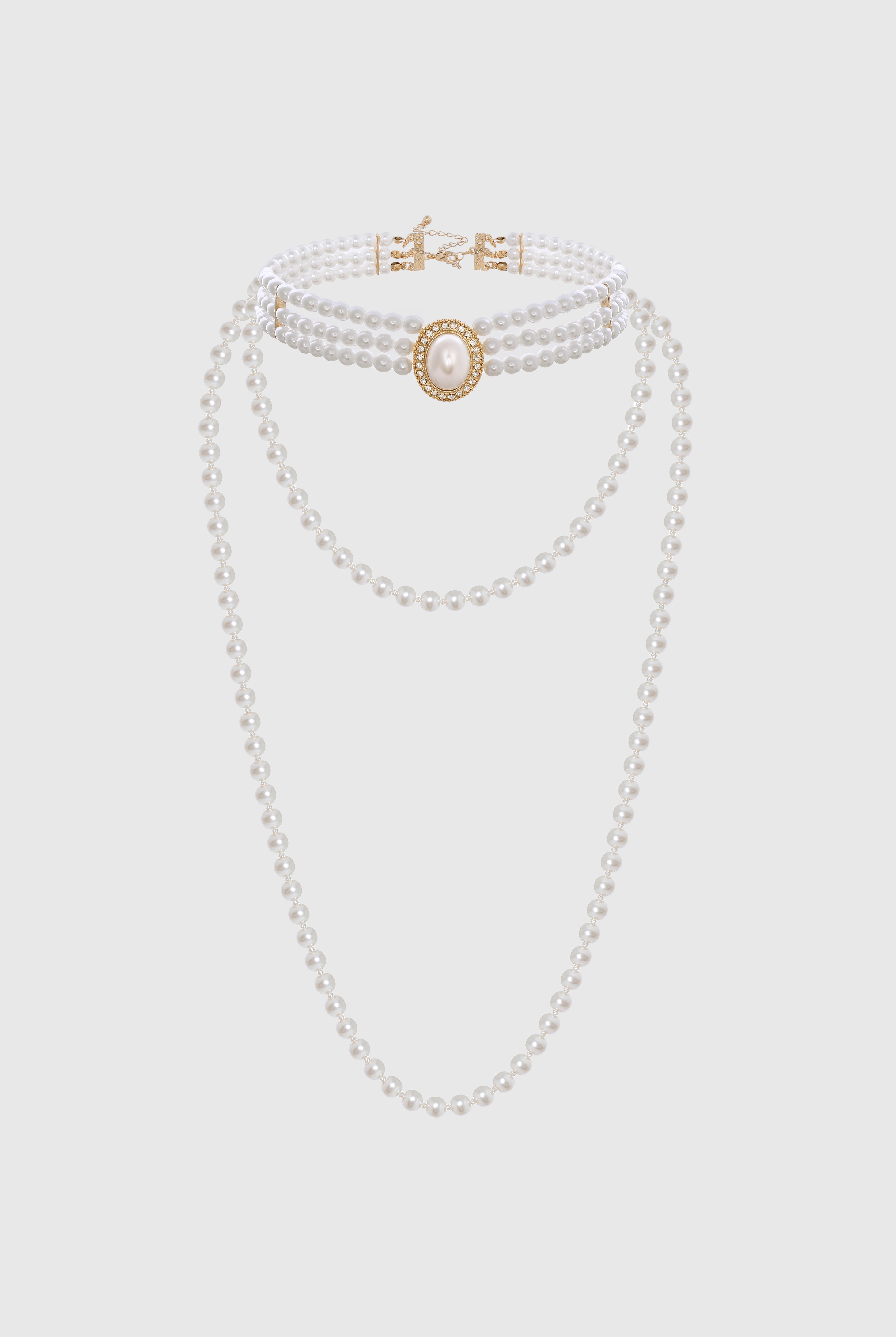
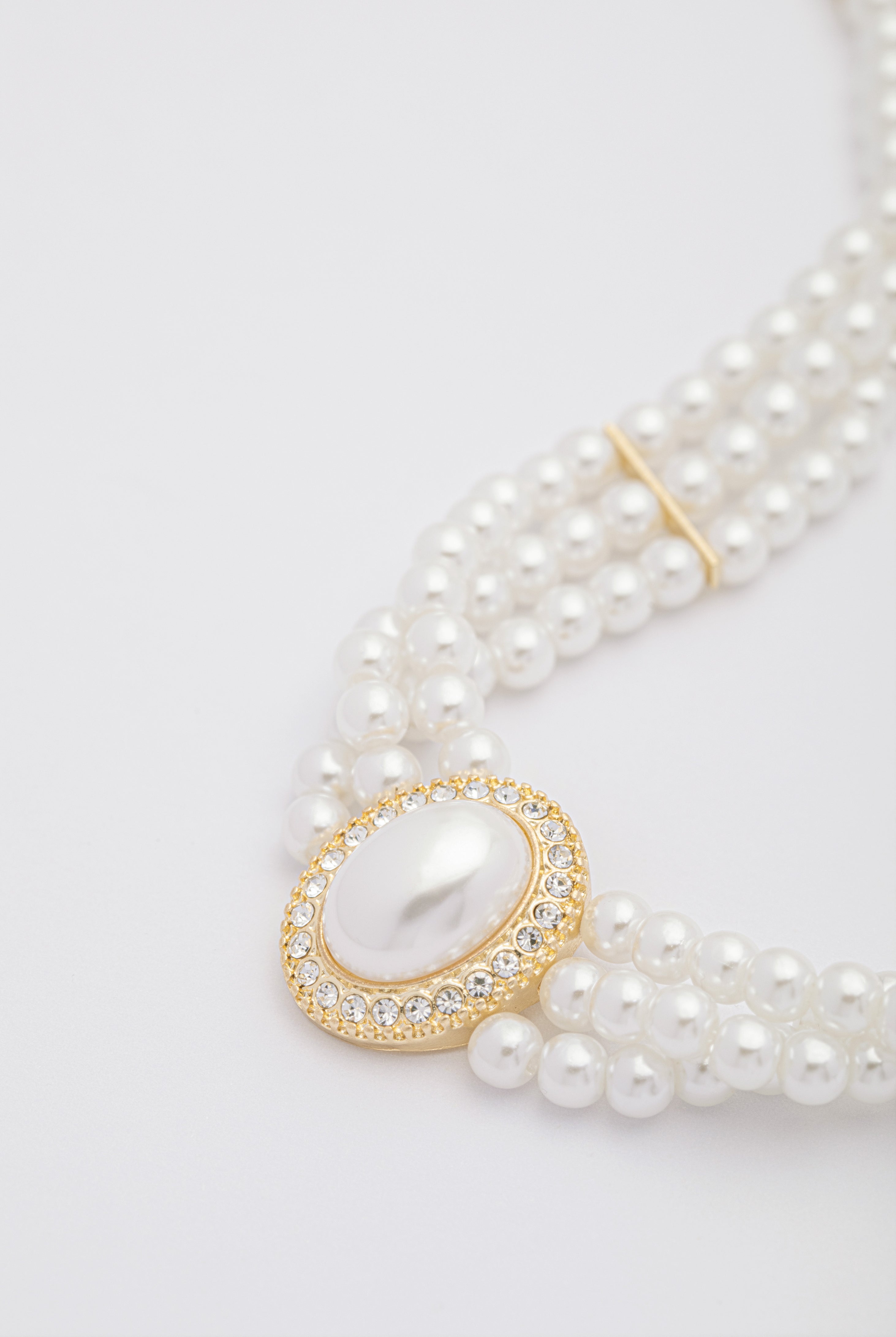
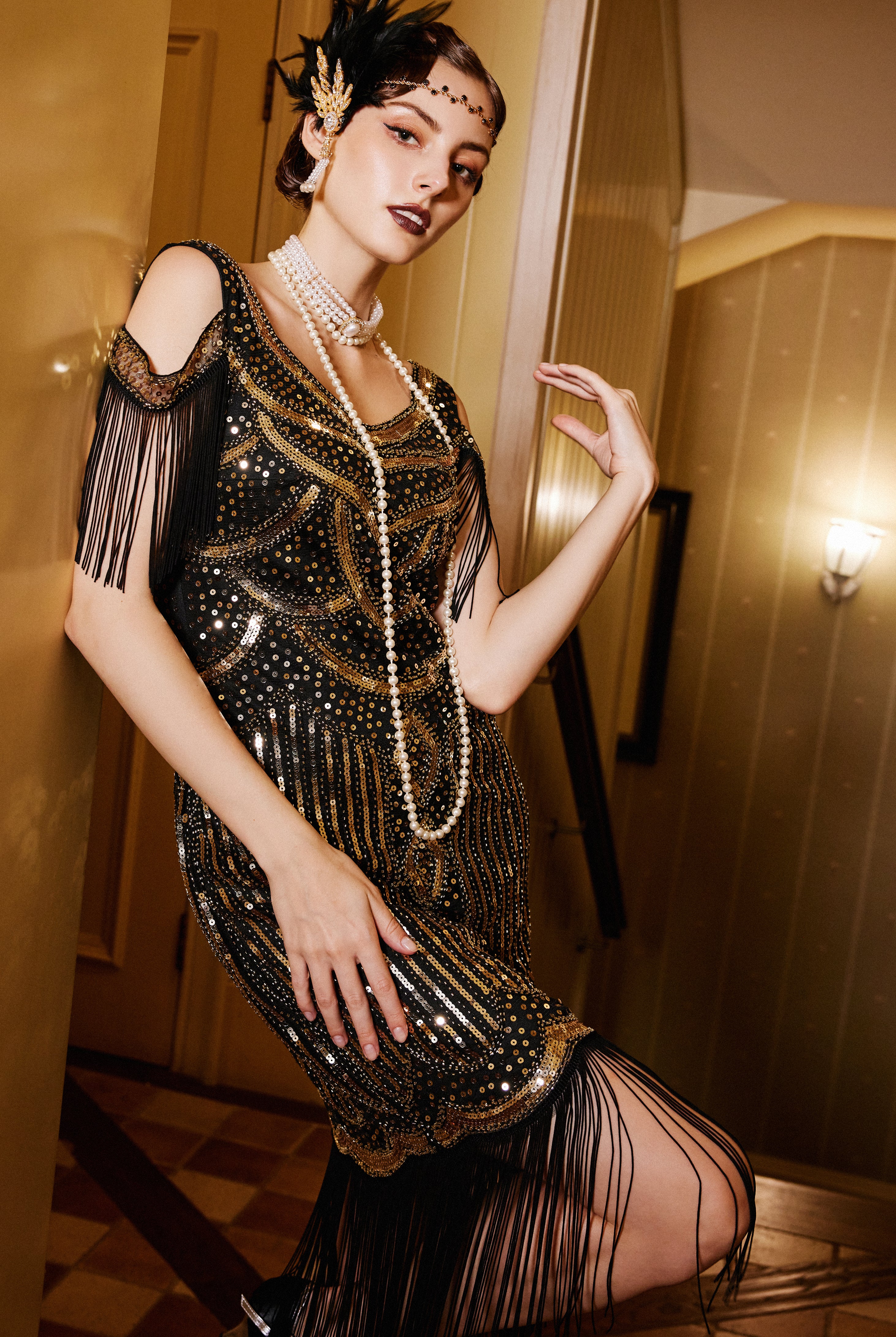
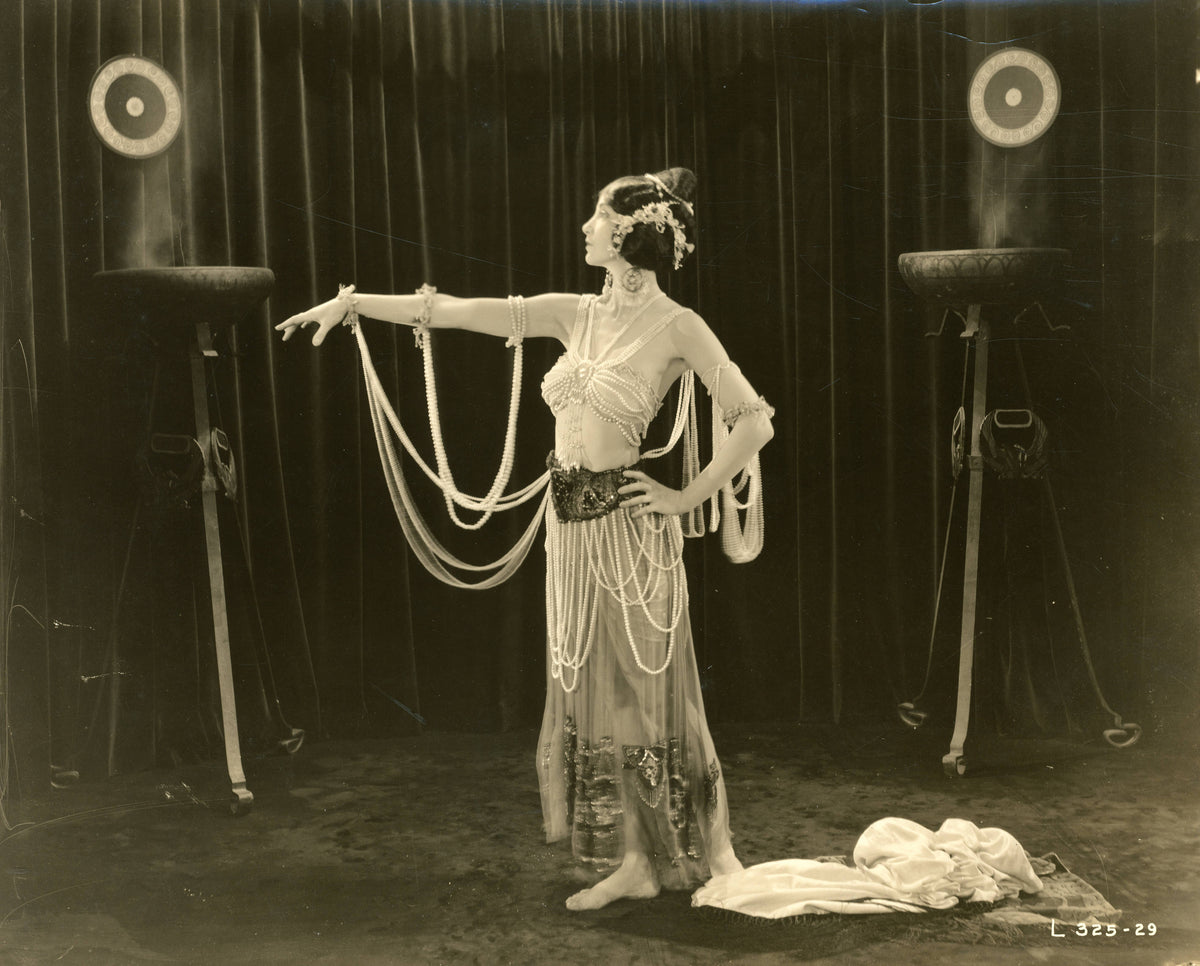
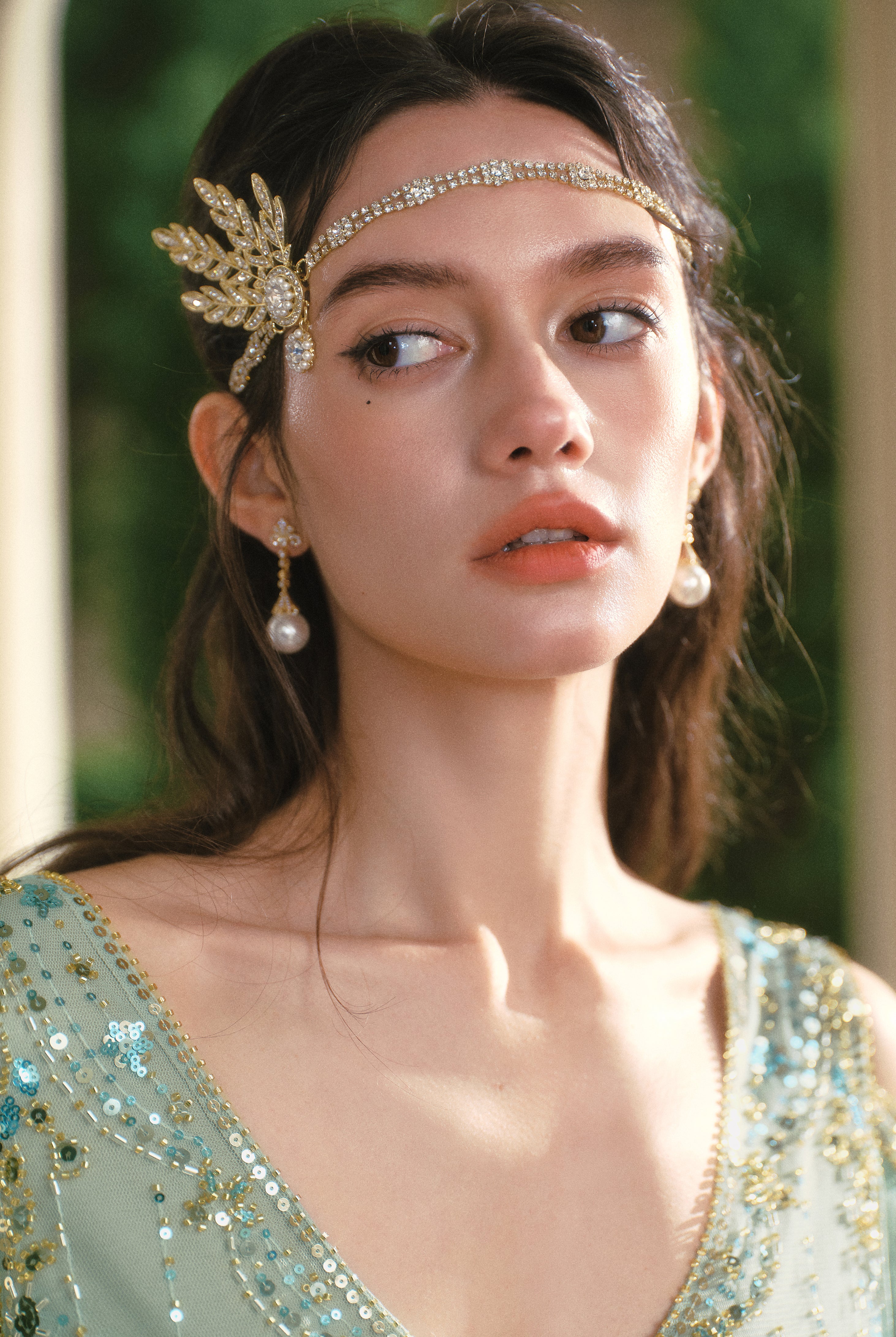
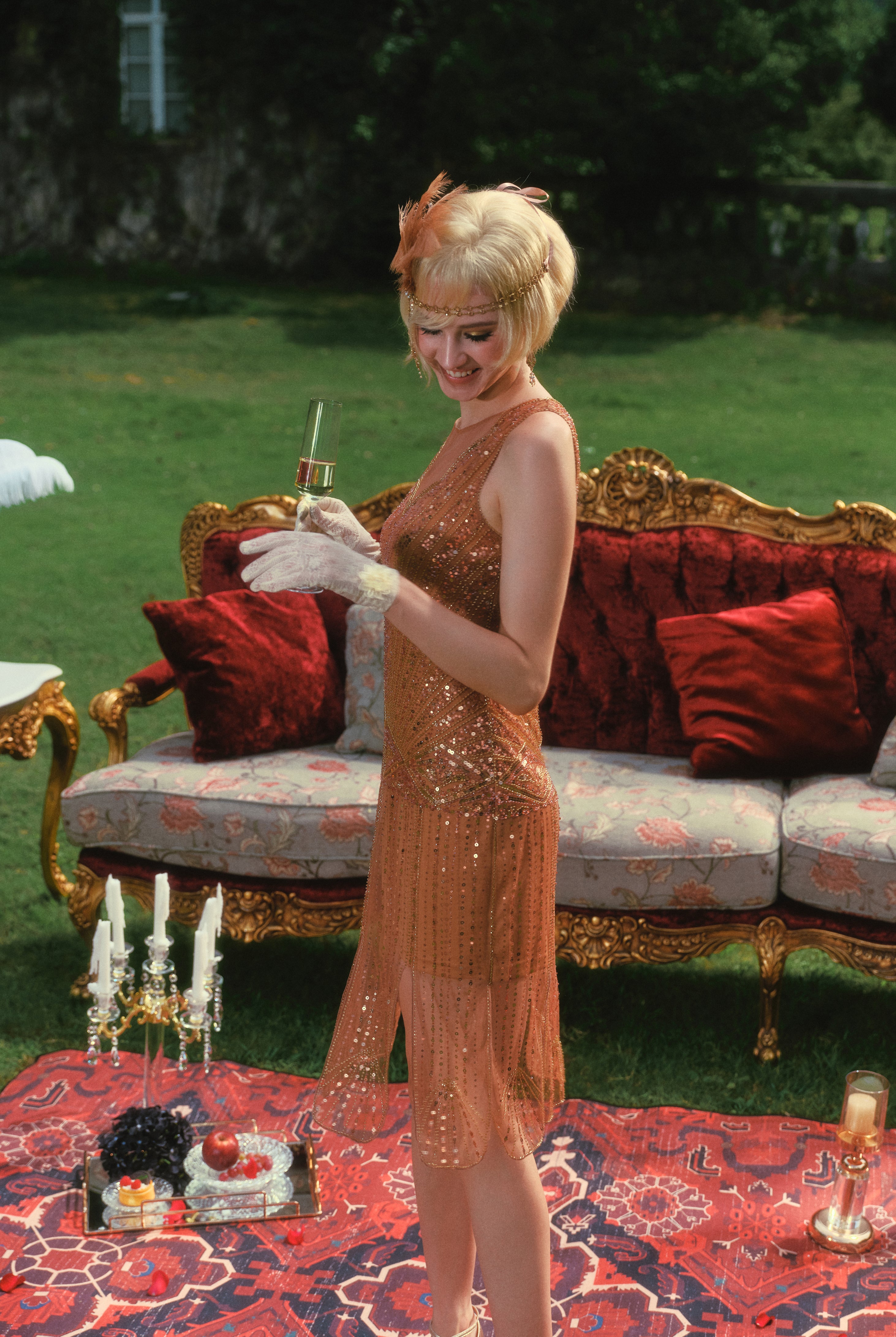
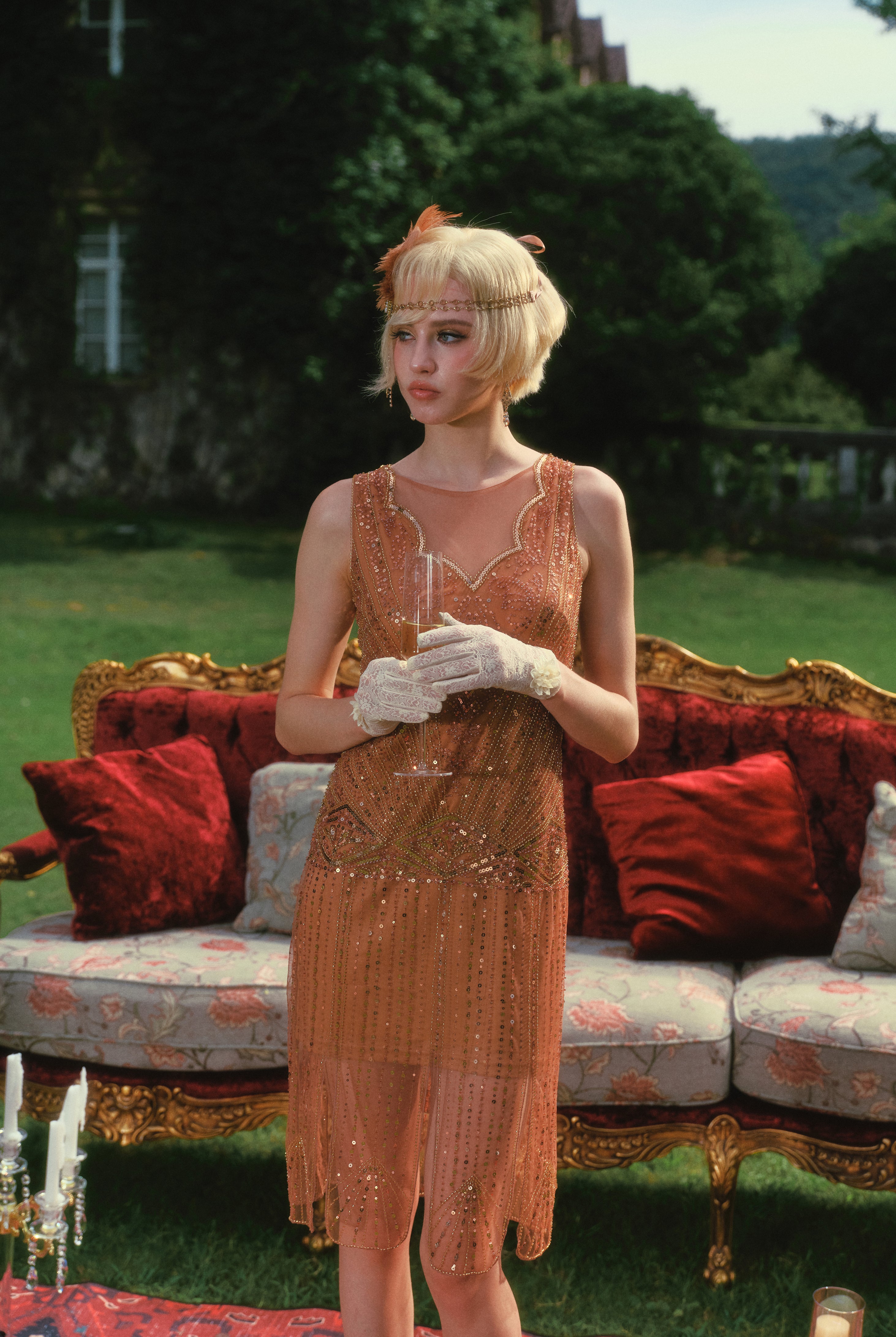
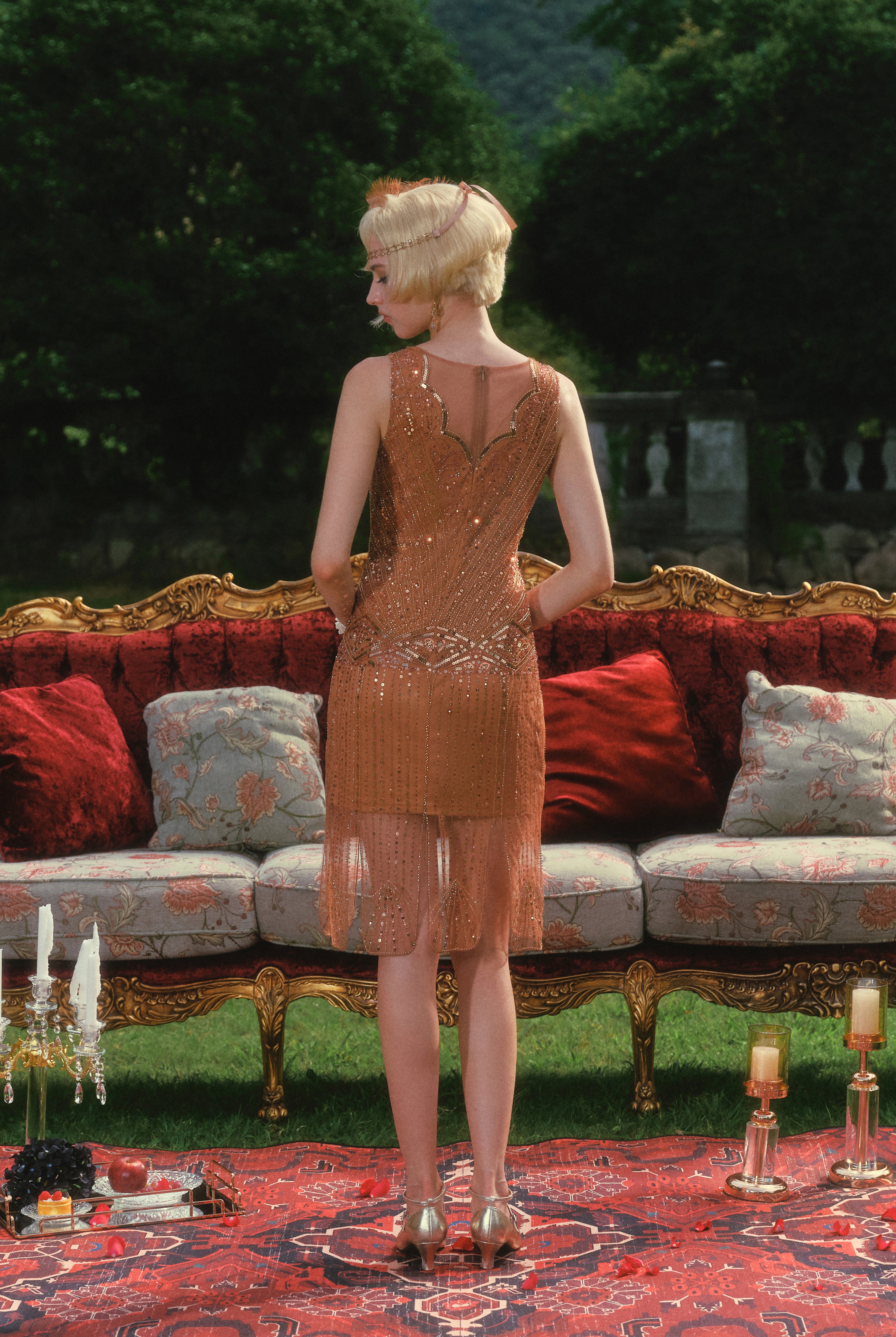
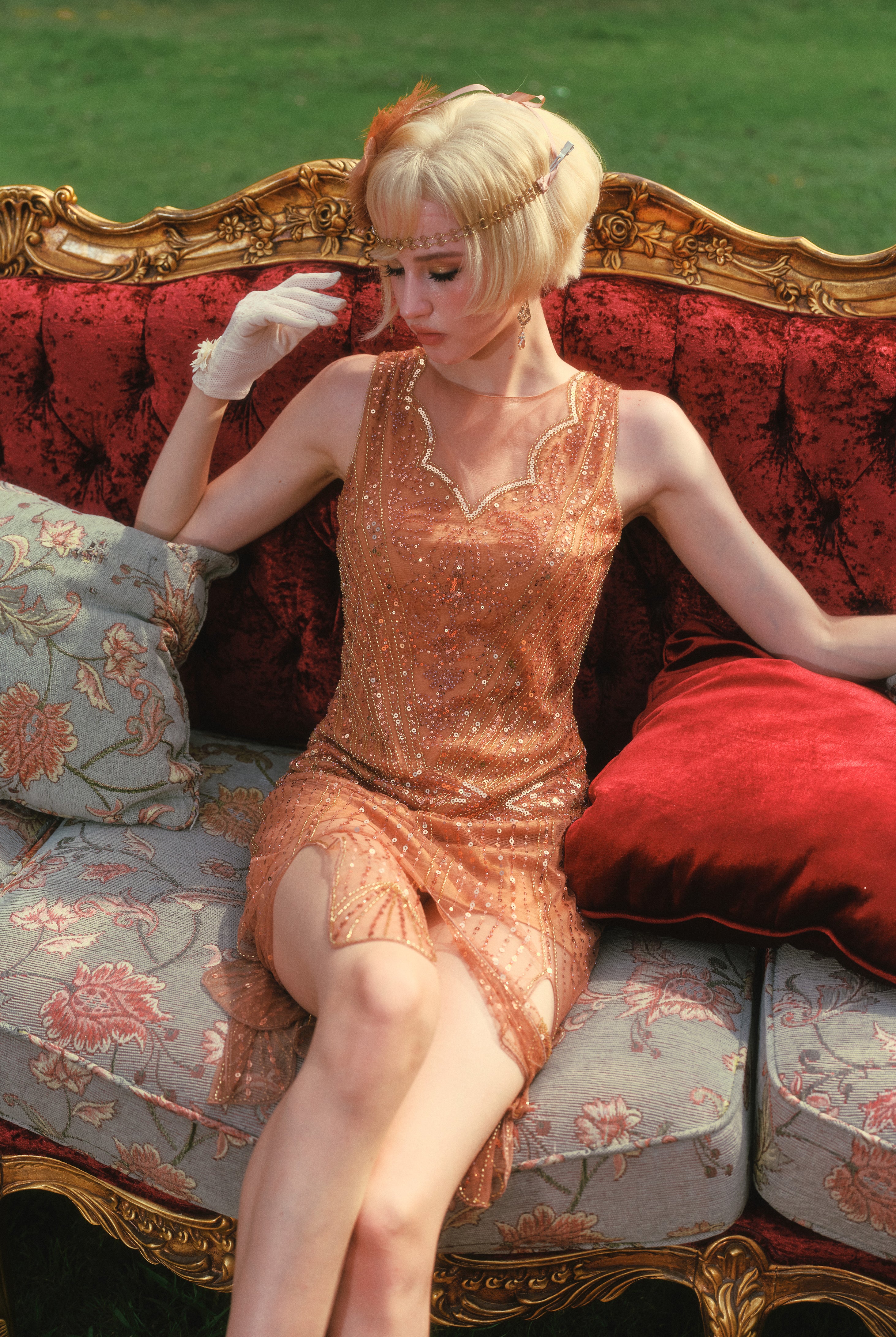
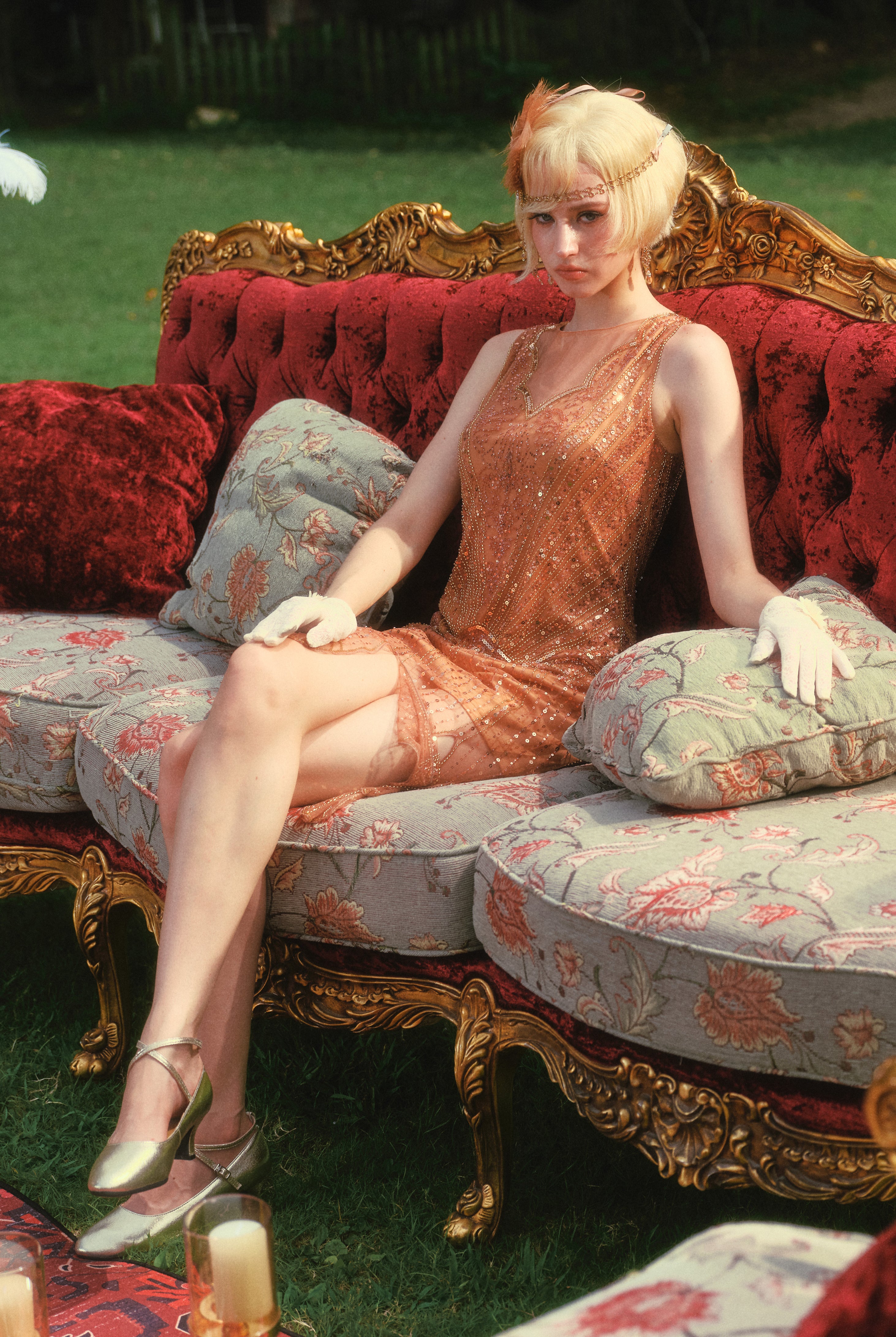
The modern girl of the Jazz Age rejected the restrictive, choking collars of the past. Enter the Sautoir—a dramatically long pearl necklace that often stretched over a meter long. Rather than wearing them with pristine perfection, women purposefully tied them in careless knots at the chest or layered them relentlessly. This casual, almost reckless styling was a silent, visual mockery of strict Victorian etiquette.
The Careless Knot
The modern girl of the Jazz Age rejected the restrictive, choking collars of the past. Enter the Sautoir—a dramatically long pearl necklace that often stretched over a meter long. Rather than wearing them with pristine perfection, women purposefully tied them in careless knots at the chest or layered them relentlessly. This casual, almost reckless styling was a silent, visual mockery of strict Victorian etiquette.
Kinetic Energy
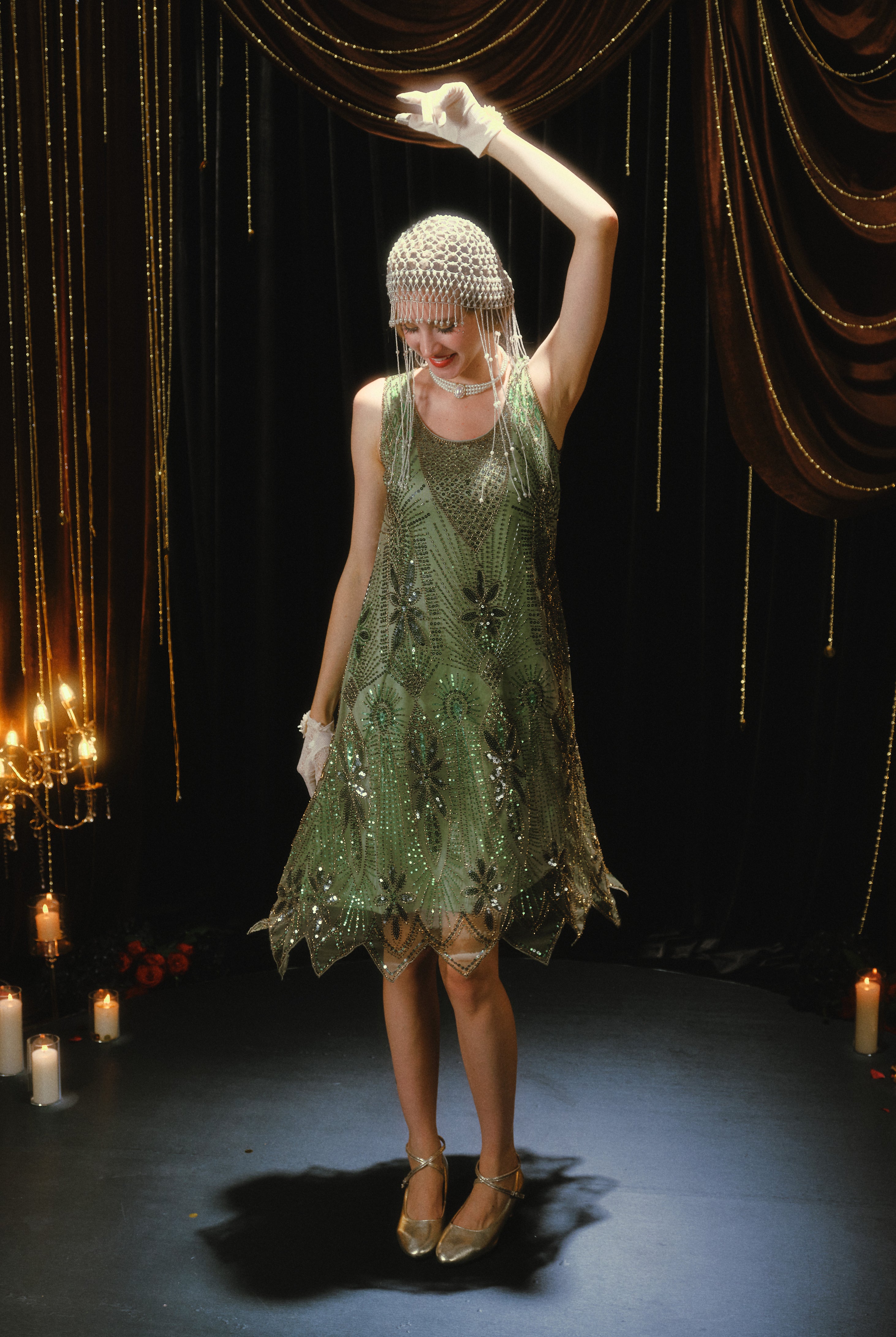
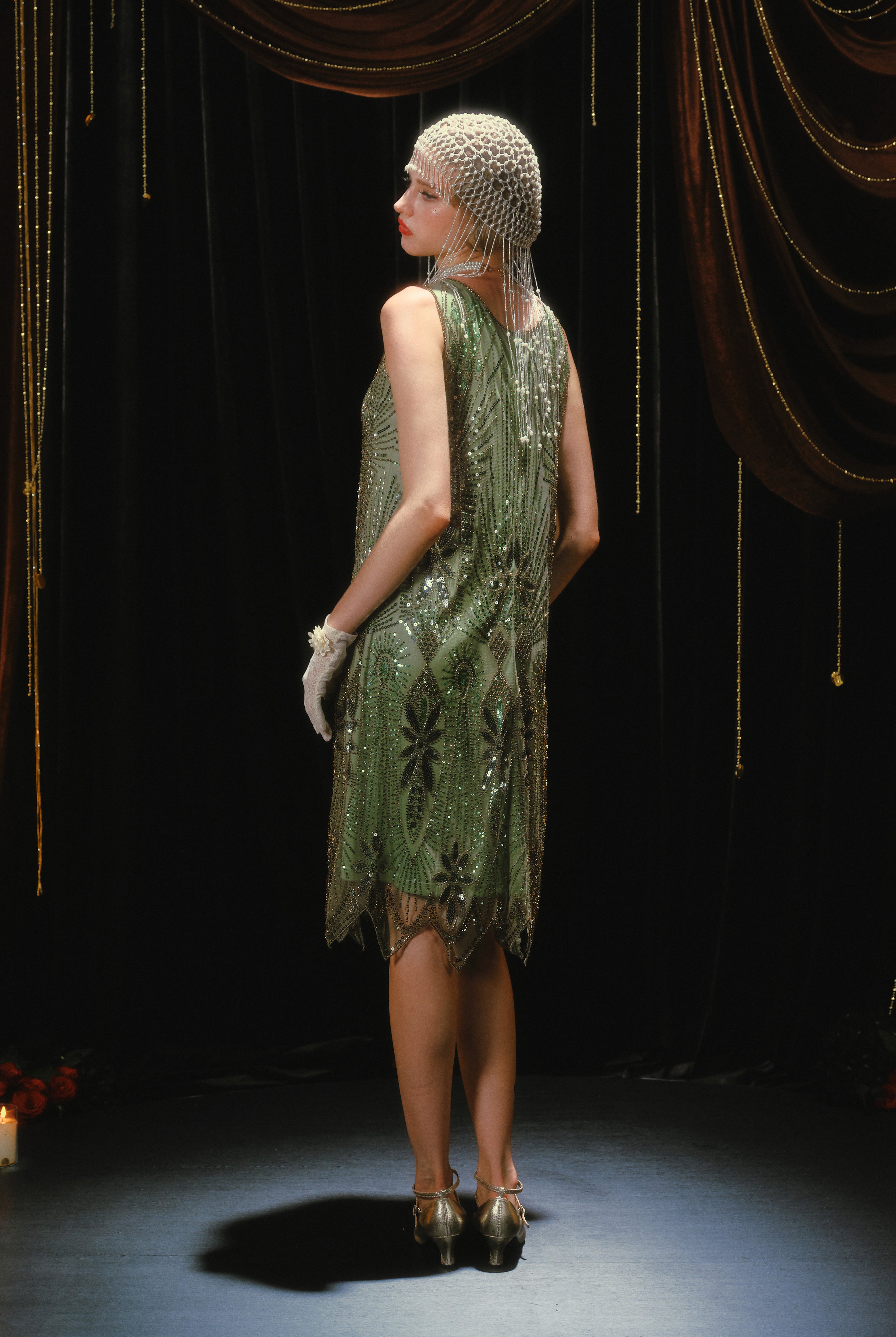
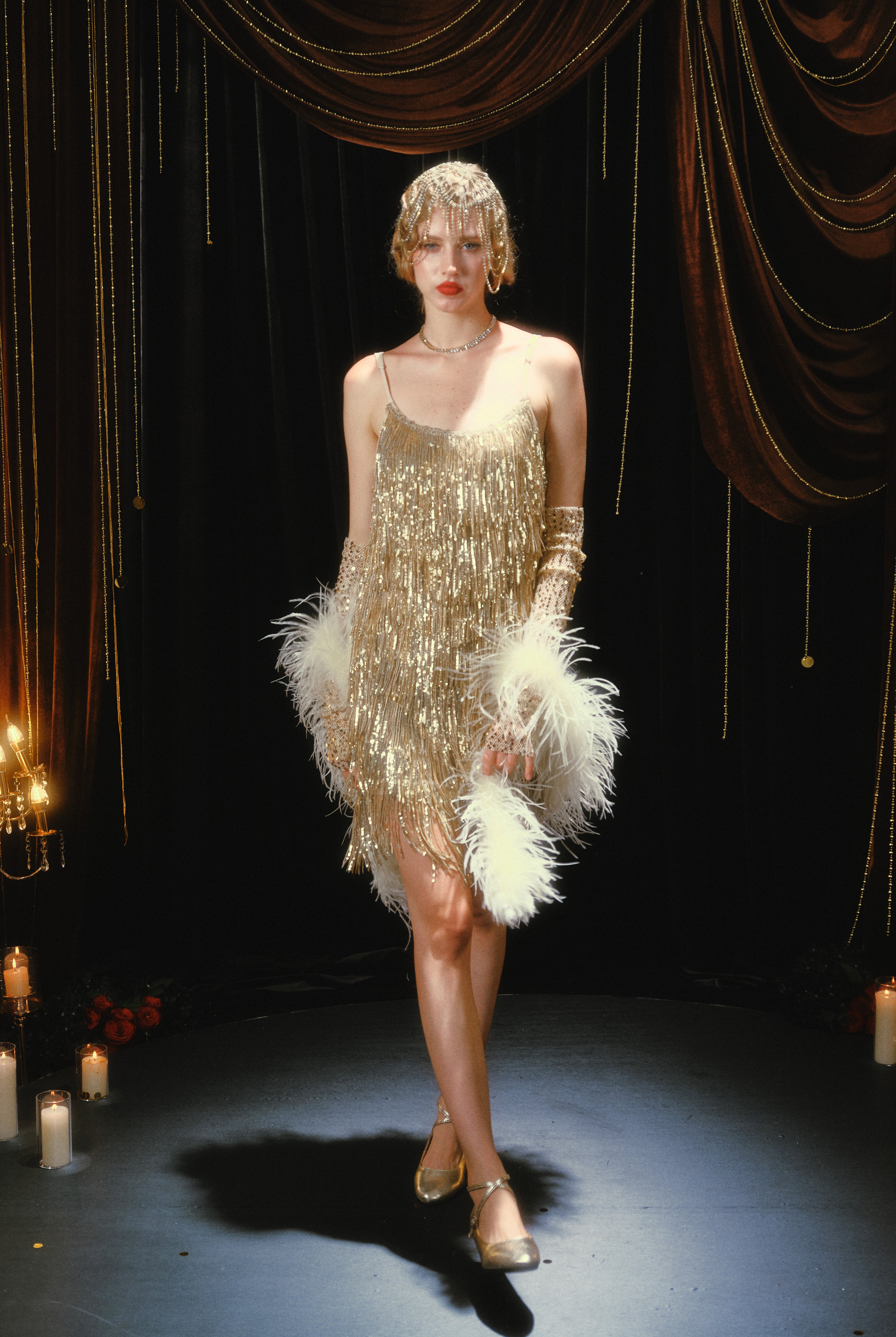
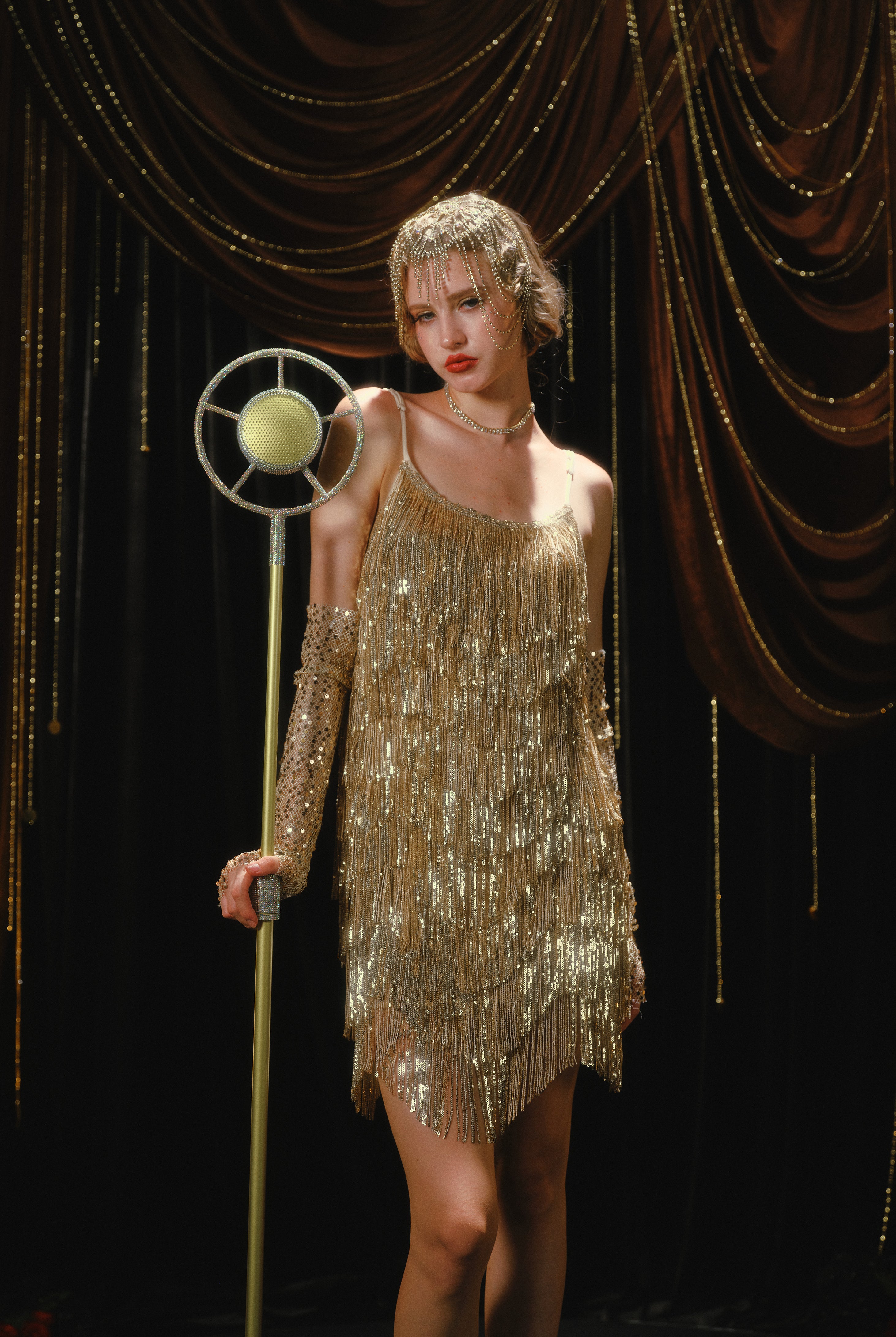
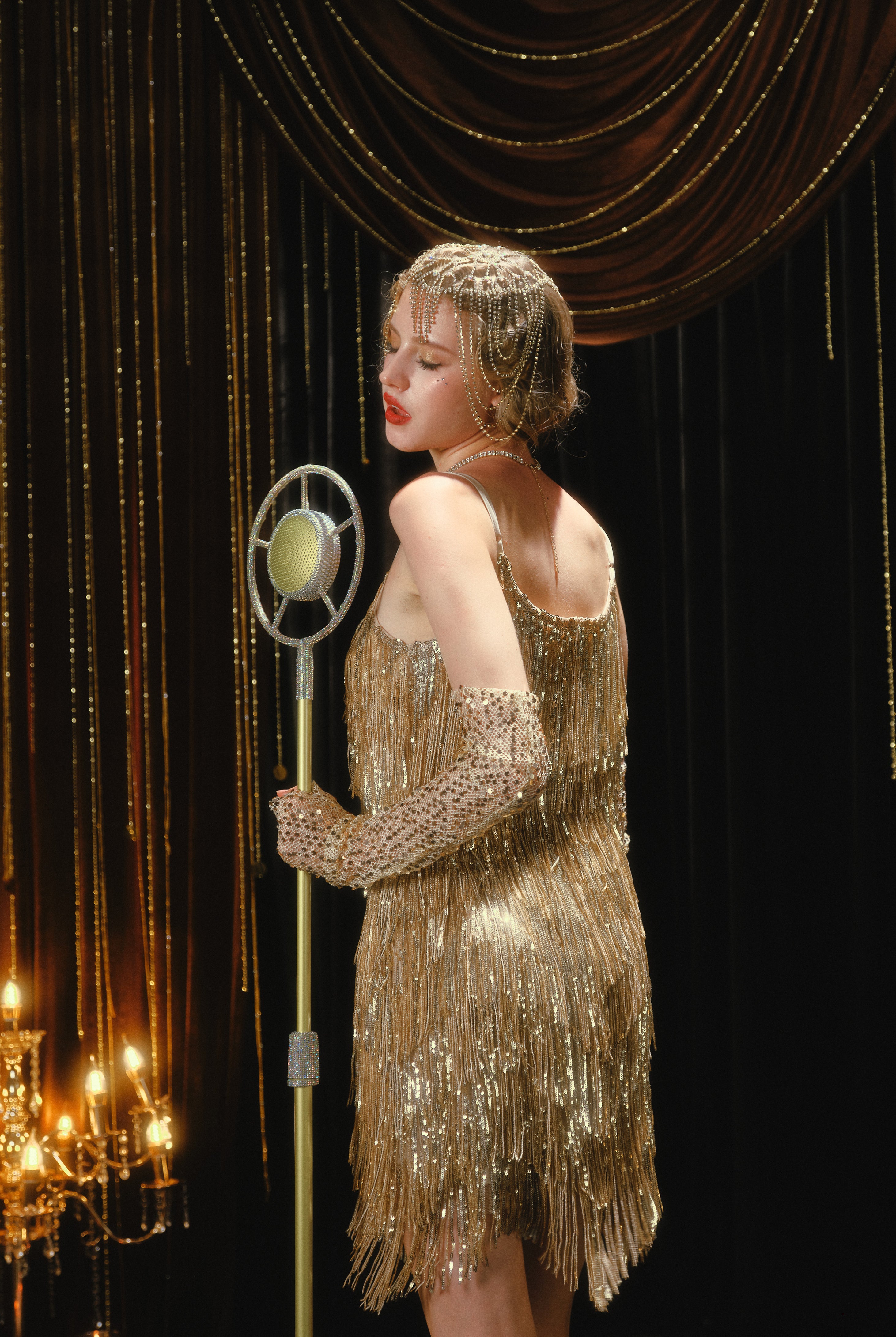
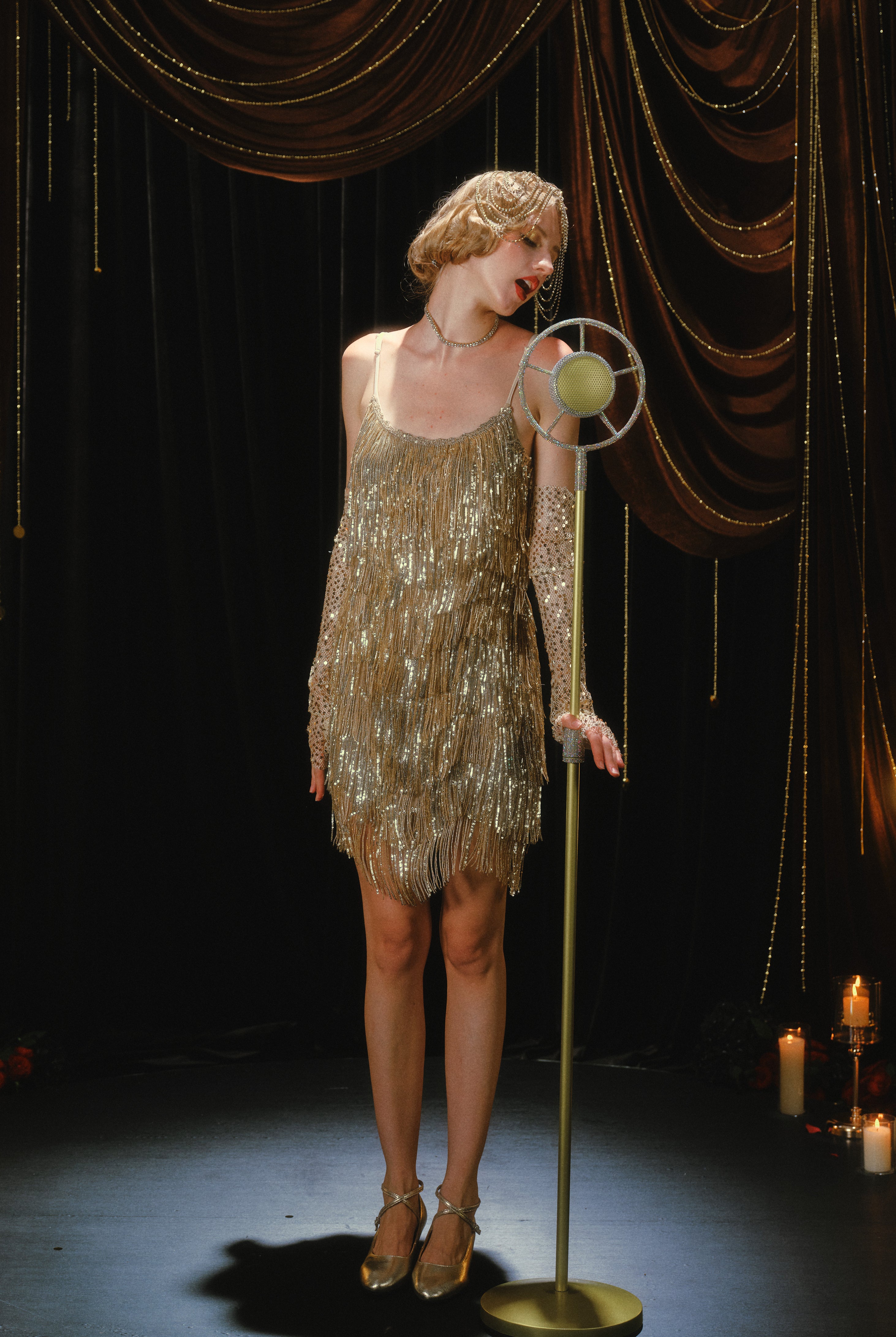
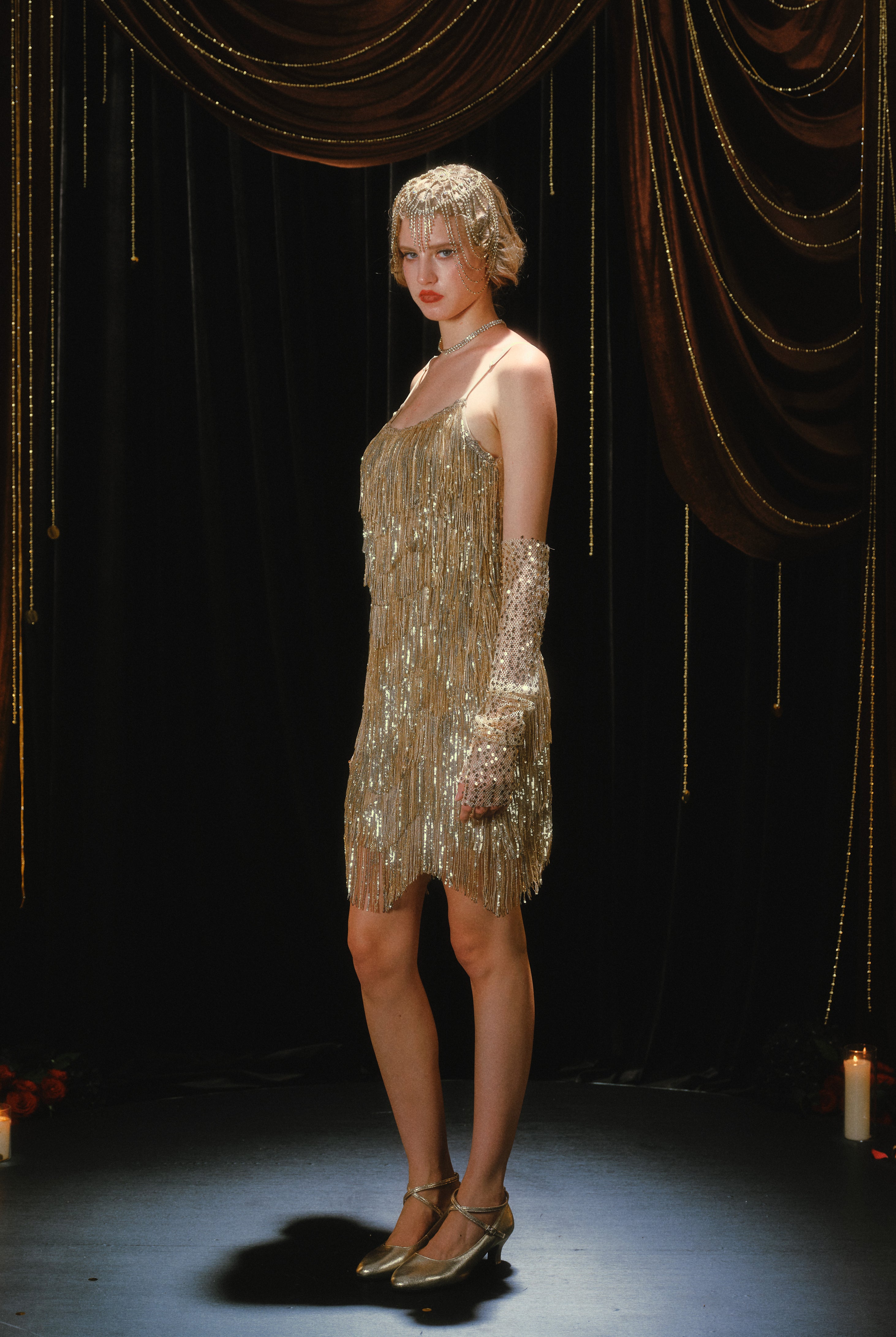
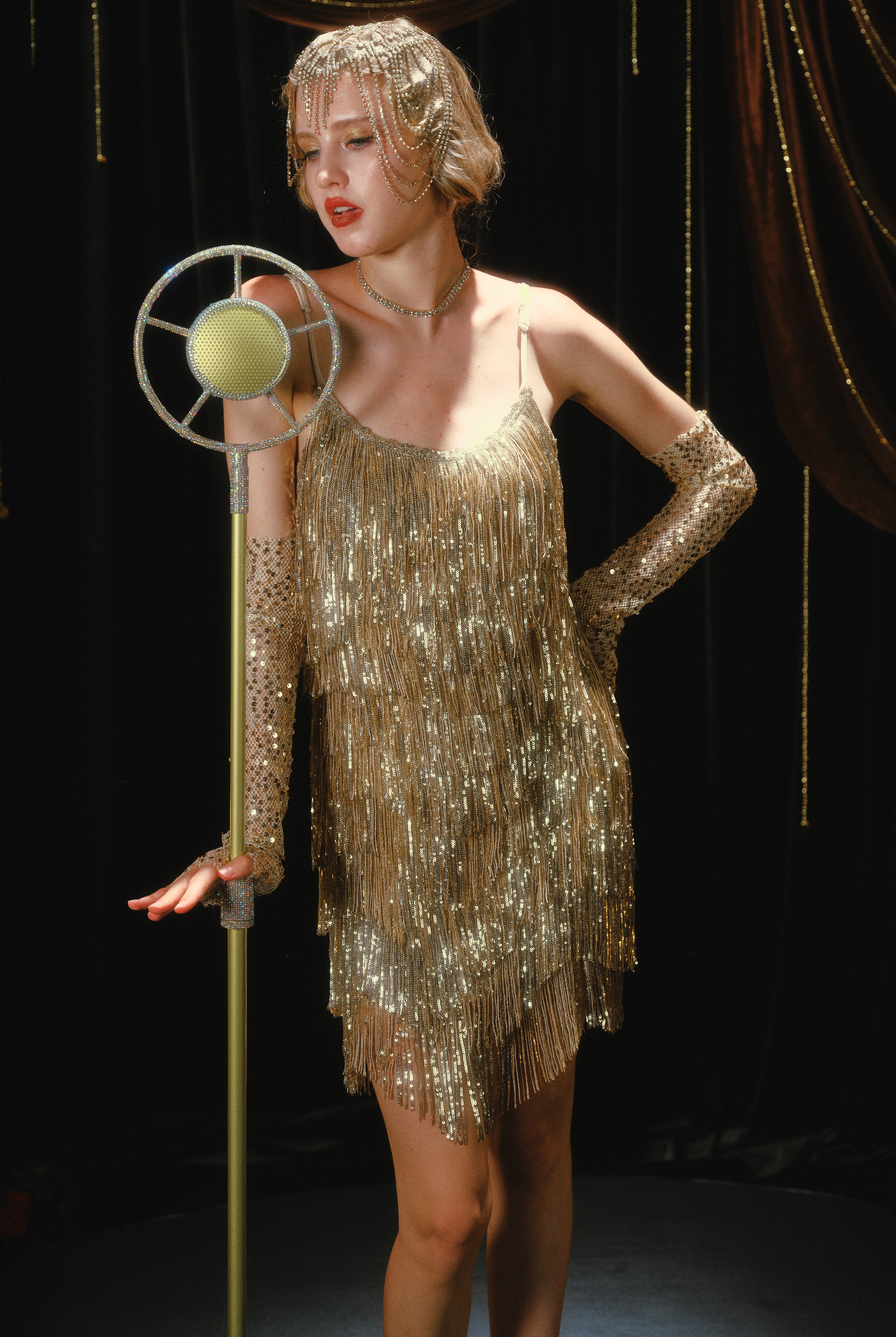
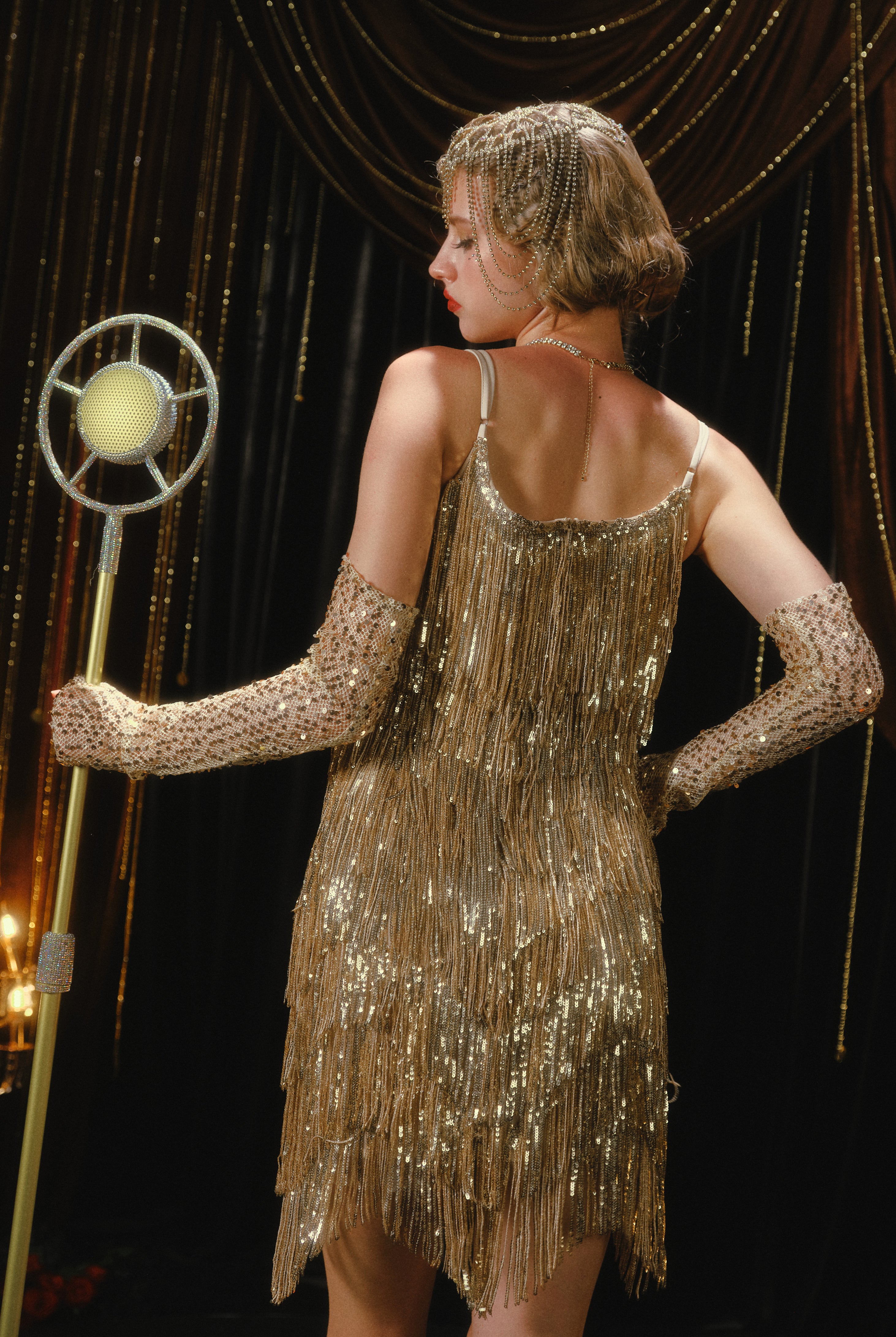
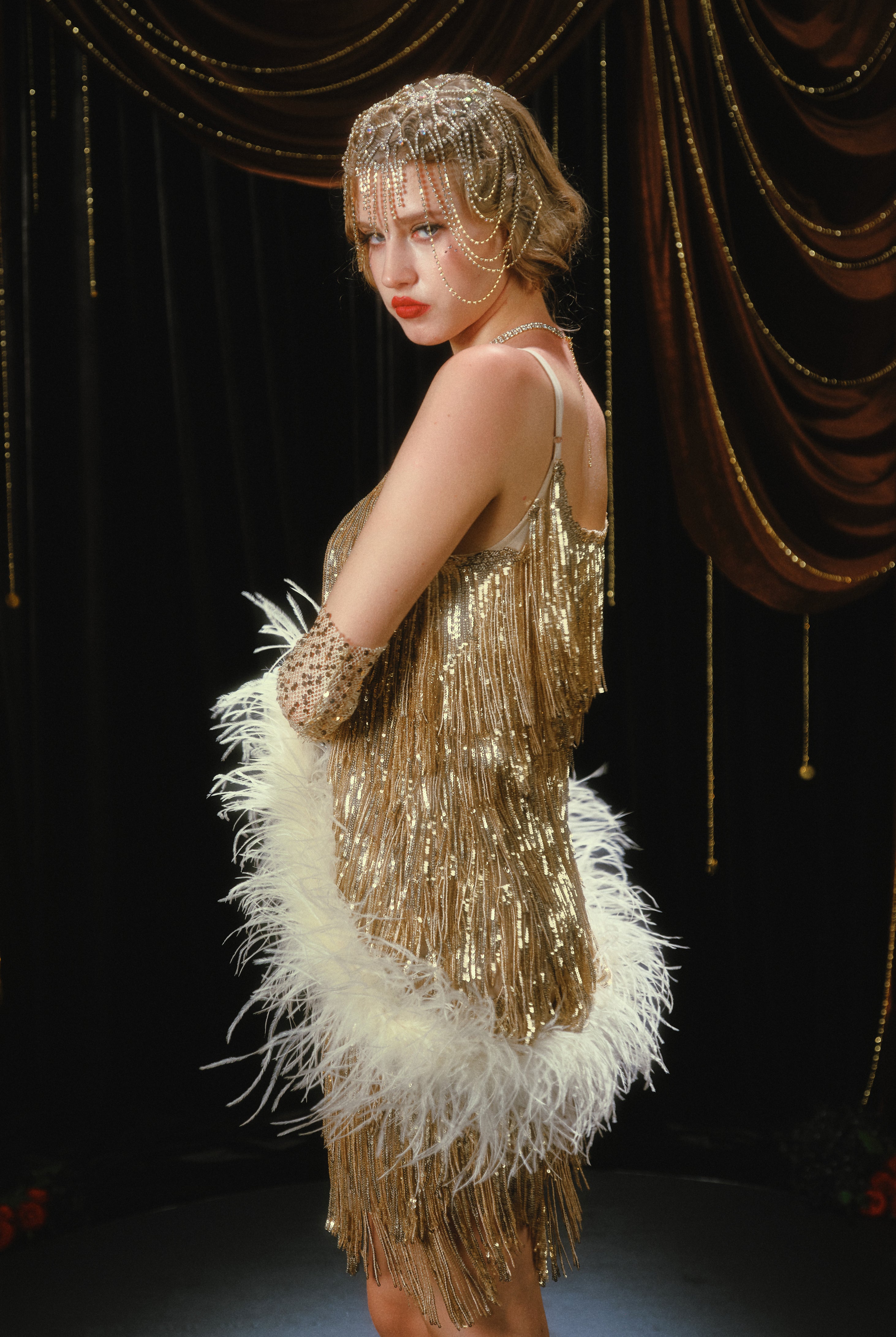
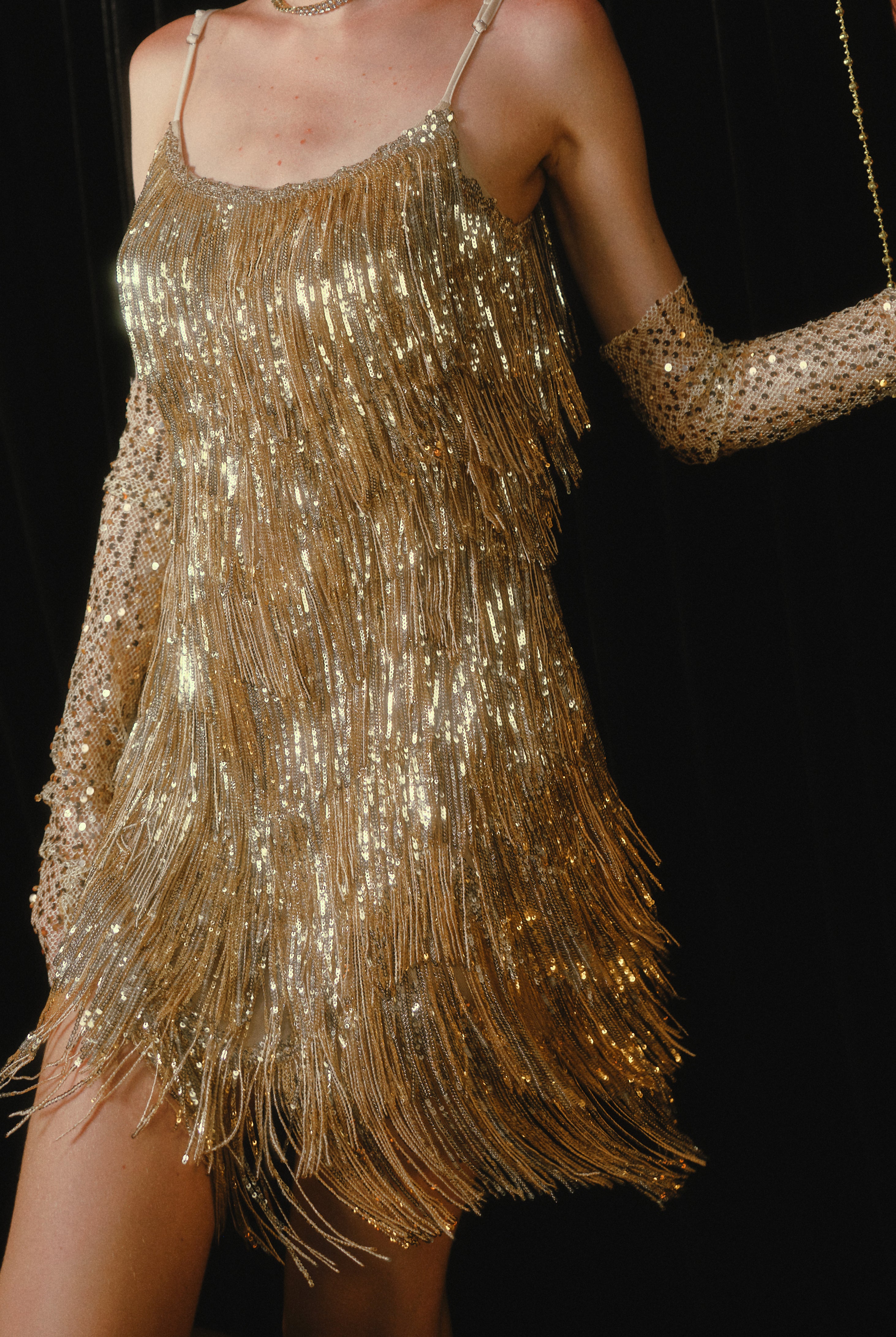
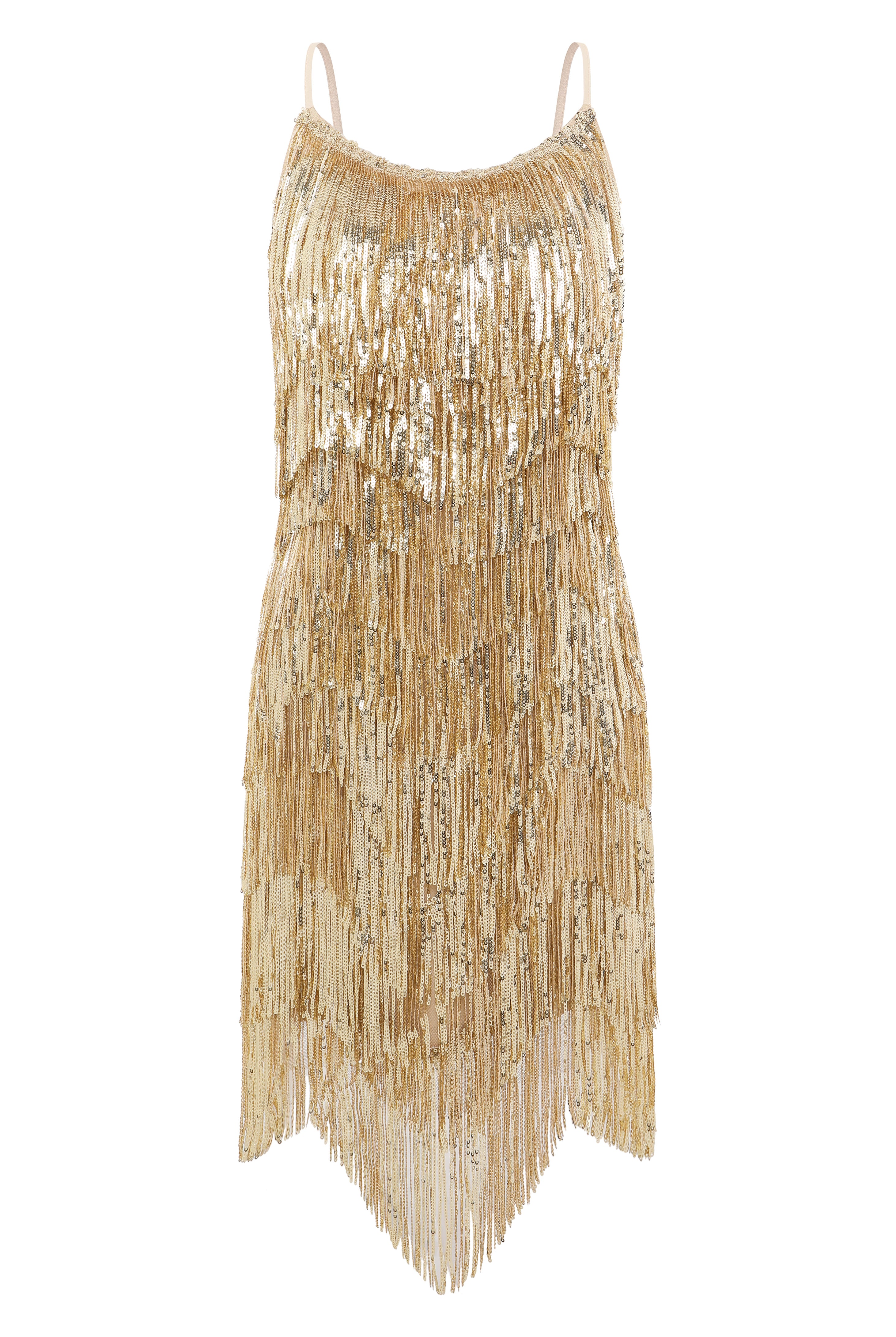
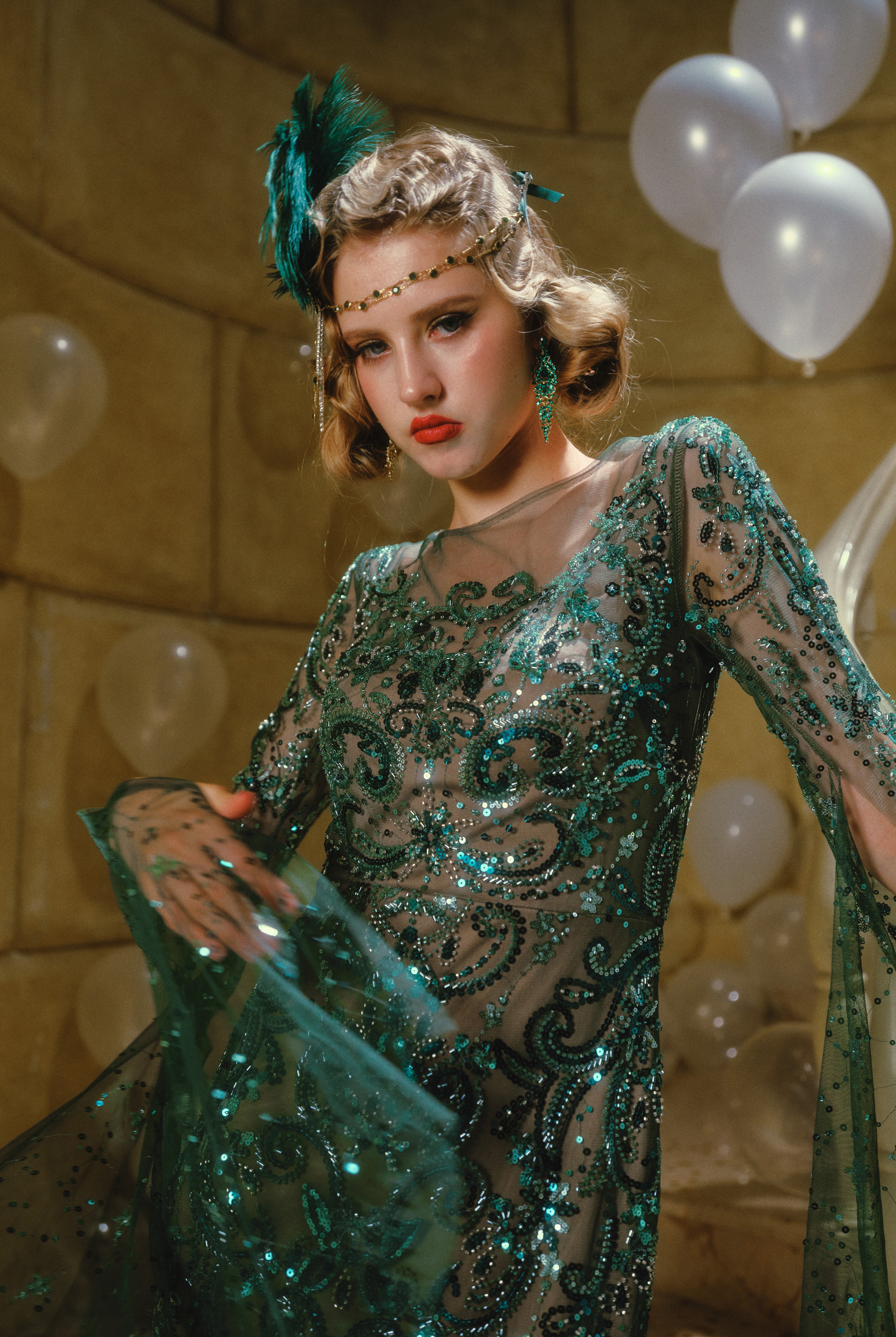
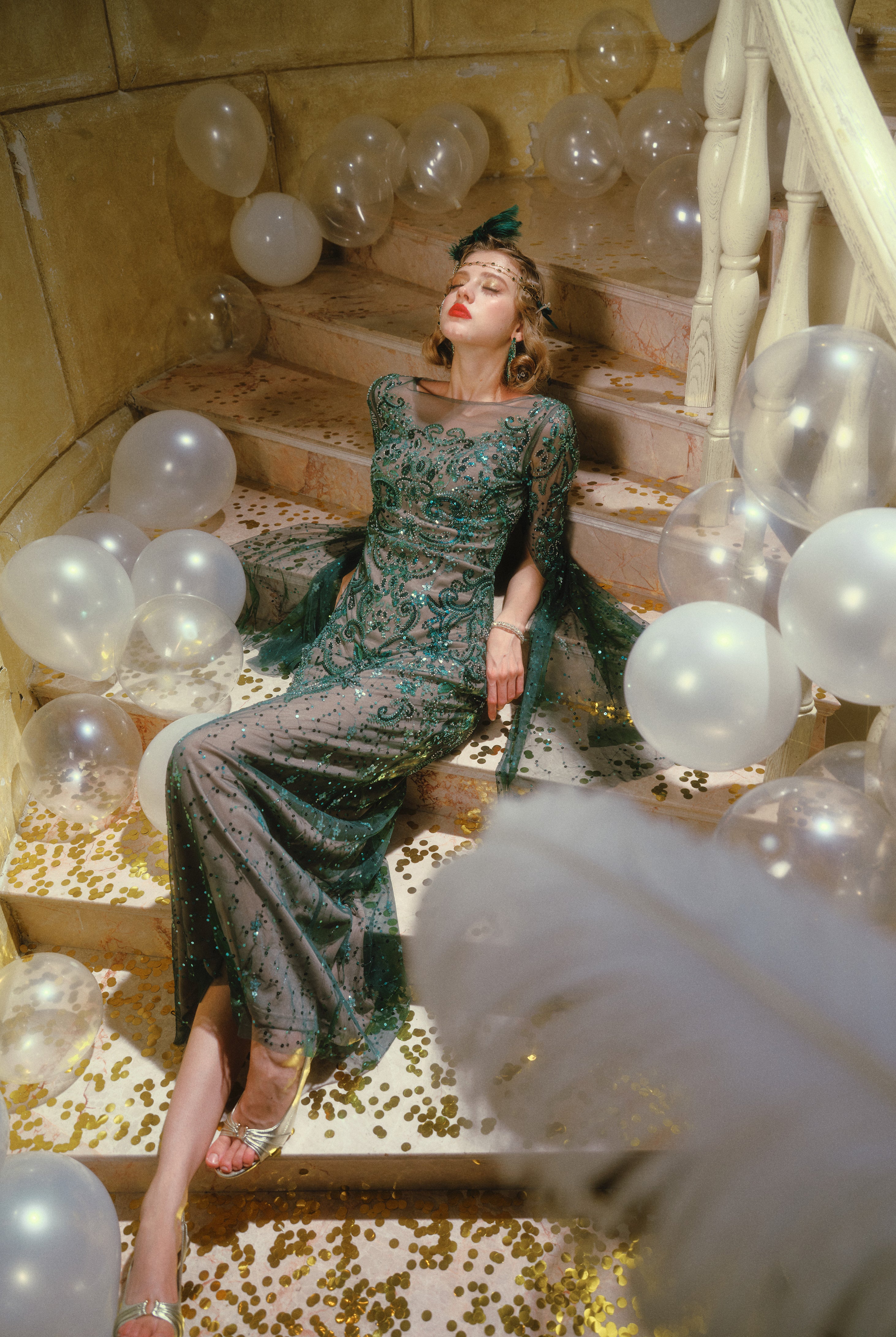
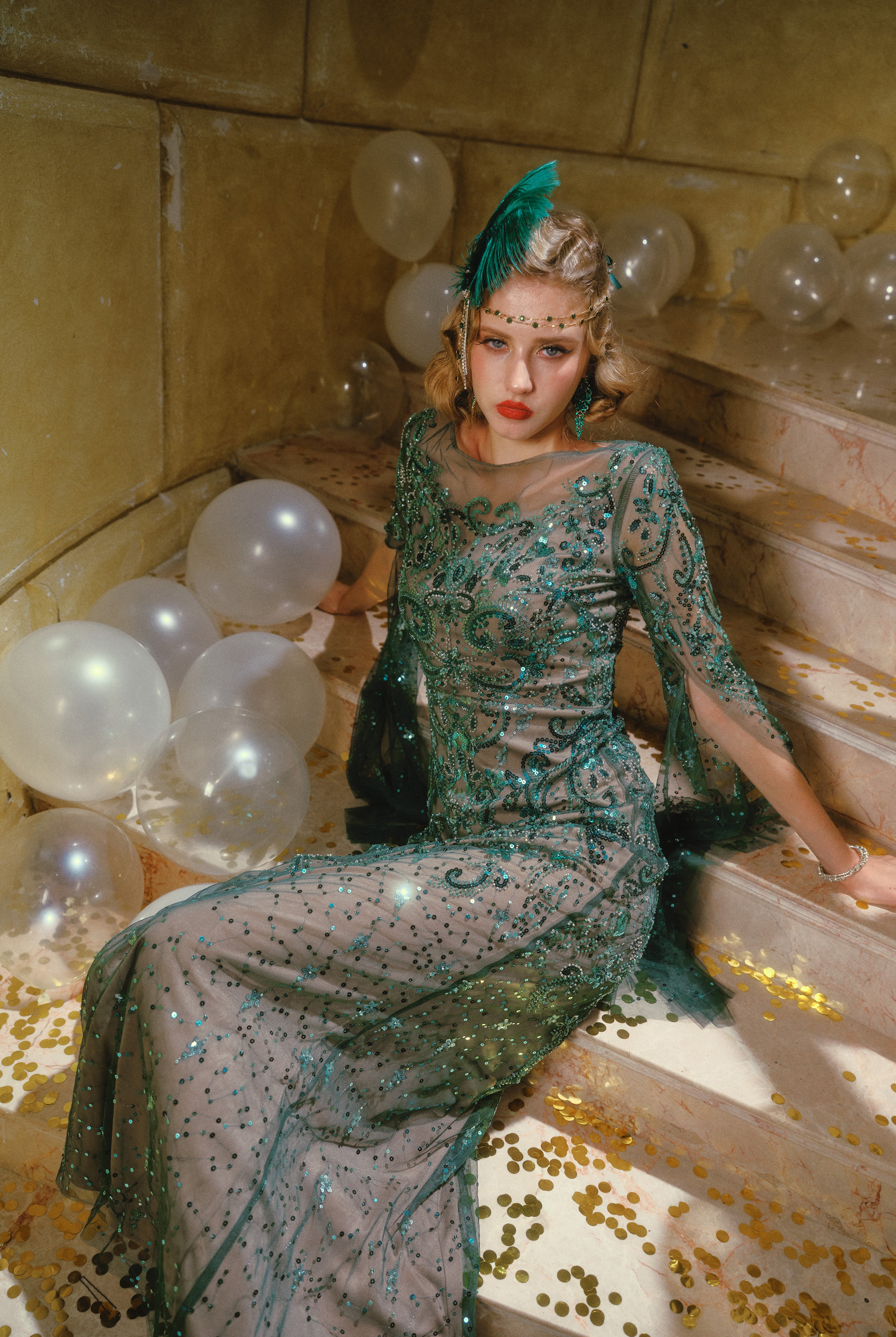
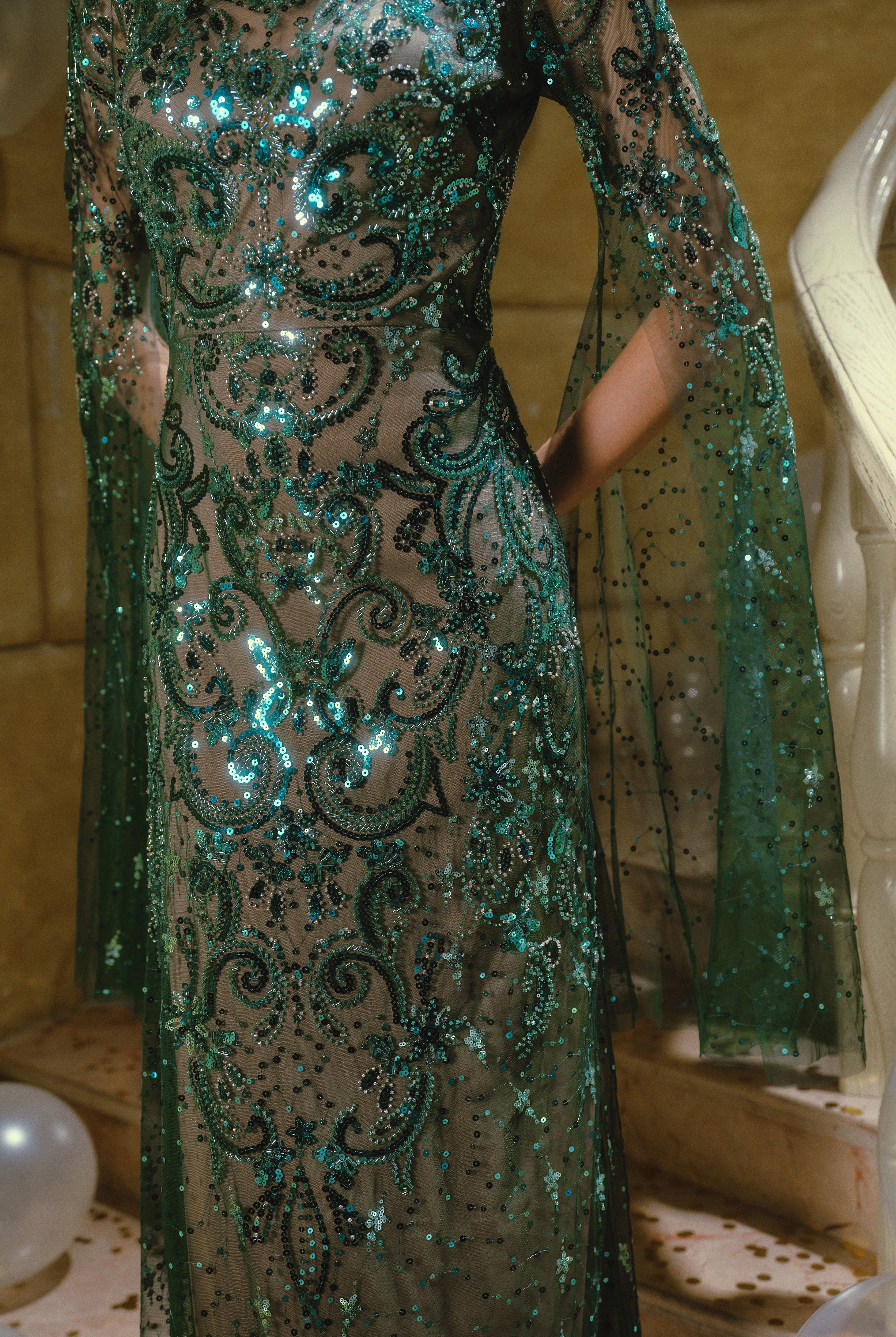
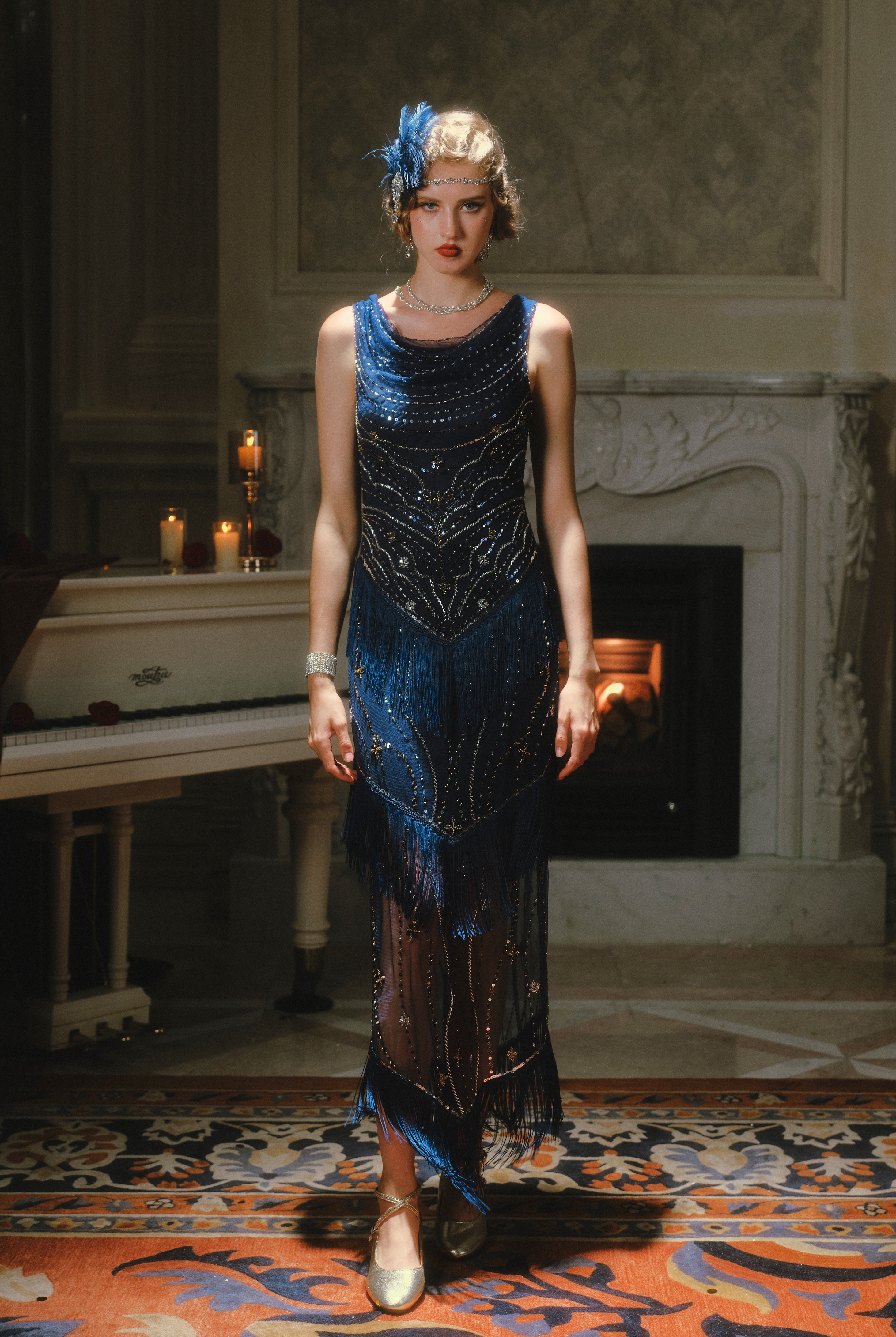
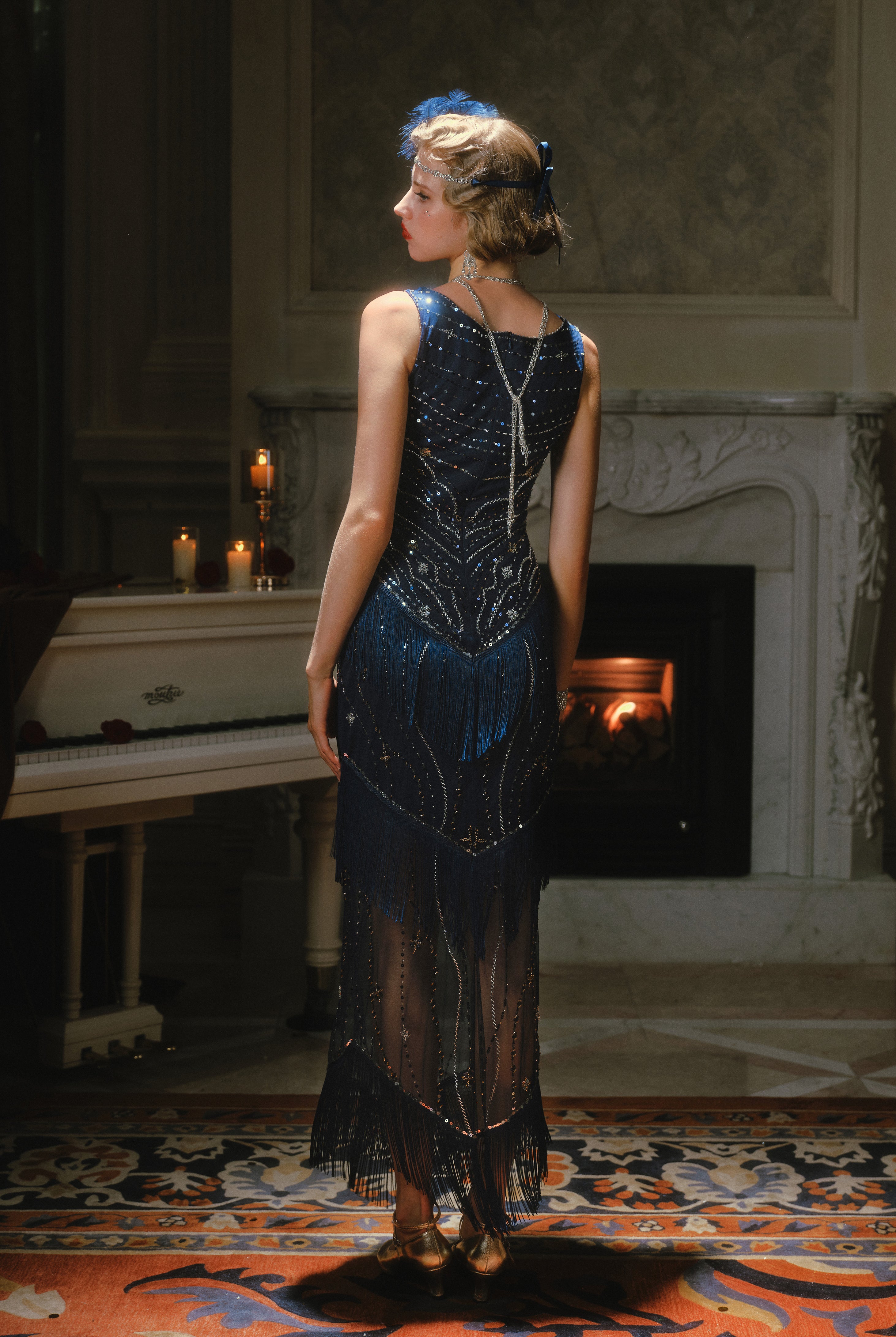
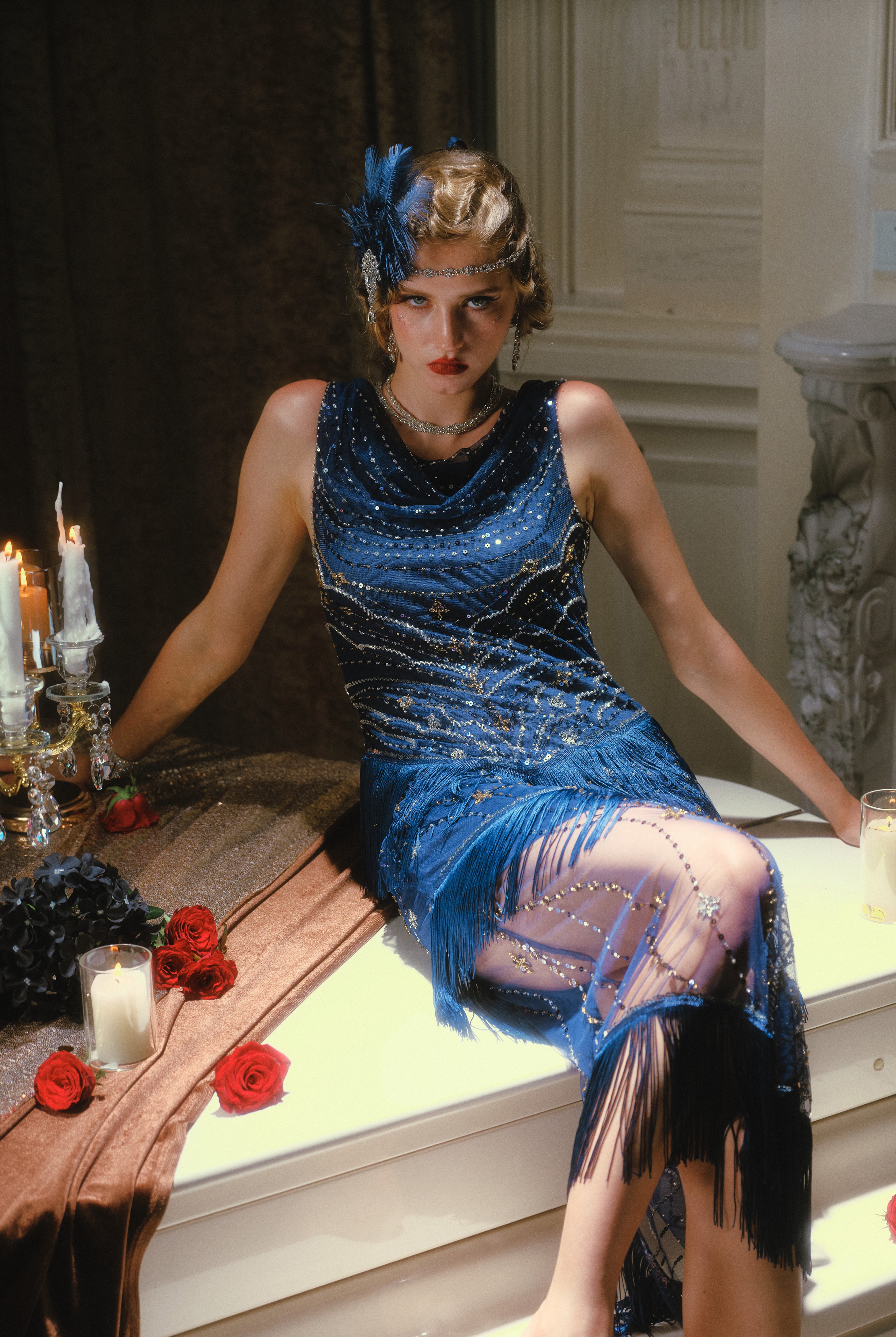
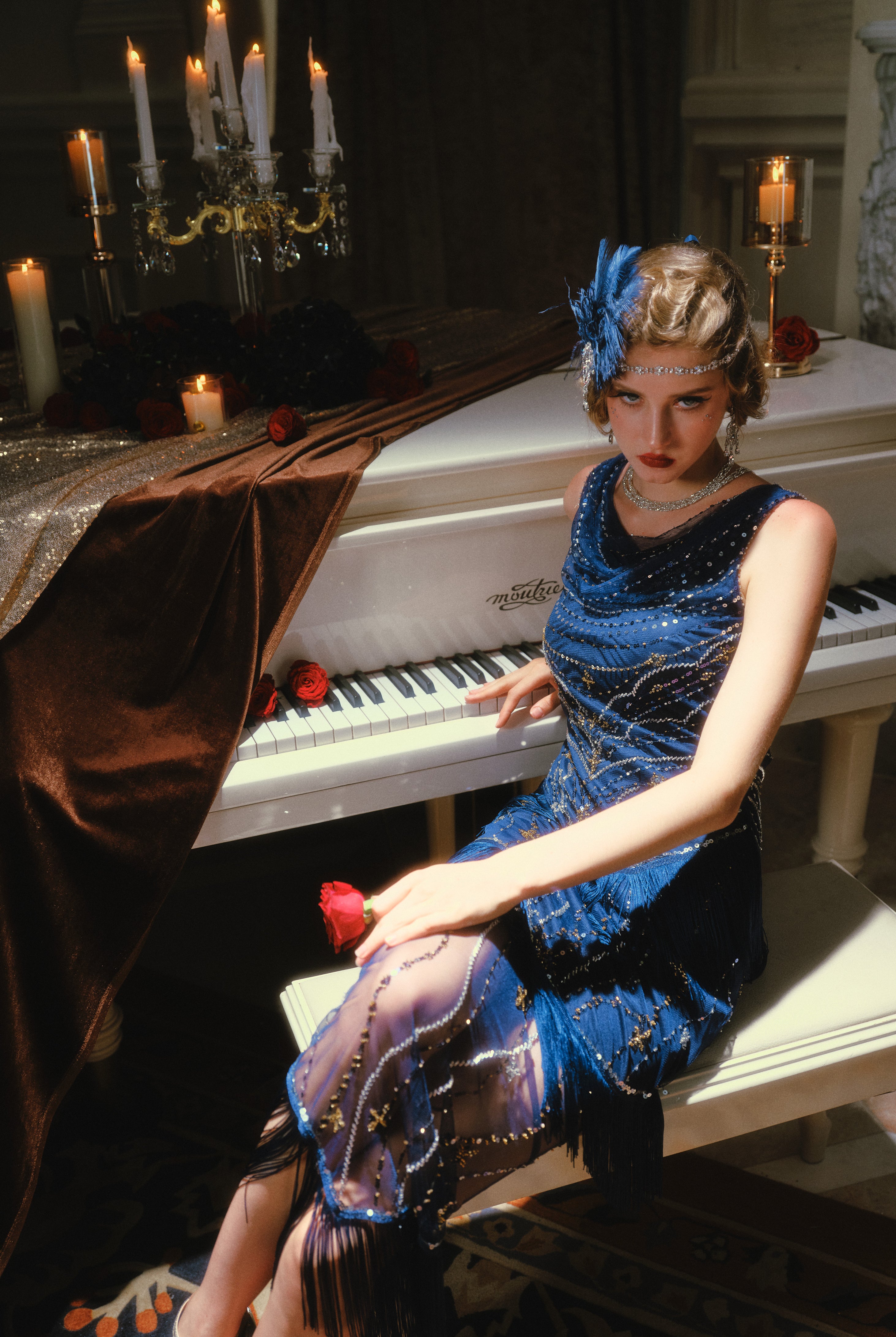
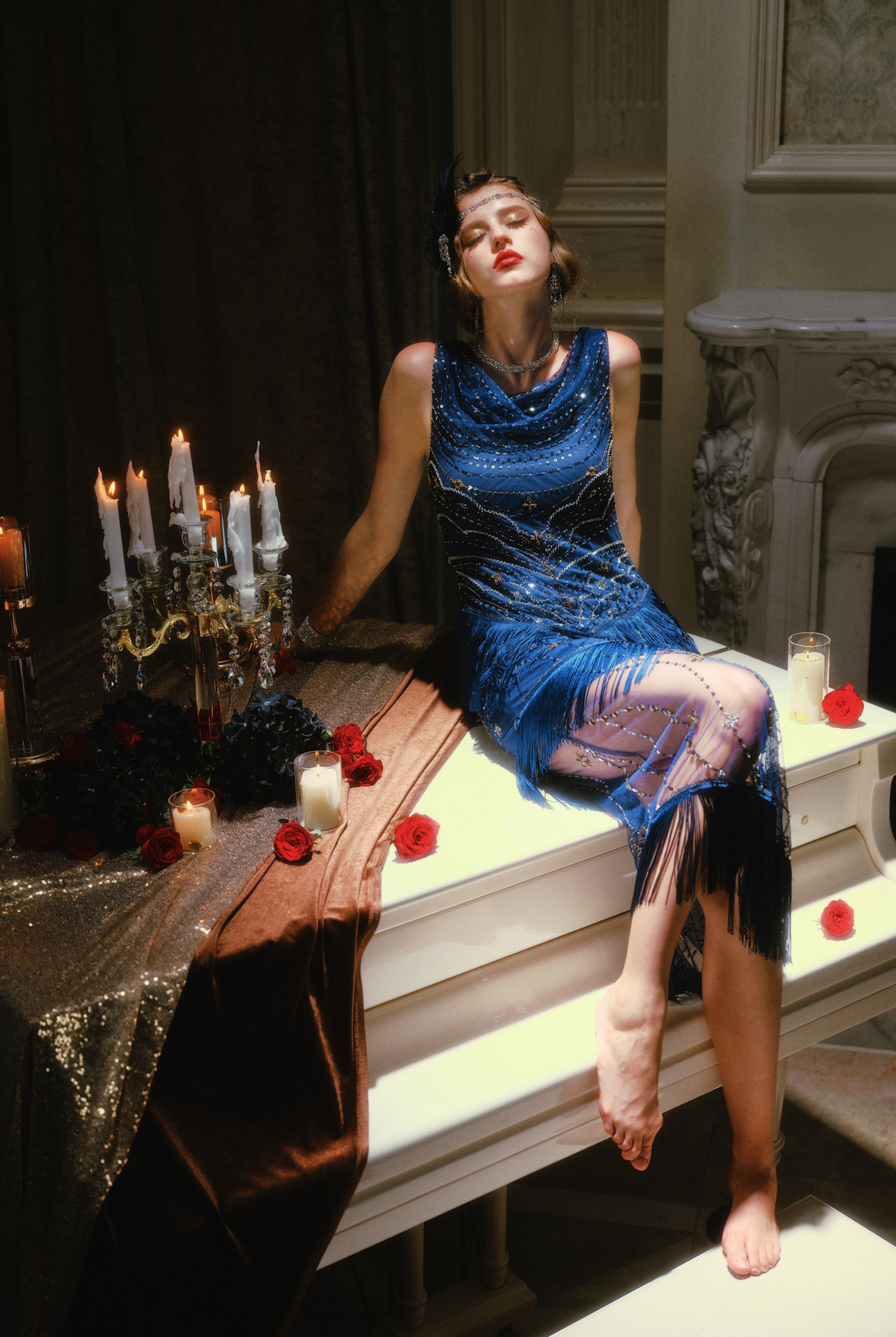
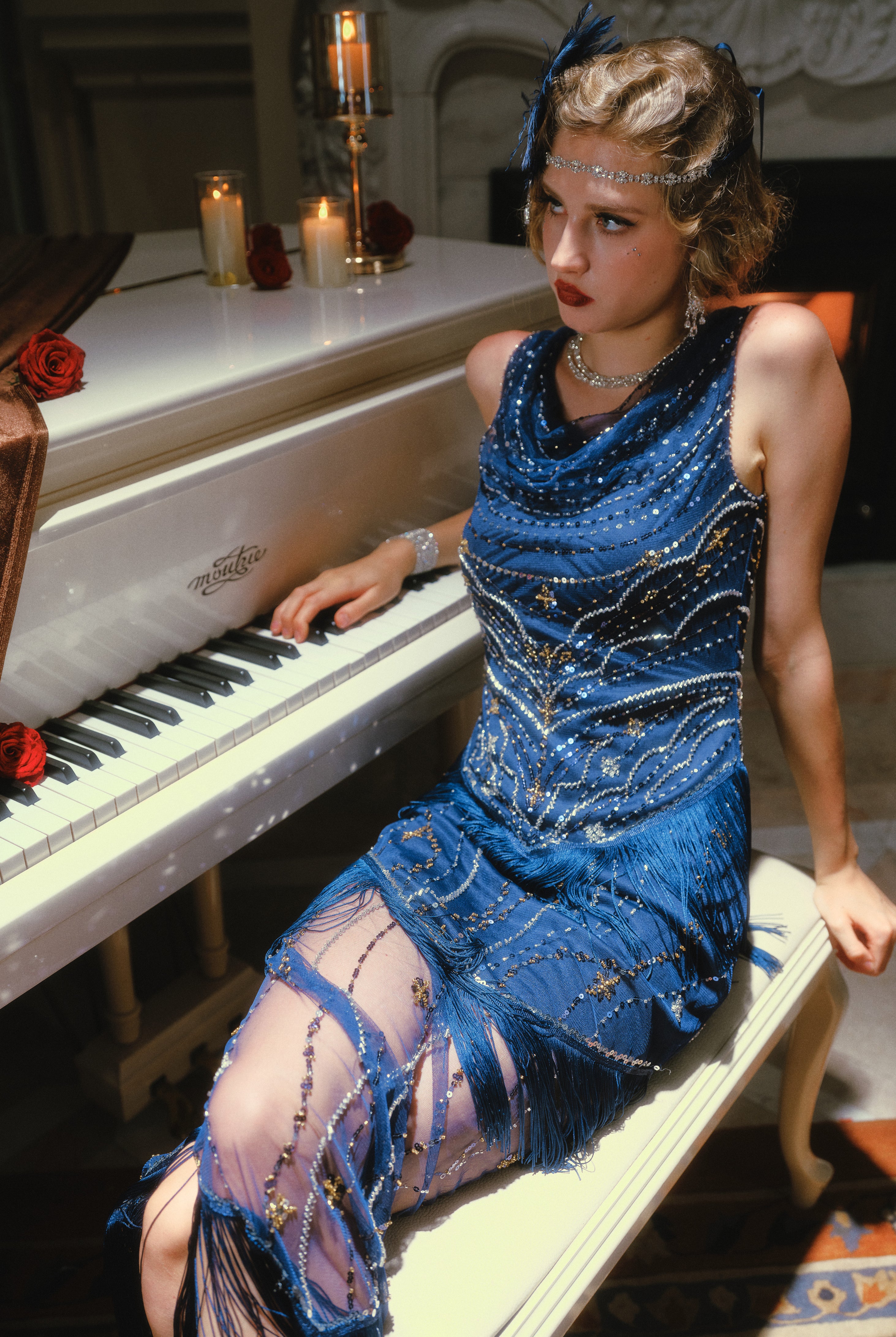
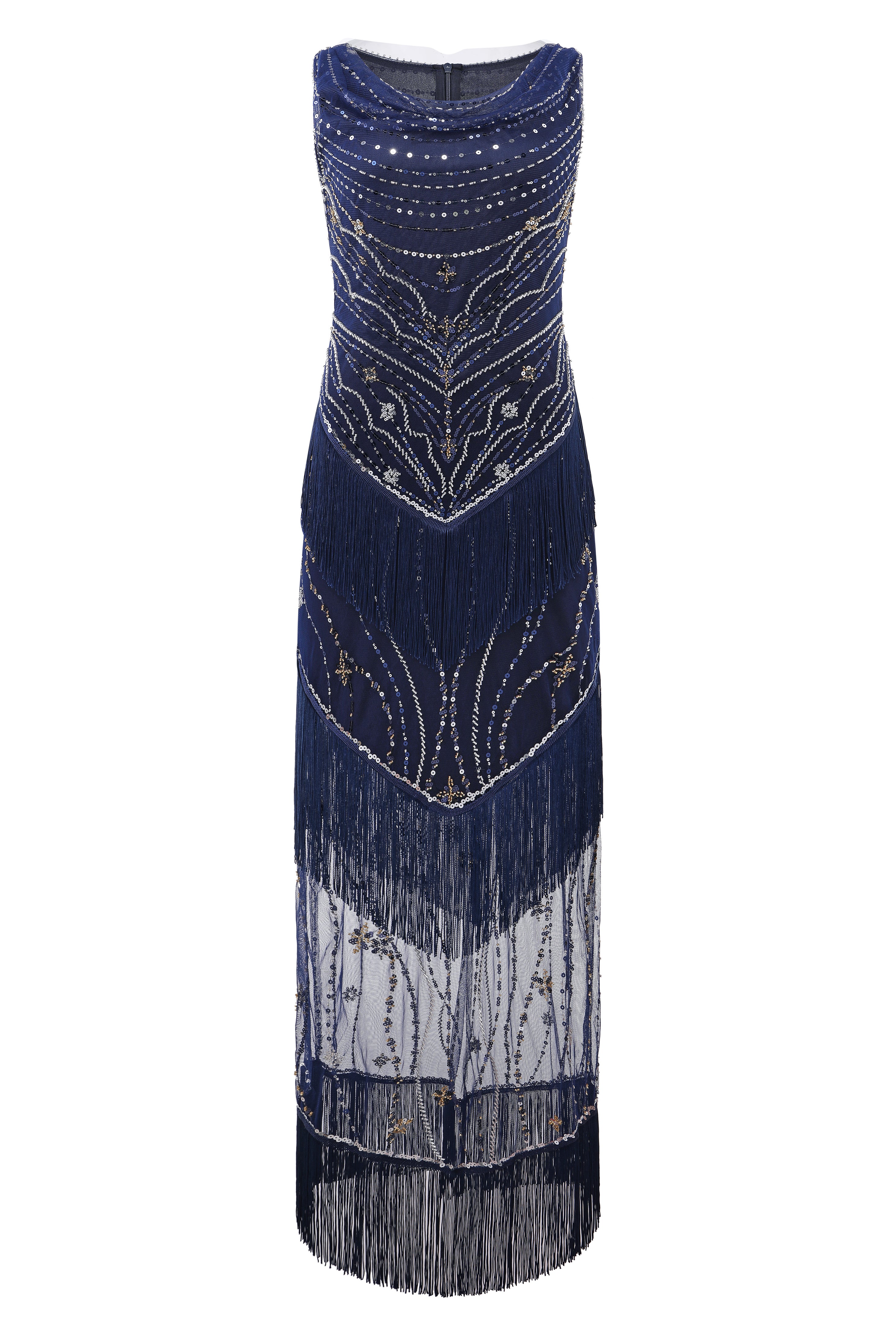
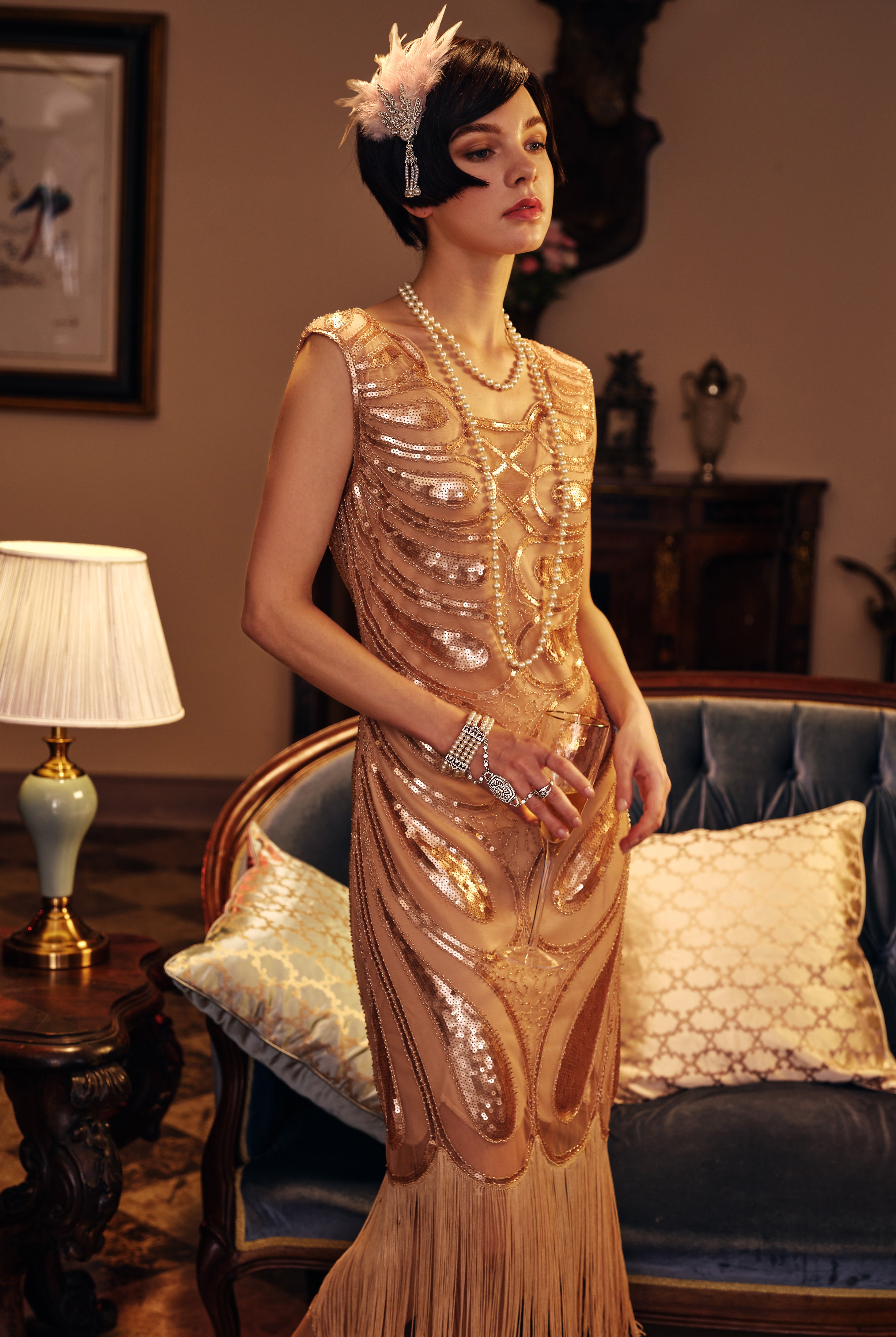
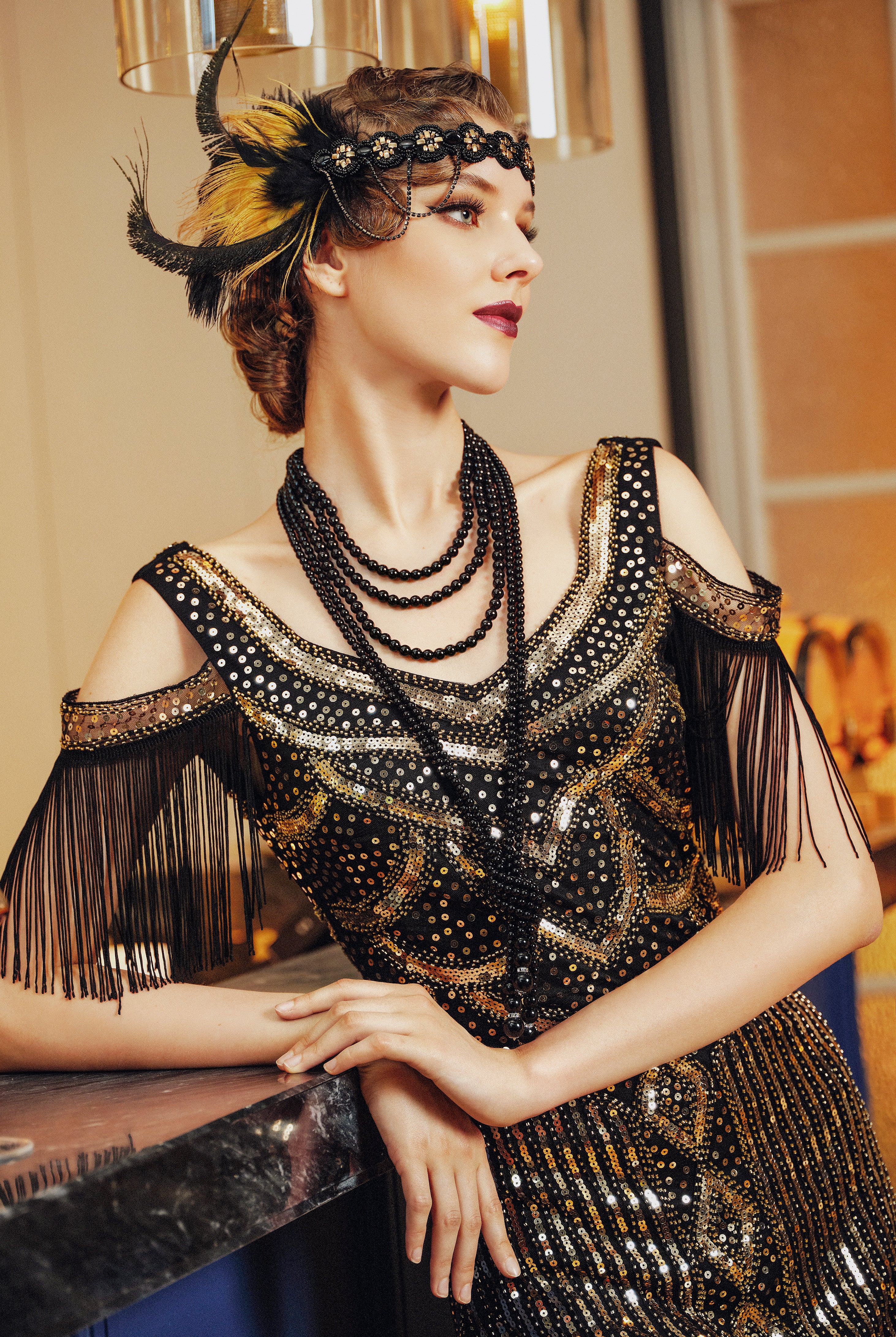
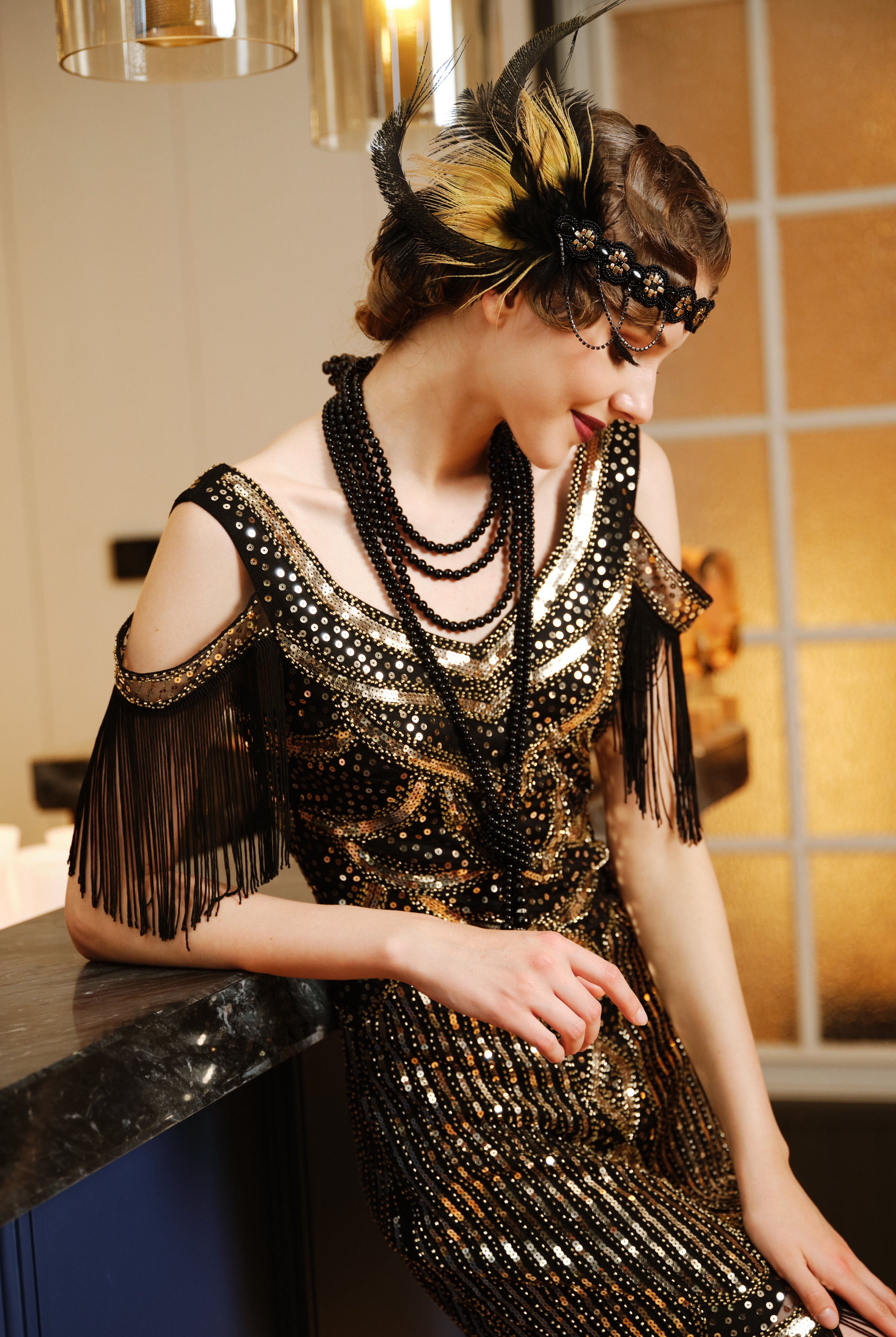
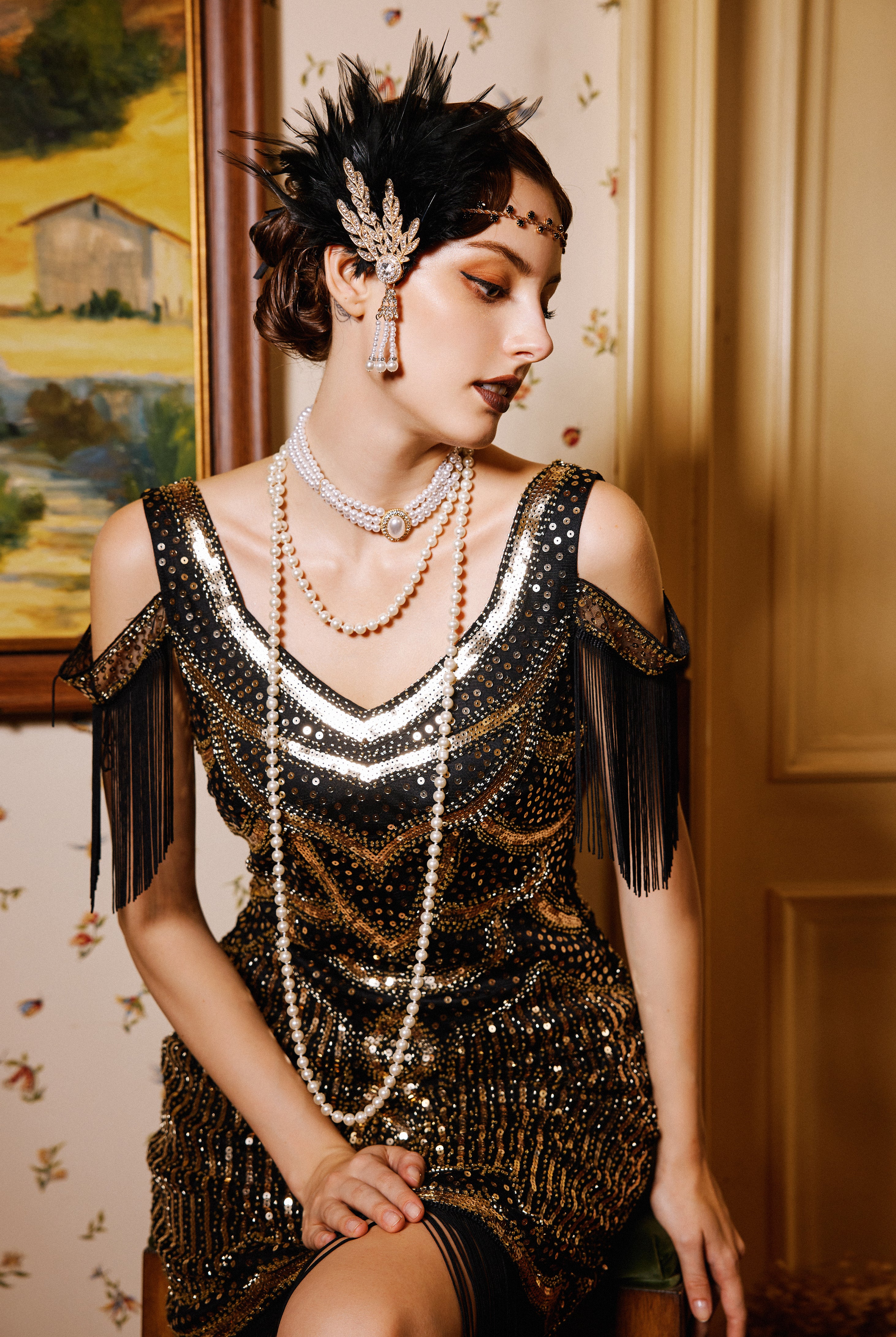
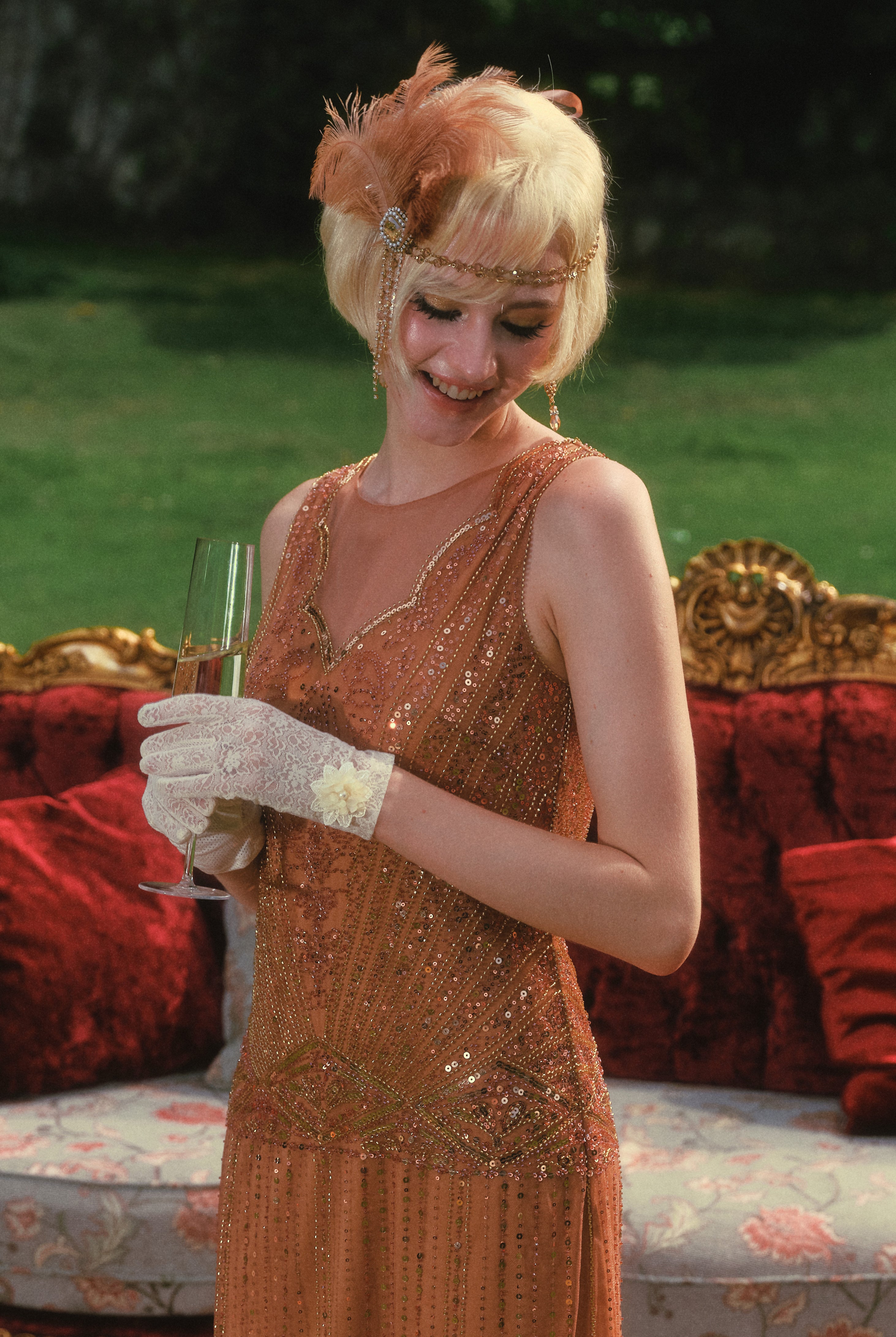
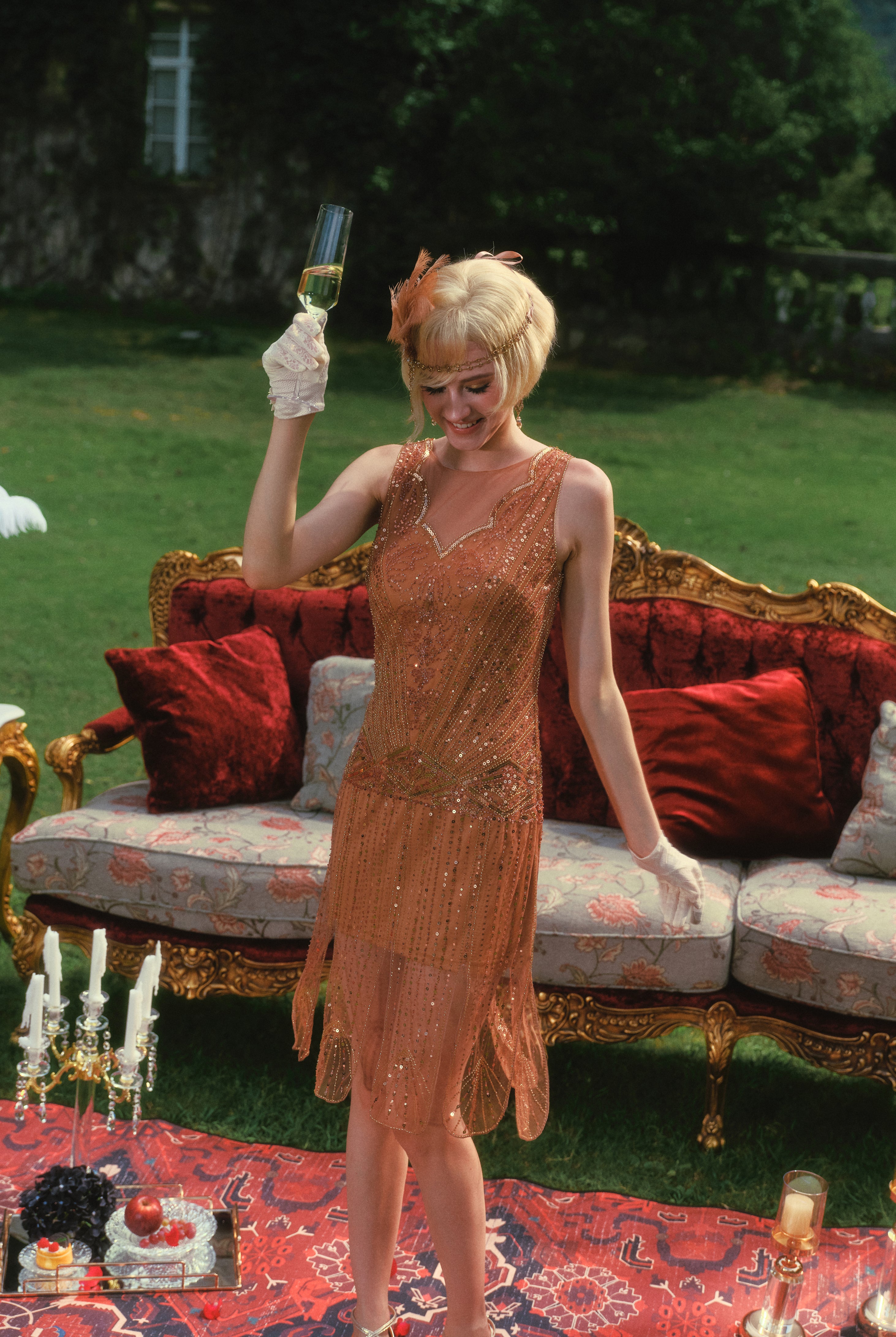
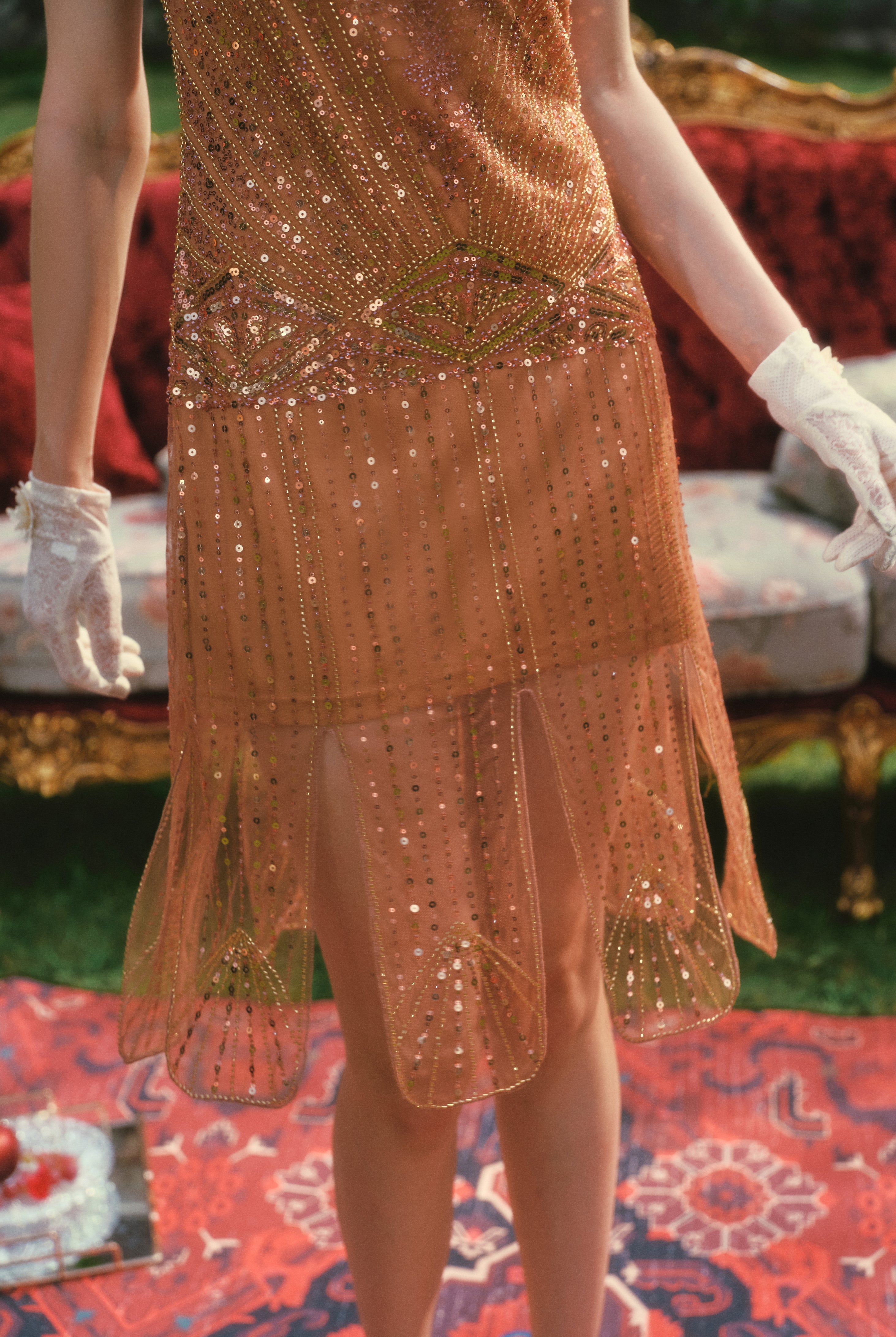
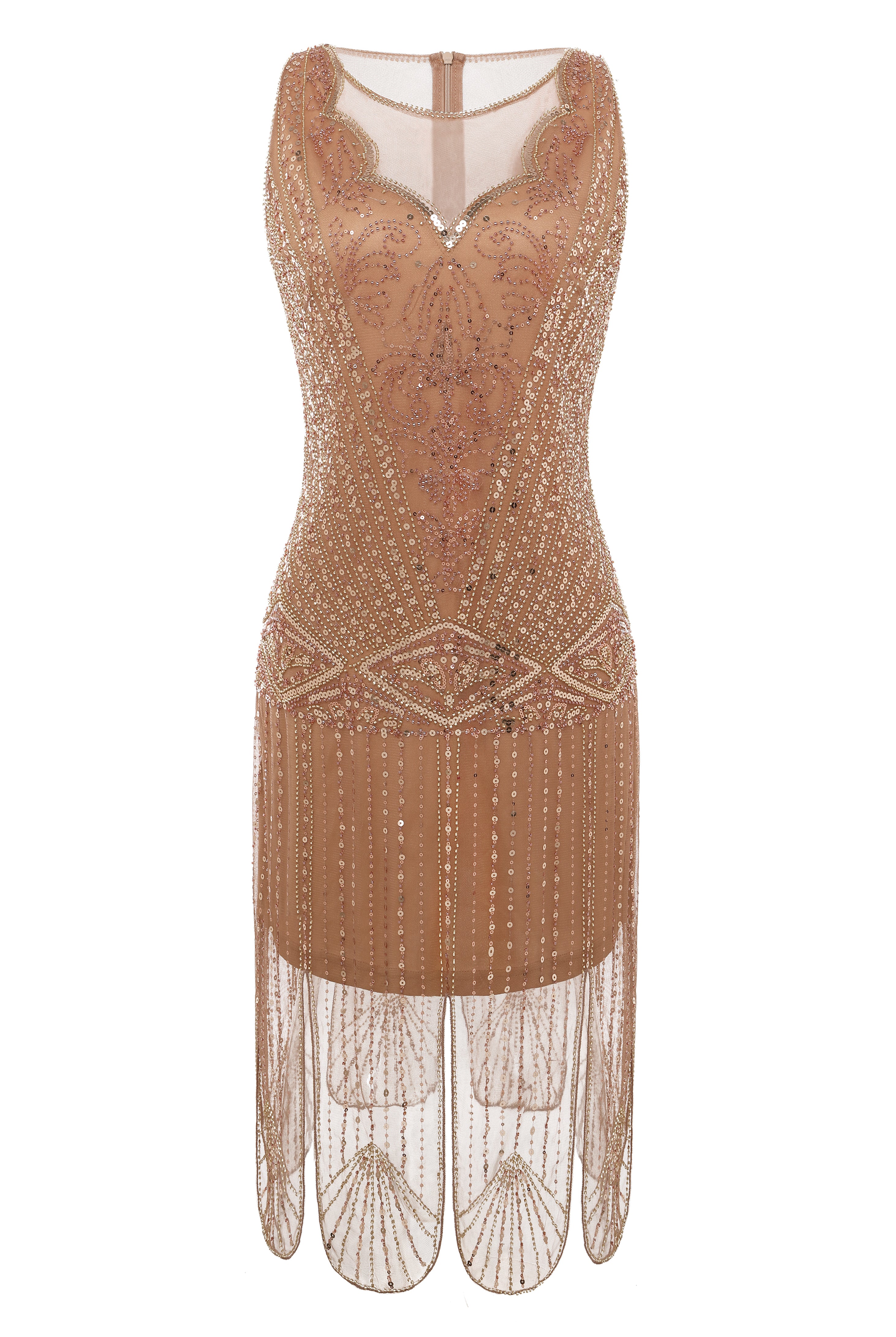
These women didn't want static beauty; they craved movement. In dimly lit speakeasies, as they danced the frantic Charleston, the knotted pearl chains swung wildly in the air alongside fringed dresses. The necklace was no longer a heavy burden weighing a woman down; it transformed into a dynamic prop radiating raw, untamed vitality.
The Rhythm of Liberation
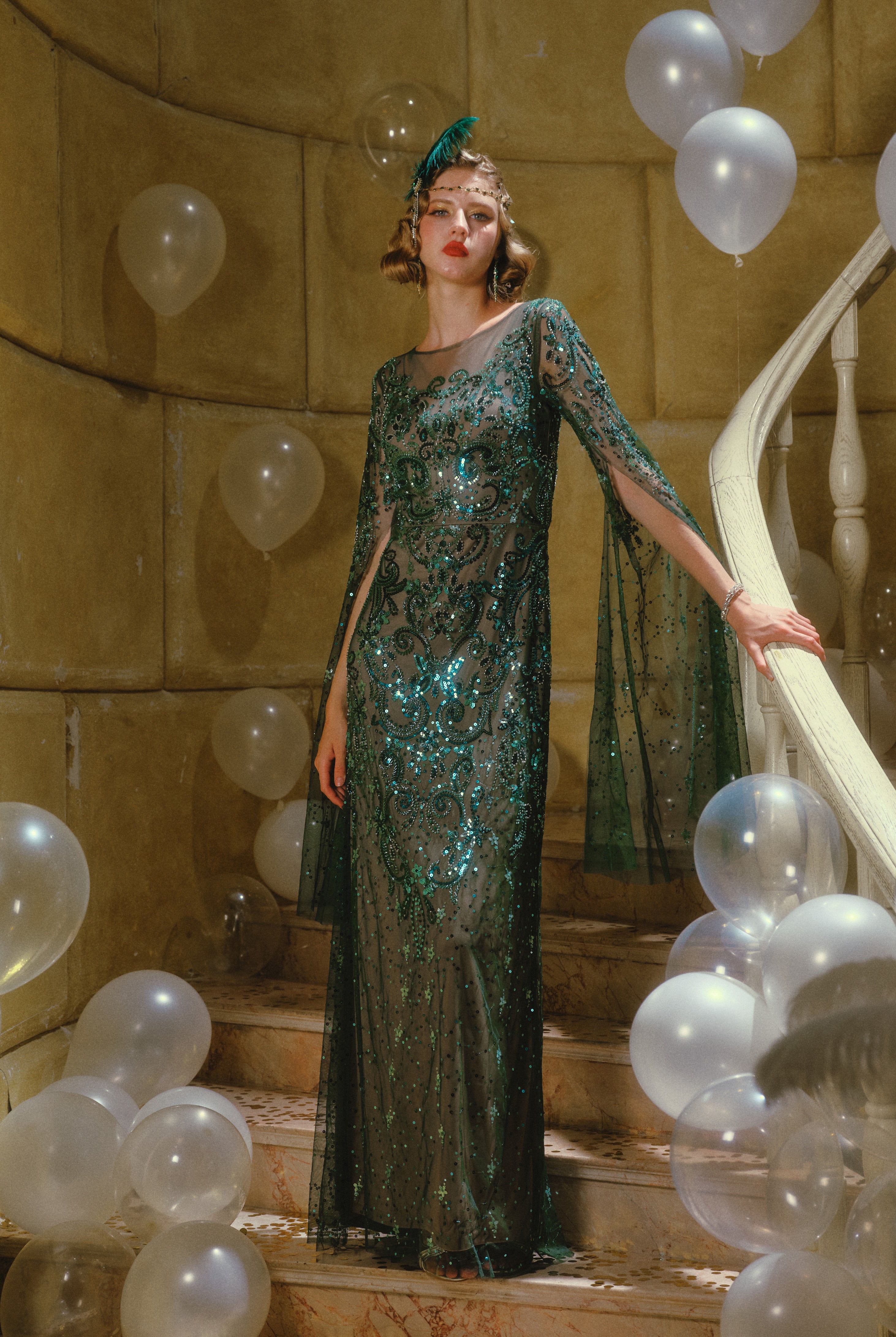
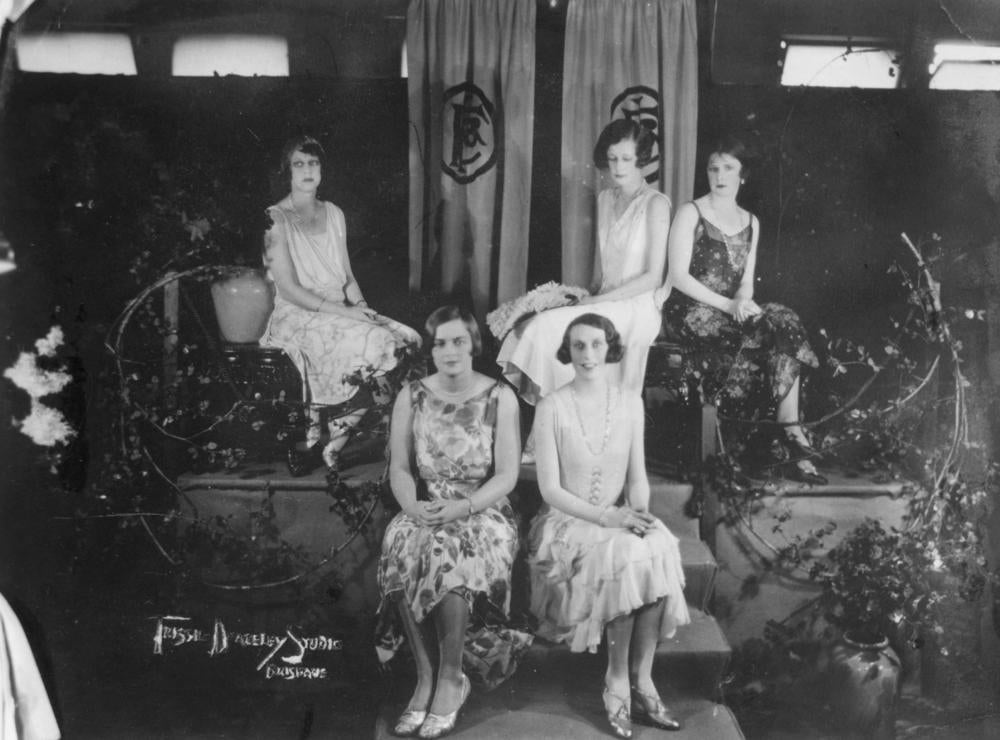
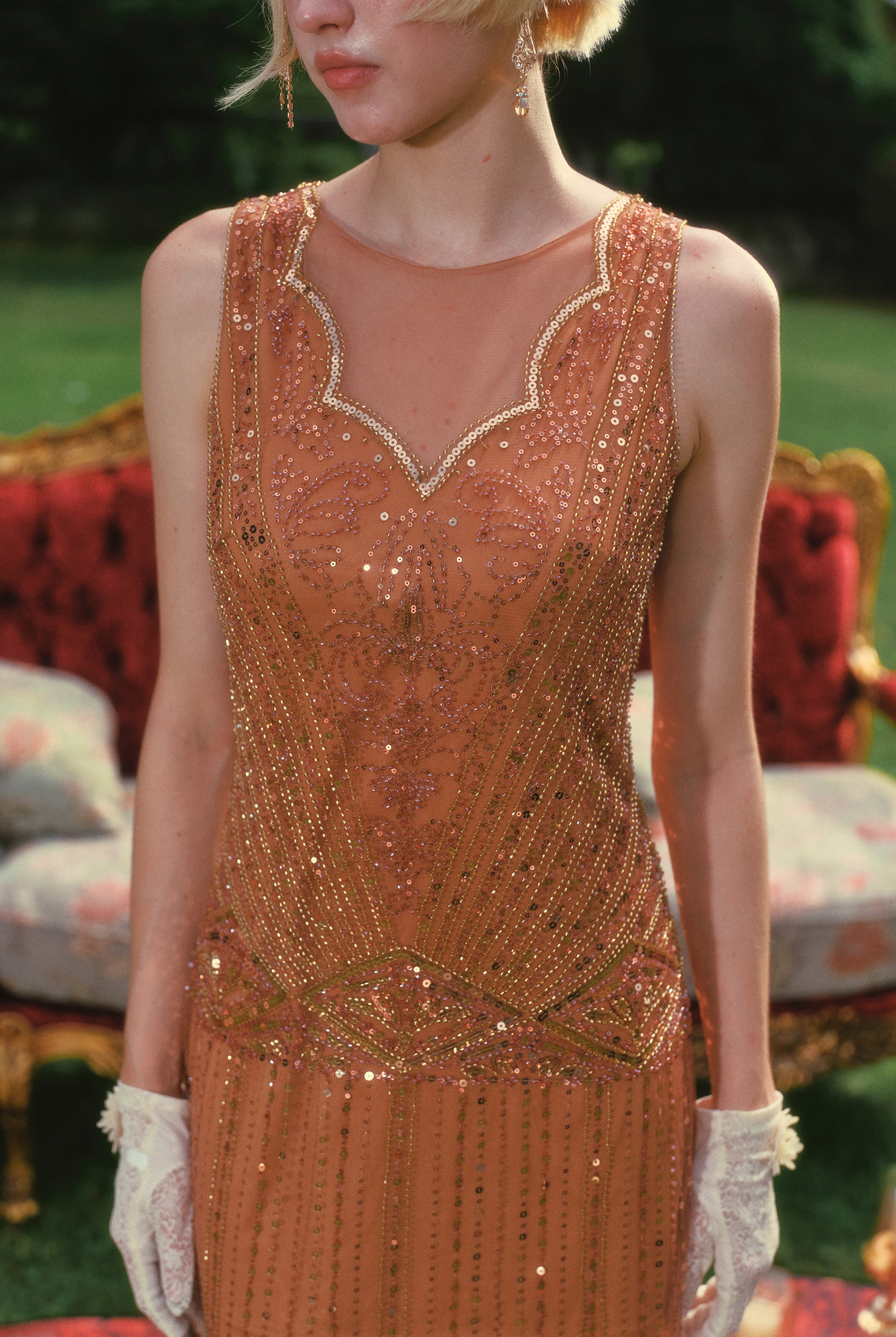
Ultimately, to deliberately knot a faux pearl necklace and toss it over a drop-waist dress was a bold declaration of freedom. Women were stepping into the workforce, claiming their agency, and moving freely through a fast-paced world. The relentlessly swinging pearl chain became the visual rhythm of this newfound liberation—playful, fearless, and deeply empowering.



.jpg)
.jpg)
SHARE ARTICLE


